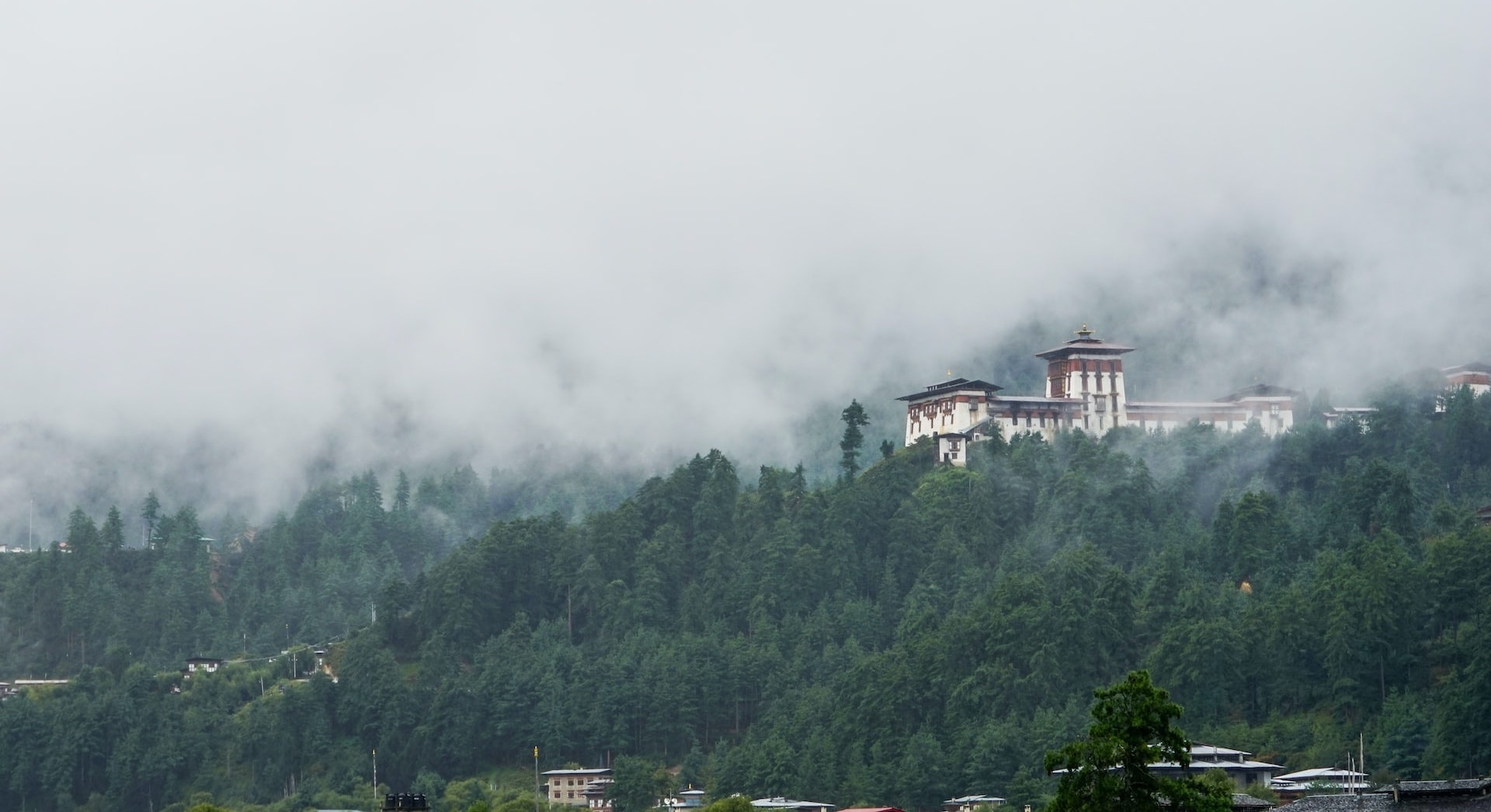
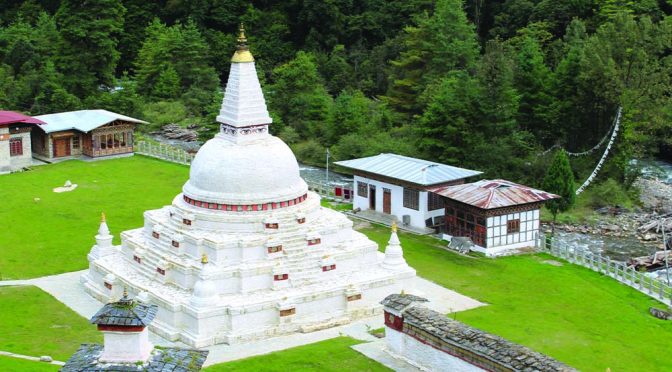
Monlam Rabzang: The Extraordinary Life of a Bhutanese Buddhist Master, Artist and Spiritual Luminary


Monlam Rabzang: A Remarkable Life of Spiritual Wisdom, Artistic Excellence and Buddhist Devotion
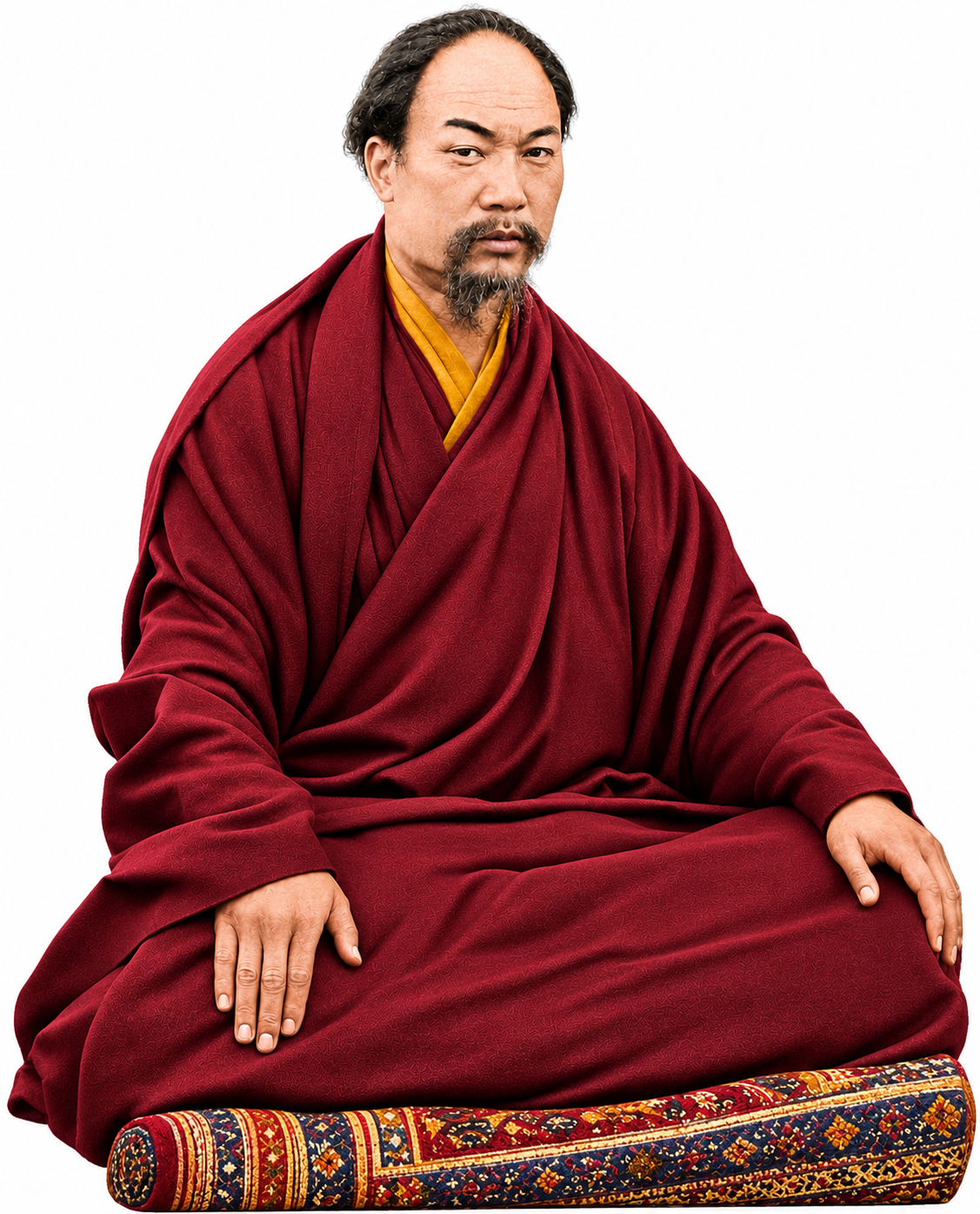
Portrait of Monlam Rabzang (1878–1945), a Bhutanese Buddhist master, spiritual practitioner and traditional religious artist.
Monlam Rabzang (1878–1945), a distinguished Bhutanese Buddhist master renowned for his spiritual knowledge, meditation practice and contributions to traditional Buddhist art.

In the secluded valleys of Bhutan, where ancient monasteries rise above forested hillsides and the sound of prayer chants travels across mountain landscapes, generations of Buddhist masters have dedicated their lives to preserving the spiritual and artistic heritage of the Himalayas. Among these remarkable figures was Monlam Rabzang (smon lam rab bzang, 1878–1945), a distinguished Bhutanese Buddhist practitioner whose life brought together extraordinary spiritual discipline, profound religious scholarship, and exceptional artistic talent.

Born in a small village in central Bhutan during the late nineteenth century, Monlam Rabzang grew into a highly respected religious master whose influence extended across several regions of the country and into Tibet. He was not only a devoted practitioner of Vajrayana Buddhism but also an accomplished painter, sculptor, and master of traditional mandala arts. His contributions helped strengthen Bhutan’s religious traditions, particularly the Drukpa Kagyu lineage, while leaving behind an artistic legacy that continues to form part of the country’s cultural heritage.

His remarkable journey took him from the monasteries of Trongsa and Wangdue Phodrang to the religious centres of Punakha, the remote Buddhist communities of Kham in Tibet, and eventually the eastern valleys of Bhutan. Along the way, he studied under accomplished spiritual masters, received numerous initiations and teachings, and became known for his exceptional understanding of Buddhist philosophy and meditation practices.

The story of Monlam Rabzang offers a fascinating window into Bhutan’s religious history, monastic education, traditional craftsmanship, and the spiritual connections that have shaped Himalayan Buddhist culture for centuries.

For travellers interested in exploring Bhutan beyond its famous landscapes and iconic monasteries, the life of Monlam Rabzang reveals another dimension of the kingdom: its living spiritual traditions and the extraordinary individuals who helped preserve them.

Early Life in Tsangkha Village: The Beginning of a Spiritual Journey

Monlam Rabzang was born in 1878 in Tsangkha (mtshang kha), a village in Tangsibi (stang si sbi), within the beautiful Mangde (mang sde) Valley of central Bhutan.

Surrounded by the rugged mountains, forested slopes, and traditional settlements characteristic of this part of the country, the Mangde Valley has long been connected with Bhutan’s religious and cultural history. Its landscape reflects the close relationship between nature, Buddhist spirituality, and everyday village life that remains central to Bhutanese identity.

At birth, he was given the name Mipam Shecha Dorje (mi pham shes bya rdo rje). However, his childhood would soon take an extraordinary turn.

He was recognised as the reincarnation of Lobpon Tsultrim Tarchin (slob dpon tshul khrims mthar phyin, dates unknown), a relatively little-known but highly accomplished mendicant who had lived at Dozhong Gonpa (rdo gzhong dgon pa), a monastery situated above Trongsa Dzong.

This recognition connected the young boy with an established spiritual tradition and placed him within a lineage of religious practice associated with the monastic communities of central Bhutan.

The recognition of reincarnate spiritual masters has deep roots in Tibetan Buddhist traditions, where the continuity of religious knowledge and spiritual guidance is often understood through successive incarnations. Such recognitions have played an important role in preserving teachings, maintaining monastic lineages, and strengthening relationships between Buddhist communities.

For the young Mipam Shecha Dorje, this early recognition marked the beginning of a life devoted to Buddhist learning, artistic practice, and spiritual discipline.

Monastic Education in Trongsa and Wangdue Phodrang

Monlam Rabzang’s formal religious education began when he entered the monastic order of Trongsa Rabde (krong gsar rab sde).

Trongsa occupies a particularly important position in Bhutanese history. Its imposing dzong, dramatically situated above the Mangde Chhu gorge, historically served as a strategic centre connecting eastern and western Bhutan. The region’s monasteries and religious institutions also played a significant role in the development of Buddhist scholarship and practice.

Within this monastic environment, Monlam Rabzang began his journey into the complex world of Buddhist doctrine, ritual, and religious arts.

His education subsequently took him to Wangdue Podrang Rabde (dbang ‘dus pho bran rab sde), where he expanded his understanding of Buddhist religious traditions.

There, he studied ritual dance, religious doctrine, and ceremonial practices. These disciplines formed an important part of Bhutanese monastic education, where intellectual understanding was closely connected with practical ritual performance.

Traditional Buddhist dances, known as cham, are more than artistic presentations. They are sacred performances that communicate Buddhist teachings through symbolic movements, costumes, masks, and ritual gestures. Their preservation requires extensive training, knowledge of religious texts, and a deep understanding of the spiritual significance behind each performance.

Monlam Rabzang’s studies in these areas provided him with a strong foundation in Bhutan’s monastic traditions.

His education continued in Talo, in Punakha District, where he had the opportunity to receive teachings from the Fifth Zhabdrung Tuktrul, Jigme Chogyel (zhabs drung thugs sprul ‘jigs med chos rgyal, 1862–1904).

The Zhabdrung lineage occupies a central position in Bhutan’s religious and political history. The original Zhabdrung Ngawang Namgyel unified Bhutan in the seventeenth century and established the foundations of the country’s dual system of religious and temporal governance.

Receiving teachings from the Fifth Zhabdrung Tuktrul would have represented an important stage in Monlam Rabzang’s religious development.

During this period, he also received numerous initiations, empowerments, and instructions on different Buddhist texts from several accomplished masters and Je Khenpos (rje mkhan po) associated with the Central Monastic Body.

These teachings strengthened his knowledge of Buddhist philosophy, ritual practice, and the spiritual disciplines of the Himalayan Buddhist traditions.

Rather than following a single narrow field of study, Monlam Rabzang developed a broad understanding of Buddhist learning that encompassed religious scholarship, sacred performance, meditation, and artistic expression.

Becoming a Master of Traditional Bhutanese Art

After completing important stages of his religious education, Monlam Rabzang returned to Trongsa.

His studies did not end with Buddhist philosophy and ritual. He increasingly devoted himself to the traditional visual arts, developing exceptional skills in drawing, painting, and sculpting religious figures in clay.

In Bhutan, religious art has always been closely connected with Buddhist teachings. The images found inside monasteries and temples are not simply decorative objects. They represent enlightened beings, spiritual teachers, protective deities, and symbolic aspects of Buddhist cosmology.

The creation of these sacred images requires much more than artistic imagination. Traditional painters and sculptors must understand religious iconography, proportions, colours, symbolism, and the precise visual requirements prescribed by Buddhist traditions.

A Buddhist image must communicate the correct spiritual meaning, and even seemingly small details can carry religious significance.

Monlam Rabzang developed an outstanding reputation for his mastery of these traditional disciplines.

His expertise in drawing, painting, and clay sculpture eventually earned him an important appointment within the monastery. He was designated Kyilkhor Lobpon (dkyil ‘khor slob dpon), or Master of Mandala Arts.

The title reflects his responsibility and recognised authority in the creation and understanding of sacred mandalas.

The Sacred Significance of Mandala Art

Mandalas occupy an important position in Vajrayana Buddhism. They are sacred representations of enlightened realms and spiritual universes, often constructed through carefully arranged geometric patterns, symbolic figures, and elaborate decorative elements.

In Buddhist practice, mandalas serve as visual supports for meditation, initiation, and the understanding of complex spiritual teachings.

Their creation requires discipline, precision, and extensive knowledge of Buddhist symbolism.

For a practitioner to become a recognised master of mandala arts, artistic ability alone is insufficient. It requires an understanding of the religious texts and ritual traditions that give these sacred designs their meaning.

Monlam Rabzang’s appointment as Kyilkhor Lobpon therefore represented recognition of both his artistic accomplishments and his religious understanding.

His artistic legacy extended across numerous religious and royal establishments.

Among the important locations associated with his work were the palaces of Bhutan’s first hereditary king, Orgyen Wangchuck (o rgyan dbang phyug, 1862–1926, reign 1907–1926).

His paintings and sculptures were also preserved at monasteries and temples throughout the Mangde and Bumthang (bum thang) regions.

These contributions demonstrate the important relationship between religious masters, royal patronage, and traditional Bhutanese craftsmanship during a formative period in the country’s modern history.

Bhutanese monasteries and temples remain among the most important places to appreciate this artistic heritage. Their wall paintings, sacred statues, carved wooden structures, and elaborate religious decorations reflect centuries of accumulated knowledge and devotion.

For travellers exploring the country’s cultural heartland, visiting these religious sites provides an opportunity to understand the artistic traditions that masters such as Monlam Rabzang helped sustain.

A Journey to Tibet: Learning from Tokden Shākya Shrī

Although Monlam Rabzang had already established himself as an accomplished religious practitioner and artist in Bhutan, his spiritual journey continued beyond the country’s borders.

He eventually travelled to the Kham region of Tibet, a historically important centre of Tibetan Buddhist scholarship and meditation practice.

There, he received teachings from the highly accomplished mendicant and spiritual master Tokden Shākya Shrī (rtogs ldan shAkya shrI, 1853–1919).

Tokden Shākya Shrī was renowned for his spiritual accomplishments and extensive knowledge of Buddhist meditation traditions. His teachings attracted practitioners seeking deeper understanding of the contemplative disciplines associated with Tibetan Buddhism.

For Monlam Rabzang, studying under such a master represented an important opportunity to deepen his religious knowledge and refine his meditation practice.

His aptitude became evident during the course of his studies.

He was soon appointed as a master of oral instructions, a responsibility that involved answering questions and helping dispel the doubts of other disciples and students while they received teachings from Shākya Shrī.

This role was particularly significant within traditional Buddhist education.

Oral instruction has historically been central to the transmission of Vajrayana teachings. Students often receive explanations directly from their teachers, with complex philosophical and practical instructions clarified through discussion and personal guidance.

A practitioner entrusted with answering questions must possess more than familiarity with religious texts. The responsibility requires a clear understanding of the teachings and the ability to communicate their meaning accurately.

Monlam Rabzang’s appointment reflected the confidence that his teacher placed in his intellectual ability and spiritual understanding.

Mastery of Kagyu Teachings and the Naro Chodruk Tradition

During his time in Kham, Monlam Rabzang also received extensive instruction in the sacred texts and meditation practices of the Kagyu Buddhist traditions.

The Kagyu school is one of the major traditions of Tibetan Buddhism and is particularly associated with the transmission of meditation instructions through successive generations of teachers and
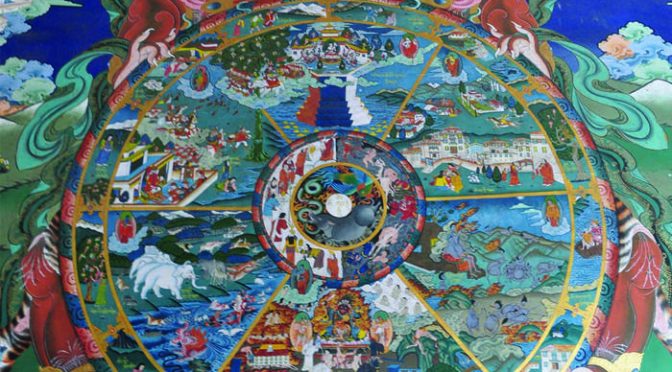
The Buddhist Wheel of Life Understanding Karma, Rebirth and the Path to Enlightenment

Bhutanese Culture · Buddhism · Spiritual Heritage

Discover the profound meaning of the Buddhist Wheel of Life, its twelve links of dependent origination, the six realms of existence and the timeless wisdom of Buddhist philosophy in the Himalayan kingdom of Bhutan.

Scroll to explore ↓


Introduction: The Wheel That Explains the Journey of Life

What if a single painting could explain the entire human experience — from birth and happiness to suffering, attachment, ageing and death?

In Buddhist philosophy, one of the most powerful visual teachings is the Wheel of Life, known in Sanskrit as Bhavachakra and in Tibetan as སྲིད་པའི་འཁོར་ལོ་ (Sidpai Khorlo), meaning the Wheel of Existence or Wheel of Becoming.

Found on the walls of Buddhist monasteries and temples throughout the Himalayan region, this remarkable illustration presents a profound understanding of existence. Its intricate circles, symbolic animals, human figures, heavenly beings and scenes of suffering reveal the Buddhist teachings on karma, rebirth and liberation.

In Bhutan, where Vajrayana Buddhism is deeply woven into everyday life, the Wheel of Life offers an especially meaningful way to explore the relationship between spiritual wisdom, human behaviour and the search for inner peace.

For travellers visiting Bhutan, understanding the Bhavachakra opens a fascinating window into the country’s spiritual heritage. It transforms a visit to a monastery or temple from simple sightseeing into an opportunity to reflect on the deeper meaning of Buddhist culture.

1. What Is the Buddhist Wheel of Life?

The Wheel of Life is a traditional Buddhist illustration representing samsara — the continuous cycle of birth, death and rebirth. It explains how living beings remain caught in this cycle through ignorance, attachment, aversion and the consequences of their actions.

The teaching is closely connected with the Buddha’s Four Noble Truths:

  1. The Truth of Suffering (Dukkha): Ordinary existence involves suffering, dissatisfaction and impermanence.
  2. The Truth of the Origin of Suffering (Samudaya): Suffering arises through craving, attachment and ignorance.
  3. The Truth of the Cessation of Suffering (Nirodha): Suffering can cease when its underlying causes are overcome.
  4. The Truth of the Path (Magga): The Noble Eightfold Path provides a way towards liberation.

These four teachings form the foundation of Buddhist philosophy. The Wheel of Life brings them together in a single visual composition, illustrating how actions and mental habits influence experiences and how beings continue moving through different states of existence.

Its message is not simply that life contains suffering. Rather, it teaches that suffering has causes, that these causes can be understood and that liberation is possible.

2. Yama: The Lord of Death Holding the Wheel

One of the most striking features of the Bhavachakra is the enormous figure holding the entire wheel in its claws. This figure is generally identified as Yama, the Lord of Death.

His fierce appearance represents the impermanent nature of worldly existence. Everything within the wheel — wealth, beauty, power, happiness, physical life and even heavenly pleasures — is subject to change. No being can remain permanently within any realm of samsara.

Yama therefore reminds viewers that worldly existence is temporary. Even the most fortunate beings eventually experience change, ageing and death. The image is not intended merely to frighten people — its purpose is to awaken awareness.

By recognising impermanence, people may begin to question excessive attachment to possessions, status, desires and temporary pleasures. The Wheel of Life therefore encourages a more thoughtful way of living, grounded in compassion, wisdom and awareness.

3. The Three Poisons: The Centre of the Wheel

At the very centre of the Bhavachakra are three animals representing the fundamental mental afflictions known as the Three Poisons — the roots of suffering in Buddhist philosophy.

🐖 The Pig – Ignorance (Moha)

The pig represents ignorance, particularly the failure to understand the true nature of existence. Ignorance causes people to misunderstand impermanence, cling to temporary experiences and mistake their perceptions for permanent reality. It is considered a fundamental source of suffering because it prevents beings from seeing things as they truly are.

🐍 The Snake – Anger, Hatred and Aversion (Dvesha)

The snake represents hatred, hostility, anger and aversion. These emotions create conflict between individuals and communities and can lead to harmful speech, harmful actions and negative consequences. Buddhist teachings encourage the development of patience, forgiveness and loving-kindness as ways of overcoming these tendencies.

🐓 The Rooster – Desire, Attachment and Greed (Raga)

The rooster symbolises craving, desire and attachment. Human beings often seek continuous satisfaction through possessions, recognition, relationships and sensory pleasures. However, because everything is impermanent, attachment can lead to disappointment and dissatisfaction. The Buddhist path encourages understanding desire rather than allowing it to control one’s thoughts and actions.

Together, these three animals illustrate how ignorance, hatred and craving reinforce one another, keeping beings within samsara.

4. The White Path and the Dark Path: Two Directions of Karma

Surrounding the central animals is another important section of the Wheel of Life, representing two paths influenced by the actions of living beings.

⚪ The White Path – The Path of Positive Karma

The white path symbolises wholesome actions and positive karma. It is associated with generosity, kindness, compassion, ethical conduct and wisdom. In traditional illustrations, peaceful figures or spiritual guides help beings move towards more favourable conditions of existence, representing the positive consequences of virtuous actions.

⚫ The Dark Path – The Path of Negative Karma

The dark path represents harmful actions arising from ignorance, hatred and attachment. Traditional paintings may show frightening figures or demons pulling beings towards difficult states of existence. It symbolises the consequences of harmful behaviour, including violence, dishonesty, greed and cruelty.

The distinction between the two paths illustrates an important Buddhist teaching: actions have consequences. Karma is not simply a system of reward and punishment imposed by an external authority — it concerns intentional actions and the effects they create. The Wheel reminds us that the quality of our thoughts, speech and behaviour matters.

6. The Six Realms of Existence in the Buddhist Wheel of Life

The large inner section of the Bhavachakra is divided into six realms describing different forms of existence within samsara. In Buddhist traditions, they are understood as realms of rebirth and are also interpreted as symbolic descriptions of different mental and emotional conditions. Each realm has its own particular suffering and challenges.

1. The Realm of the Gods (Devas)

Associated with extraordinary pleasure, comfort, beauty and long life, the gods enjoy favourable conditions resulting from positive karma. However, their happiness is temporary — they eventually experience ageing, death and the loss of their privileged existence. Their greatest spiritual danger is complacency: because their lives are filled with pleasure, they may fail to recognise impermanence and neglect the search for liberation. In traditional illustrations, the Buddha appears holding a lute, reminding the gods that even heavenly pleasures cannot provide permanent freedom.

2. The Realm of the Asuras – The Jealous Titans

Powerful beings often depicted fighting against the gods, the Asuras possess great strength and resources but remain dissatisfied because they constantly compare themselves with others. Their suffering arises from envy, competitiveness and endless conflict. The Buddha appears with a sword, symbolising the cutting through of ignorance and destructive emotions. The realm teaches that power and success cannot guarantee happiness when the mind is controlled by jealousy.

3. The Human Realm

Generally regarded as especially precious in Buddhist philosophy, human existence includes suffering but also offers valuable opportunities for learning, reflection, ethical action and spiritual development. Unlike beings in realms dominated by extreme pleasure or suffering, human beings may have sufficient balance and awareness to recognise the nature of existence — a particularly favourable opportunity to practise the Dharma and work towards enlightenment. The Buddha is traditionally shown holding an alms bowl in this realm.

4. The Animal Realm

Representing beings who experience suffering through vulnerability, fear, exploitation and limited freedom, the animal realm also symbolises ignorance and instinctive behaviour. The Buddha appears holding a book, representing knowledge, learning and the possibility of overcoming ignorance. This realm reminds us of the importance of compassion towards all living creatures.

5. The Realm of Hungry Ghosts (Pretas)

Commonly illustrated with enormous stomachs and narrow throats, these beings experience intense hunger and thirst but are unable to satisfy their desires — a powerful symbol of insatiable craving and attachment. A person who continually seeks wealth, recognition, possessions or pleasure without ever feeling satisfied may be compared metaphorically to a hungry ghost. The Buddha appears with a vessel or treasure associated with spiritual nourishment and the fulfilment that comes through wisdom.

6. The Hell Realms

The lowest section of the Wheel represents conditions of intense suffering as the consequences of harmful karma — including hot and cold hells. Unlike the concept of eternal punishment found in some other religious traditions, Buddhist teachings describe these conditions as temporary, though their duration may be extremely long. The Buddha is sometimes depicted carrying a flame, representing wisdom, illumination and the possibility of liberation. The central lesson is that even the most difficult conditions are impermanent.

7. The Buddha Appears in All Six Realms

An especially meaningful detail in traditional Wheel of Life paintings is the appearance of the Buddha in each of the six realms — sometimes carrying symbolic objects such as a lute, sword, alms bowl, book, treasure vessel or flame.

These appearances communicate an important teaching: the possibility of awakening is not limited to one particular class of beings. Even those experiencing extreme pleasure, jealousy, ignorance, hunger or suffering have the potential to move towards spiritual liberation.

The Buddha’s presence in every realm represents compassion and the availability of the Dharma. It reminds us that wisdom can illuminate even the most difficult circumstances — a teaching central to Mahayana and Vajrayana Buddhist philosophy, where compassion for all sentient beings lies at the heart of the spiritual path.

8. The Meaning of Karma in the Wheel of Life

Karma is one of the most widely recognised concepts in Buddhism — and one of the most misunderstood. Karma comes from a Sanskrit word meaning action or deed, and in Buddhist philosophy it particularly concerns intentional actions performed through body, speech and mind.

Every intentional action creates consequences and influences future experiences. Positive actions such as generosity, honesty, compassion and patience create wholesome karmic conditions, while negative actions such as cruelty, dishonesty, hatred and greed create unwholesome conditions. The Wheel of Life illustrates how these actions influence the continuation of samsara.

Importantly, karma should not be understood as a simple system in which every unfortunate event is proof of someone’s past wrongdoing. Buddhist teachings discuss complex causes and conditions, and compassion should never be replaced by judgement. The purpose of understanding karma is to encourage responsibility, ethical behaviour and awareness. It reminds us that our choices matter.

9. The Way Beyond the Wheel: Nirvana and Liberation

Perhaps the most important message of the Wheel of Life is that there is a way beyond it. The entire wheel represents samsara — conditioned existence characterised by impermanence, dissatisfaction and repeated rebirth.

The Buddha teaches that liberation is possible through overcoming ignorance, craving and attachment. This liberation is known as Nirvana (Nibbana) — not another heavenly realm within the wheel, but the cessation of the causes of suffering and freedom from the cycle of samsara.

The Buddhist path towards liberation includes the cultivation of wisdom, ethical conduct and mental discipline. The Noble Eightfold Path provides the framework:

  1. Right Understanding
  2. Right Intention
  3. Right Speech
  4. Right Action
  5. Right Livelihood
  6. Right Effort
  7. Right Mindfulness
  8. Right Concentration

Through these practices, practitioners gradually develop awareness, compassion and insight into the true nature of existence. The Wheel of Life is therefore not simply a painting about suffering and death — it is also a visual reminder that freedom is possible.

10. The Wheel of Life and Bhutan’s Living Buddhist Heritage

Bhutan offers a remarkable opportunity to explore the spiritual ideas represented in the Wheel of Life. Known internationally for its Himalayan landscapes, monasteries, dzongs and Buddhist traditions, Bhutan maintains a living connection with Vajrayana Buddhism.

Buddhism is not confined to religious institutions. It can be experienced in the everyday rhythm of Bhutanese life: prayer flags flutter across mountain passes, prayer wheels turn beside temple entrances, monks study sacred texts and families visit monasteries to offer prayers. The teachings of compassion, impermanence, karma and wisdom remain important elements of Bhutanese cultural identity.

Visit Ancient Monasteries and Dzongs

Bhutan’s monasteries and dzongs preserve centuries of religious art, architecture and Buddhist teachings. Visitors can admire intricate murals, sacred statues, traditional paintings and elaborate woodwork. The Wheel of Life is particularly interesting when encountered as part of a wider collection of Buddhist artwork — a knowledgeable local guide can help explain the symbolism and historical significance of the paintings.

Discover the Spiritual Heritage of Thimphu

  • Tashichho Dzong: An important religious and administrative centre with remarkable Bhutanese architecture.
  • Buddha Dordenma: A magnificent Buddha statue overlooking the Thimphu Valley.
  • National Memorial Chorten: A significant spiritual landmark where local residents gather for prayer and circumambulation.
  • Pangri Zampa Monastery: A historic monastery associated with Bhutanese Buddhist astrology.

Explore Punakha Dzong

Located at the meeting point of the Pho Chhu and Mo Chhu rivers, Punakha Dzong is among Bhutan’s most beautiful and historically significant fortresses. Its architecture, sacred courtyards and religious atmosphere provide an unforgettable introduction to Bhutanese Buddhist heritage — especially beautiful in spring, when flowering jacaranda trees add colour to its surroundings.

Experience Paro’s Spiritual Landscape

Paro Valley is home to some of Bhutan’s most treasured religious landmarks — most famously Paro Taktsang, popularly known as Tiger’s Nest Monastery. Perched dramatically on a cliff overlooking the valley, this sacred monastery is closely associated with Guru Padmasambhava, who is revered for bringing Vajrayana Buddhism to Bhutan. The journey to Tiger’s Nest is not simply a scenic hike — for many Bhutanese people and Buddhist visitors, it is also a spiritual pilgrimage.

11. Why the Wheel of Life Is Relevant to Modern Travellers

Although the Bhavachakra originated in ancient Buddhist philosophy, its lessons remain remarkably relevant today. Modern life is filled with distractions, competition, expectations and the constant pursuit of satisfaction. People often become attached to material possessions, professional success, social recognition and temporary pleasures. The Wheel of Life encourages us to pause and examine these patterns.

Understanding Impermanence. Everything changes. Recognising this helps us appreciate meaningful experiences without becoming excessively attached to them.

Practising Compassion. All living beings experience difficulties. Compassion encourages kindness rather than judgement.

Taking Responsibility. Our actions, words and intentions influence our relationships and surroundings.

Developing Mindfulness. Understanding our thoughts and emotions helps us respond more thoughtfully to life’s challenges.

Finding Inner Balance. Happiness is not simply about acquiring more possessions or achieving greater recognition. Wisdom and contentment are equally important.

For travellers, these teachings can make a journey through Bhutan more meaningful. The country’s quiet monasteries, peaceful valleys and traditional communities offer opportunities to slow down, reflect and appreciate a different rhythm of life.

Experience Bhutan’s Spiritual Heritage

At Ling Travel Bhutan, we believe discovering Bhutan means understanding the stories, beliefs, traditions and spiritual values that shape the Kingdom. Let our local experts design your personalised journey through monasteries, dzongs and sacred Himalayan landscapes.

Plan Your Bhutan Journey Contact Us

12. Our Signature Experiences

  • Buddhist Cultural ToursDiscover monasteries, temples, dzongs and sacred landmarks across the Kingdom.
  • Spiritual & Pilgrimage ToursExplore important Buddhist destinations and traditional places of worship.
  • Meditation & Wellness ExperiencesEnjoy peaceful Himalayan surroundings and opportunities for mindful exploration.
  • Festival ToursExperience Bhutan’s vibrant religious festivals, traditional masked dances and cultural celebrations.
  • Trekking & AdventureDiscover Himalayan landscapes, mountain trails and remote communities.
  • Authentic Cultural ExperiencesLearn about Bhutanese traditions, local hospitality, architecture and everyday life.

Whether you are interested in Buddhist philosophy, spiritual exploration, cultural photography or a peaceful Himalayan holiday, our team can help design an itinerary that matches your interests. We work with experienced local guides and provide personalised travel planning, accommodation arrangements and private transportation to make your journey comfortable and enriching.

Conclusion: Understanding the Wheel, Understanding Life

The Buddhist Wheel of Life is one of the most profound visual representations of Buddhist philosophy. Through its three poisons, two karmic paths, twelve links of dependent origination and six realms of existence, it explains how ignorance, desire and attachment contribute to the continuation of suffering.

Yet its message is ultimately one of hope. The wheel reminds us that everything within samsara is impermanent and that liberation is possible through wisdom, ethical conduct, compassion and mindfulness.

For visitors to Bhutan, discovering the Wheel of Life offers a meaningful introduction to the spiritual foundations of Himalayan Buddhist culture. It encourages us to look beyond the beauty of temples and monasteries and reflect on the deeper teachings they preserve.

“Come to Bhutan not only to see the Himalayas, but also to discover the wisdom, spirituality and living traditions that make this kingdom extraordinary.”

Discover the Land of Happiness with Ling Travel Bhutan.


About Ling Travel Bhutan

Ling Travel Bhutan is a Bhutan-based travel company specialising in authentic and personalised travel experiences across the Kingdom of Bhutan. We organise cultural tours, spiritual journeys, trekking adventures, festival holidays, wellness retreats, wildlife experiences and customised Himalayan itineraries.

Our mission is to share the true spirit of Bhutan through professional planning, local expertise and genuine Bhutanese hospitality.

Website: https://lingtravelbhutan.com/
Destination: Bhutan, Himalayas
Specialities: Cultural Tours | Spiritual Pilgrimage | Trekking | Adventure | Festivals | Wel


Bhutan Travel Guide 2026–2027: Everything You Need to Plan Your Journey

Bhutan Travel Guide 2026–2027: Everything You Need to Plan Your Journey

Discover the Land of the Thunder Dragon with Ling Travel Bhutan

Bhutan is more than a destination. It is a Himalayan kingdom where ancient monasteries overlook deep valleys, colourful prayer flags flutter in the mountain breeze, and centuries-old traditions remain part of everyday life.

Known for its philosophy of Gross National Happiness, Bhutan offers travellers an opportunity to experience a different rhythm of life. From the iconic Tiger’s Nest Monastery in Paro to the magnificent Punakha Dzong, from the peaceful Phobjikha Valley to the spiritual heartland of Bumthang, every region has its own character and stories.

Whether you are planning a cultural holiday, a Buddhist pilgrimage, a festival journey, a Himalayan trek or a relaxing luxury escape, this guide will help you prepare for Bhutan in 2026 and 2027.

As a Bhutan-based travel agency and Destination Management Company, Ling Travel Bhutan helps travellers organise meaningful journeys with local knowledge, personalised itineraries and reliable travel arrangements.


1. Bhutan at a Glance

  • Capital: Thimphu
  • Location: Eastern Himalayas, between India and China
  • Official language: Dzongkha
  • Currency: Bhutanese Ngultrum (Nu.)
  • Time zone: Bhutan Time (UTC+6)
  • International airport: Paro International Airport
  • National philosophy: Gross National Happiness
  • Best-known attraction: Paro Taktsang, commonly known as Tiger’s Nest
  • Main travel seasons: Spring and autumn

Bhutan is a mountainous country with landscapes ranging from subtropical forests to high Himalayan terrain. Travelling between valleys can take longer than expected because roads wind through mountain passes and changing elevations.

Allow enough time to enjoy the journey rather than treating every day as a race between destinations.

2. Visa and Entry Requirements

Most international visitors need a visa before travelling to Bhutan. Indian nationals require an entry permit instead.

The Bhutan Department of Immigration operates an online visa and permit system. Travellers can apply directly or request assistance from a local tourism service provider.

Standard tourist visa

  • One-time visa application fee: USD 40 per person
  • The application requires a valid passport, a recent digital photograph and travel information
  • The passport should remain valid for at least six months beyond the intended departure date
  • Correctly submitted applications are generally reviewed within five working days

Visitors from India

Indian nationals do not require a tourist visa but must obtain an entry permit. An Indian passport or voter identity card is generally required for adults. Different documentation rules apply to children.

Visitors from Bangladesh and the Maldives

Nationals of Bangladesh and the Maldives require a visa and have access to the applicable visa-on-arrival process.

Important: Entry requirements can change. Always confirm the latest requirements with Bhutan’s Department of Immigration before departure.

3. Understanding Bhutan’s Sustainable Development Fee (SDF)

The Sustainable Development Fee contributes to Bhutan’s conservation, cultural preservation and sustainable development priorities.

For international visitors, the published standard rate is:

Visitor category SDF per person per night
Adult USD 100
Child aged 6 to under 12 USD 50
Child under 6 Exempt

For Indian visitors:

Visitor category SDF per person per night
Adult Nu./INR 1,200
Child aged 6 to under 12 Nu./INR 600
Child under 6 Exempt

The current reduced SDF incentive for international visitors is scheduled through 31 August 2027. Government policy may change, so travellers should check the official rate applicable to their travel dates.

Example: SDF for two adults

For a couple staying in Bhutan for six nights:

  • Adult 1: USD 100 × 6 nights = USD 600
  • Adult 2: USD 100 × 6 nights = USD 600
  • Total SDF: USD 1,200
  • Visa fees: USD 40 × 2 = USD 80

Combined SDF and visa fees: USD 1,280.

This example excludes hotels, meals, transportation, guide services, flights and activities.

4. How Much Does a Bhutan Trip Cost in 2027?

The cost of visiting Bhutan depends on several factors, including nationality, length of stay, accommodation category, travel season, group size and preferred experiences.

A well-planned quotation should clearly separate government fees from travel services.

Accommodation estimates

The following are indicative planning ranges, not guaranteed hotel quotations.

Accommodation Approximate room rate per night
Standard hotels USD 50 to 100
Mid-range hotels and resorts USD 100 to 250
Luxury hotels and resorts USD 300 to 1,000+

Actual rates vary according to location, availability, season and room category.

Other expenses to consider

  • International and domestic flights
  • Accommodation
  • Meals and refreshments
  • Private vehicle and driver
  • Licensed local guide
  • Monument and activity entrance fees
  • Trekking arrangements
  • Visa and SDF payments
  • Travel insurance and personal expenses

Why choose a customised tour?

A customised itinerary allows you to choose the destinations, accommodation, pace and experiences that matter most to you.

Ling Travel Bhutan prepares personalised quotations according to your travel dates, group size, interests and budget.

5. Best Time to Visit Bhutan

Bhutan welcomes visitors throughout the year. Each season offers a different experience, and conditions vary considerably with altitude.

Spring: March to May

Spring is one of the most popular seasons. Valleys become colourful with blooming flowers, and the weather is generally pleasant for sightseeing and trekking.

Highlights include:

  • Paro Tshechu
  • Rhododendron forests
  • Punakha Valley
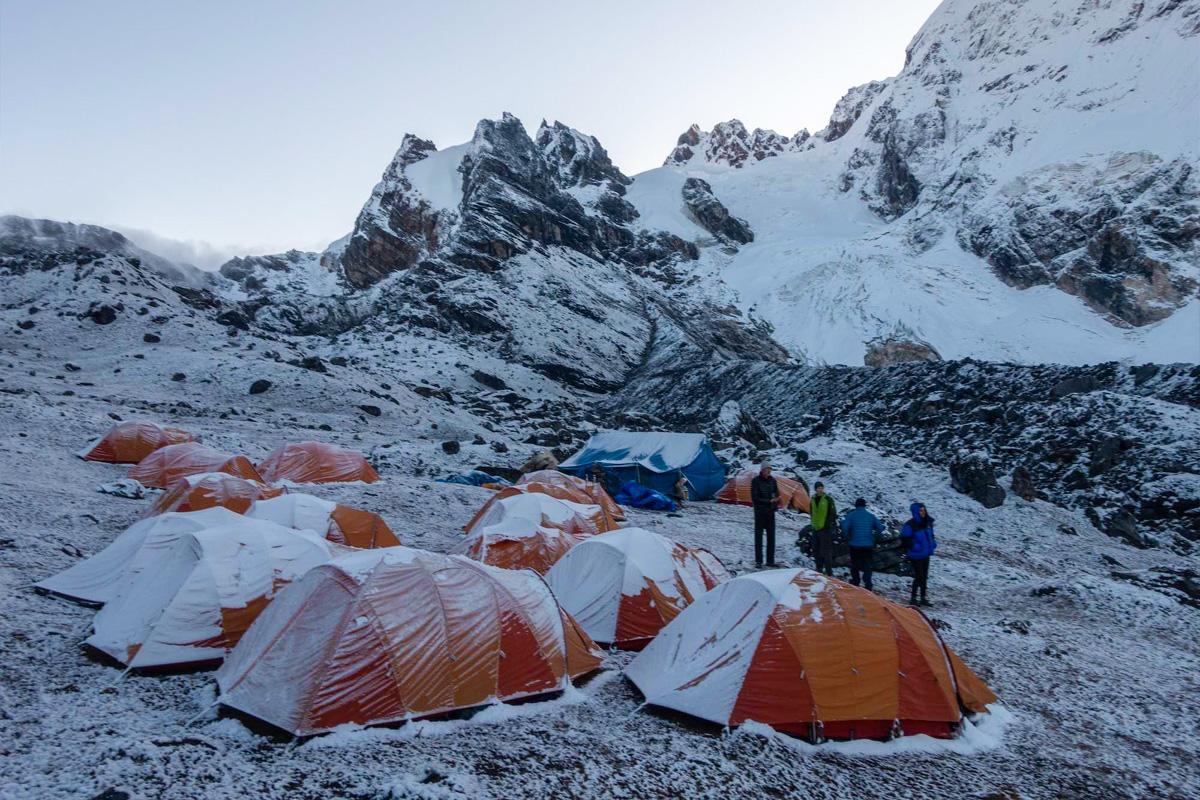
  • Jomolhari and Druk Path trekking
  • Beautiful mountain scenery

Summer: June to August

Summer brings green landscapes, flowing rivers and quieter travel routes. Rainfall can affect road conditions and outdoor activities.

Highlights include:

  • Lush countryside
  • Traditional village experiences
  • River valleys
  • Nimalung and Kurjey festivals
  • Photography of Bhutan’s green landscapes

Autumn: September to November

Autumn is another excellent time to visit, with many clear days and important cultural festivals.

Highlights include:

  • Thimphu Tshechu
  • Jambay Lhakhang Drup
  • Golden rice terraces
  • Phobjikha Valley
  • Arrival of black-necked cranes

Winter: December to February

Winter offers crisp skies, peaceful towns and beautiful mountain views. Higher regions can be very cold, so warm clothing is essential.

Highlights include:

  • Black-necked cranes in Phobjikha
  • Punakha festivals
  • Hot stone bath experiences
  • Quiet cultural sightseeing
  • Winter photography

Festival dates follow the Bhutanese lunar calendar and change each year. Confirm the dates before booking flights and accommodation.

6. Independent Travel and Local Guides

Visitors can arrange many aspects of their Bhutan holiday independently, including accommodation and visa applications. However, Bhutan has specific tourism regulations, and certain activities require accredited local tourism services.

A certified local guide is required for visitors travelling around the country under the applicable tourism rules. Guides are also required for entry into many dzongs and monuments, and trekking arrangements must follow the relevant regulations.

A local guide can help explain Bhutanese history, religious traditions, architecture and everyday customs in a way that is difficult to discover independently.

With Ling Travel Bhutan, visitors can arrange:

  • Visa and entry-permit assistance
  • Licensed local guide services
  • Private transportation
  • Hotel reservations
  • Festival and cultural tours
  • Trekking and adventure arrangements
  • Tailor-made itineraries

7. How to Reach Bhutan

By air

Paro International Airport is Bhutan’s main international airport. International flights are operated by Drukair and Bhutan Airlines.

Depending on flight schedules, visitors can connect through cities such as:

  • Delhi
  • Kolkata
  • Kathmandu
  • Bangkok
  • Singapore
  • Dhaka

Flight schedules and routes may change. Check current availability before confirming your itinerary.

By land

Bhutan shares its southern border with India. The main tourist entry points include:

Phuentsholing is a popular gateway for visitors travelling from West Bengal and other parts of India.

8. Getting Around Bhutan

Bhutan’s mountainous terrain makes road journeys an important part of the travel experience.

Most sightseeing journeys are organised using private vehicles with experienced drivers. Depending on the itinerary and group size, travellers may use an SUV, car, van or larger tourist vehicle.

Popular road routes include:

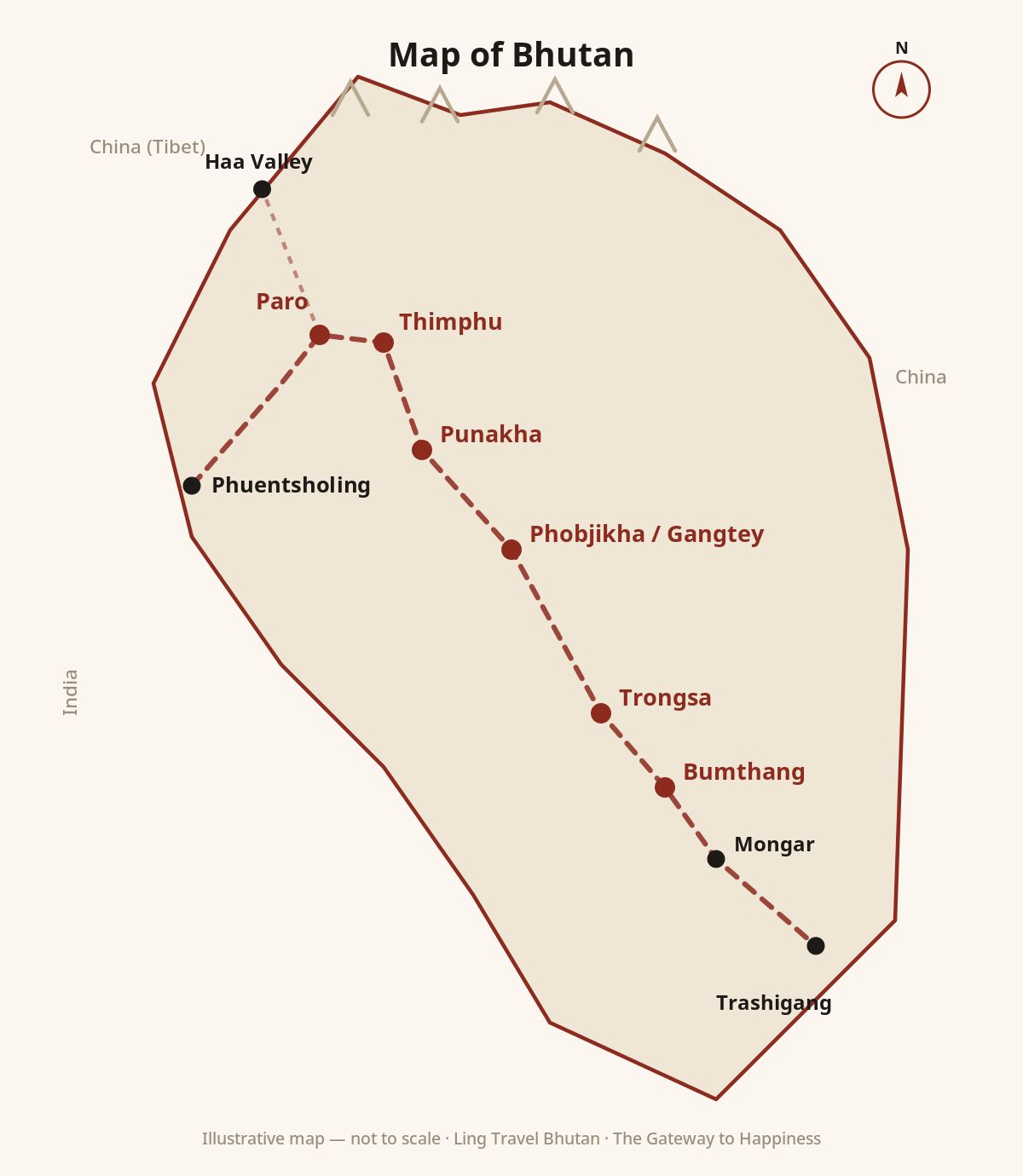
  • Paro to Thimphu
  • Thimphu to Punakha
  • Punakha to Phobjikha
  • Phobjikha to Trongsa
  • Trongsa to Bumthang

Allow sufficient time for mountain journeys, rest stops and sightseeing along the way.

9. Best Places to Visit in Bhutan

Paro

Paro is home to Bhutan’s international airport and some of its most celebrated historical landmarks.

Highlights include:

  • Tiger’s Nest Monastery (Paro Taktsang)
  • Rinpung Dzong
  • National Museum of Bhutan
  • Kyichu Lhakhang
  • Drukgyel Dzong

The hike to Tiger’s Nest is one of Bhutan’s most memorable experiences, offering spectacular views of the monastery built into a steep mountainside.

Thimphu

Thimphu is Bhutan’s capital and a centre of culture, administration and contemporary Bhutanese life.

Highlights include:

  • Buddha Dordenma
  • Tashichho Dzong
  • National Memorial Chorten
  • Folk Heritage Museum
  • Royal Textile Academy
  • Centenary Farmers Market

Punakha

Punakha is known for its warm climate, fertile valley and magnificent riverside architecture.

Highlights include:

  • Punakha Dzong
  • Chimi Lhakhang
  • Khamsum Yulley Namgyal Chorten
  • Punakha Suspension Bridge
  • Mo Chhu and Pho Chhu river valleys

Phobjikha Valley

Phobjikha is a peaceful glacial valley known for its natural beauty and seasonal black-necked cranes.

Highlights include:

  • Gangtey Monastery
  • Black-Necked Crane Information Centre
  • Nature trails
  • Traditional villages
  • Scenic valley viewpoints

The cranes generally arrive during the colder months, making late autumn and winter especially rewarding.

Bumthang

Often described as the spiritual heartland of Bhutan, Bumthang is home to important temples, monasteries and sacred places.

Highlights include:

  • Jambay Lhakhang
  • Kurjey Lhakhang
  • Tamshing Lhakhang
  • Jakar Dzong
  • Mebar Tsho
  • Ura Valley

Trongsa

Trongsa holds an important place in Bhutan’s history and monarchy.

Highlights include:

  • Trongsa Dzong
  • Ta Dzong Museum
  • Mountain viewpoints
  • Traditional settlements

Haa Valley

Haa offers peaceful villages, beautiful mountain scenery and a quieter side of western Bhutan.

Highlights include:

  • Lhakhang Karpo
  • Lhakhang Nagpo
  • Chele La Pass
  • Traditional villages

10. Experience Bhutan’s Festivals

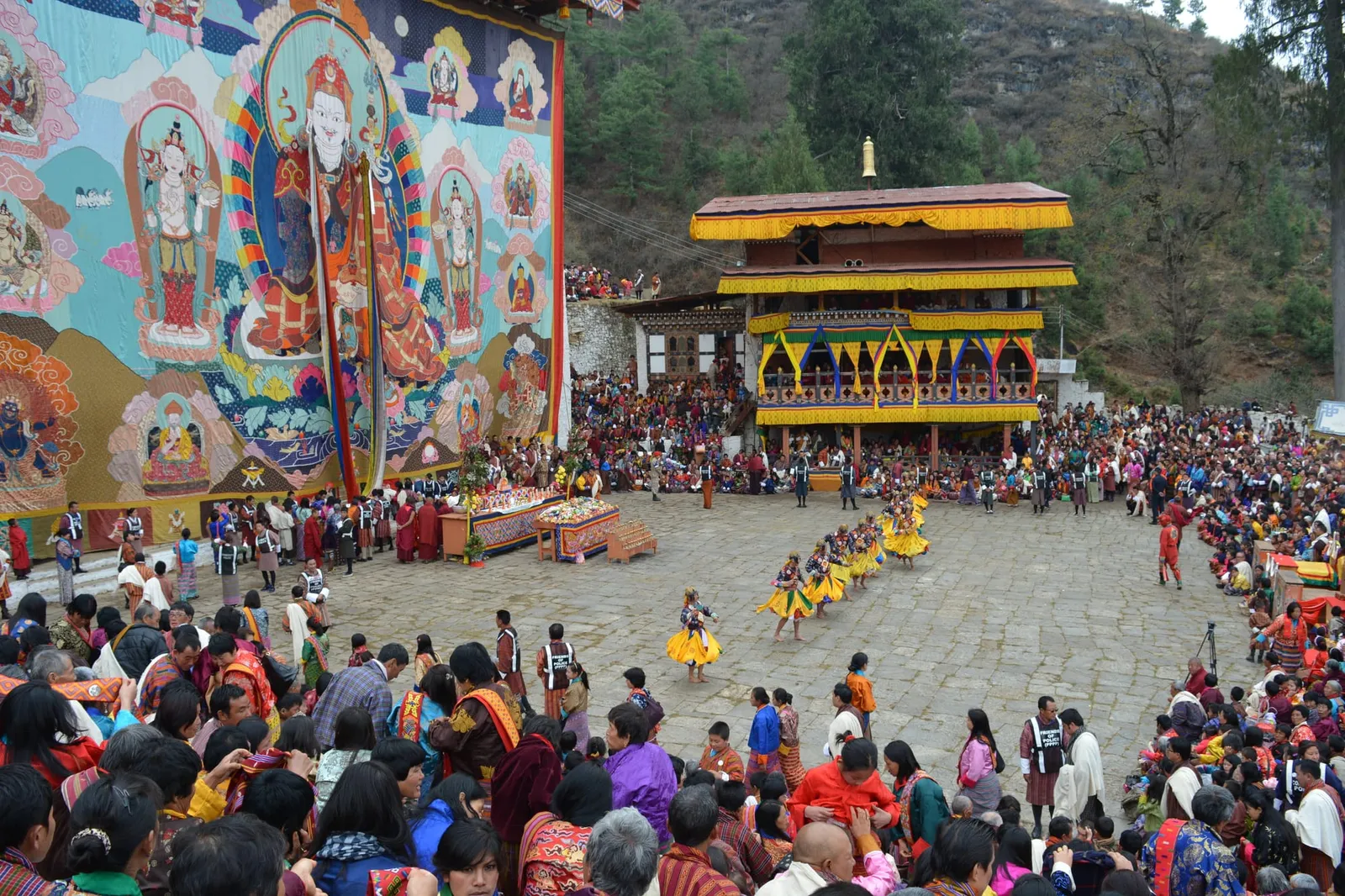
Bhutanese festivals, known as Tshechus, are important religious and cultural celebrations.

They feature sacred mask dances, traditional music, colourful costumes and gatherings of local communities. Many dances are associated with Guru Rinpoche, who played a central role in bringing Buddhism to Bhutan.

Popular festivals include:

  • Paro Tshechu
  • Thimphu Tshechu
  • Punakha Drubchen and Tshechu
  • Jambay Lhakhang Drup
  • Wangdue Phodrang Tshechu
  • Gomphu Kora
  • Haa Summer Festival
  • Black-Necked Crane Festival

Festival dates change each year according to the Bhutanese lunar calendar. Booking early is recommended for popular festival periods.

11. Trekking and Adventure in Bhutan

For travellers who enjoy the outdoors, Bhutan offers remarkable mountain landscapes and trekking routes.

Popular trekking experiences include:

Other experiences include mountain biking, nature walks, river rafting where conditions permit, birdwatching and scenic photography.

Trekking requires proper preparation, suitable equipment and arrangements through an accredited operator or guide.

12. Buddhist Pilgrimage and Spiritual Journeys

Bhutan is deeply connected with Vajrayana Buddhism. Its monasteries, temples, sacred lakes and meditation sites provide meaningful experiences for visitors interested in Buddhist culture.

Places of spiritual significance include:

  • Paro Taktsang
  • Kyichu Lhakhang
  • Kurjey Lhakhang
  • Jambay Lhakhang
  • Mebar Tsho
  • Chimi Lhakhang
  • Punakha Dzong

Ling Travel Bhutan can arrange Buddhist pilgrimage journeys, monastery visits and cultural experiences with knowledgeable local guides.

13. Where to Stay in Bhutan

Accommodation ranges from comfortable hotels to luxury resorts and traditional farmhouse stays.

  • Three-star hotels: suitable for travellers seeking comfort and good value
  • Four-star hotels and resorts: offer additional facilities, comfort and scenic settings
  • Five-star resorts: provide premium hospitality, wellness facilities and distinctive experiences
  • Farmhouse stays: offer opportunities to experience rural life, traditional food and local hospitality

For spring and autumn travel, particularly during major festivals, early reservations are recommended.

14. Bhutanese Food and Dining

Bhutanese cuisine is known for its distinctive flavours and use of chillies, cheese, vegetables and locally grown ingredients.

Popular dishes include:

  • Ema Datshi: chillies cooked with cheese
  • Kewa Datshi: potatoes with cheese
  • Shakam Paa: dried beef cooked with chillies
  • Phaksha Paa: pork with chillies
  • Jasha Maru: spicy chicken dish
  • Red rice: a traditional Bhutanese staple

Vegetarian, vegan and other dietary preferences can be communicated in advance so that suitable meals can be arranged.

15. Bhutanese Culture and Travel Etiquette

Bhutan places great importance on respect for religious traditions, cultural heritage and the natural environment.

A few simple practices will make your visit more meaningful.

What to do

  • Dress modestly when visiting temples and monasteries
  • Remove your shoes when required
  • Walk clockwise around stupas and religious structures
  • Ask permission before photographing people
  • Follow your guide’s instructions at sacred places
  • Respect local customs and traditions

What to avoid

  • Touching religious statues or sacred objects without permission
  • Disturbing prayer ceremonies
  • Leaving litter in natural areas
  • Photographing restricted areas
  • Behaving disrespectfully at religious sites

A friendly greeting you may hear is “Kuzuzangpo La,” a polite way to say hello.

16. What to Pack for Bhutan

Your packing list should reflect the season and destinations on your itinerary.

Clothing

  • Comfortable walking clothes
  • Long trousers and modest clothing for temples
  • Warm jacket and sweaters
  • Trekking shoes or comfortable walking shoes
  • Thermal clothing for winter

Travel essentials

  • Passport and visa or permit documents
  • Travel insurance
  • Camera and phone
  • Sunglasses and sunscreen
  • Personal medication
  • Reusable water bottle
  • Power adapter

If your itinerary includes high-altitude trekking, prepare additional clothing and equipment according to the route and season.

17. Suggested Bhutan Itineraries

The following are starting points that can be adjusted to your travel dates and interests.

5 Days / 4 Nights: Essential Western Bhutan

Paro, Thimphu, Punakha, and return to Paro.

7 Days / 6 Nights: Classic Bhutan Experience

Paro, Thimphu, Punakha, Phobjikha, and return to Paro.

10 Days / 9 Nights: Cultural Bhutan Journey

Paro, Thimphu, Punakha, Phobjikha, Trongsa, and Bumthang.

14 Days: Western and Central Bhutan

Paro, Thimphu, Haa Valley, Punakha, Phobjikha, Trongsa, and Bumthang.

Longer itineraries allow more time for local experiences, village visits and scenic stops.

18. Why Travel with Ling Travel Bhutan?

Ling Travel Bhutan is a Bhutan-based travel agency and Destination Management Company in Thimphu.

Our aim is to make every journey comfortable, meaningful and memorable through local knowledge and personalised travel planning.

Our services include:

  • Private and group Bhutan tours
  • Cultural and heritage journeys
  • Tshechu and festival tours
  • Trekking and adventure holidays
  • Buddhist pilgrimage tours
  • Luxury and honeymoon holidays
  • Family holidays
  • Wellness and yoga experiences
  • Hotel and resort reservations
  • Licensed guide and private transport arrangements
  • Visa and SDF assistance
  • Flight and travel arrangements

We believe that discovering Bhutan should be more than visiting famous landmarks. It should be an opportunity to understand the country’s people, traditions, spirituality and natural beauty.

19. Frequently Asked Questions

How many days should I spend in Bhutan?

Five to seven days is a good starting point for western Bhutan. Ten to fourteen days allows you to explore central Bhutan and experience a more varied itinerary.

Is Bhutan expensive to visit?

Your budget depends on accommodation, transport, meals, activities and the applicable SDF. A customised quotation is the best way to understand the total cost.

Can I visit Bhutan without a tour operator?

Visitors can make independent arrangements for certain travel services. However, applicable guide and tourism regulations must be followed. Trekking and visits to many religious monuments require accredited guide services.

What currency is used in Bhutan?

The Bhutanese Ngultrum (Nu.) is the national currency. Indian rupees are also accepted in many places, subject to applicable restrictions.

Is Bhutan suitable for families?

Yes. Family journeys can include cultural sightseeing, gentle walks, traditional activities, nature experiences and comfortable accommodation.

Can Ling Travel Bhutan customise my itinerary?

Yes. We can prepare itineraries based on your travel dates, group size, budget, accommodation preferences and interests.


Plan Your Bhutan Journey with Ling Travel Bhutan

Let the mountains, monasteries, festivals and welcoming communities of Bhutan become part of your next travel experience.History of Bhutan: Discover the Land of the Thunder Dragon

Whether you are dreaming of a cultural holiday, a Himalayan adventure, a spiritual pilgrimage or a relaxing journey through peaceful valleys, Ling Travel Bhutan is ready to help you plan.

Ling Travel Bhutan – Your Trusted Bhutan Travel Partner

The Gateway to Happiness

Website: https://lingtravelbhutan.com/
Email: lingtravelbhutan@gmail.com
WhatsApp: +975 7717 7166
Location: Thimphu, Bhutan


Bhutan Sets Guinness World Record: 108 Stupas Consecrated in a Single Day

Bhutan Sets Guinness World Record: 108 Stupas Consecrated Simultaneously in a Single Day

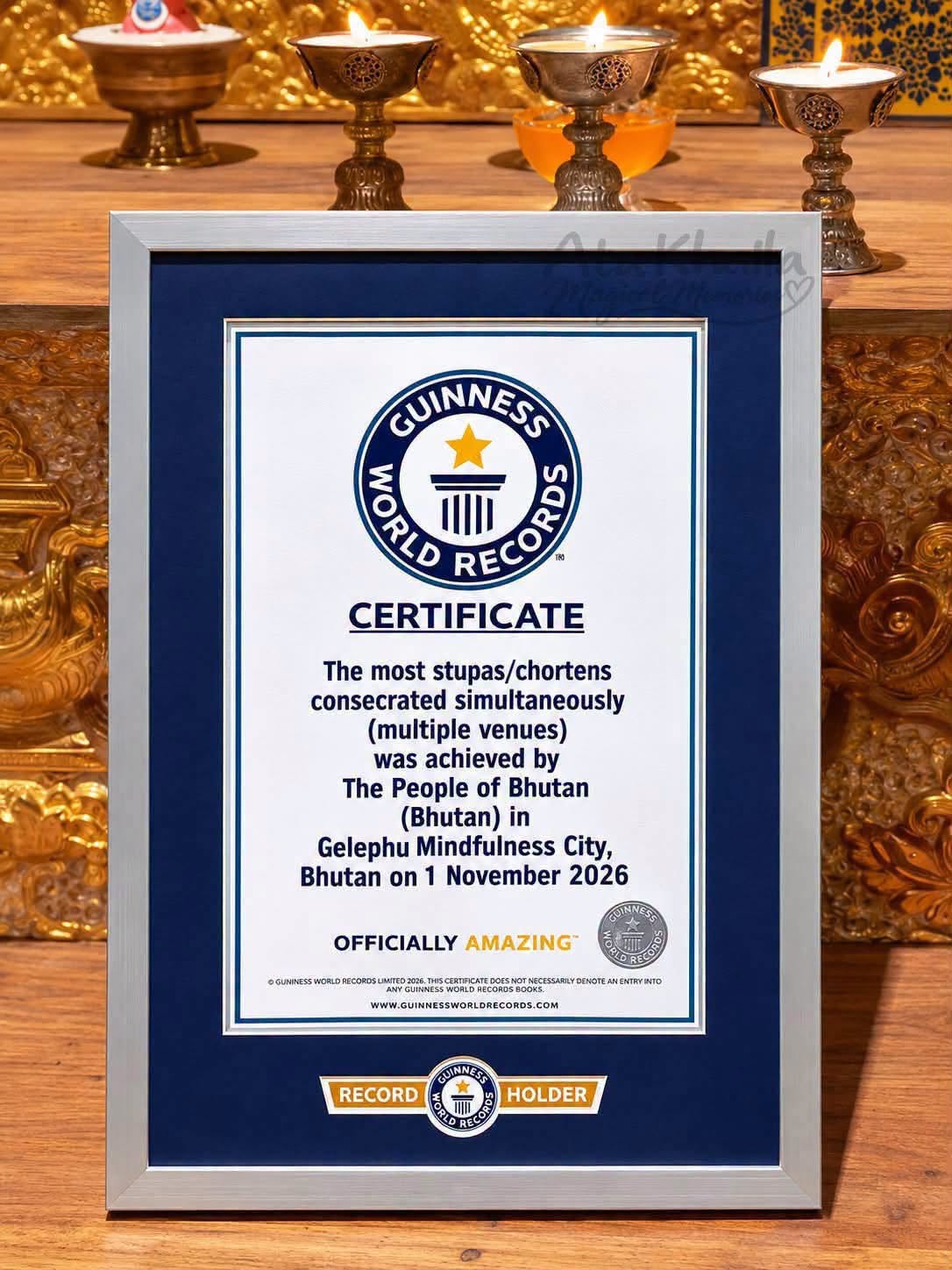
Guinness World Records certificate presented to the Governor of Gelephu Mindfulness City for 108 stupas consecrated simultaneously
Guinness World Records officially presents the certificate for “Most Stupas/Chortens Consecrated Simultaneously (Multiple Venues)” to the Governor of Gelephu Mindfulness City, Bhutan.

A Historic Achievement Written into the Record Books

On 1 November 2026, the people of Bhutan achieved something unprecedented: all 108 Jangchub Chortens (stupas) at Gelephu Mindfulness City (GMC) were raised and consecrated within a single day, completed by 12:00 noon without a single obstacle. Guinness World Records has now officially certified the achievement, awarding the title of “Most Stupas/Chortens Consecrated Simultaneously (Multiple Venues)” and presenting the certificate to the Governor of Gelephu Mindfulness City in recognition of this historic milestone.

This is far more than an engineering or logistical triumph. For Bhutan—a nation renowned for its Buddhist heritage and philosophy of Gross National Happiness—the occasion carries profound spiritual meaning, national unity, and a prayer for world peace.

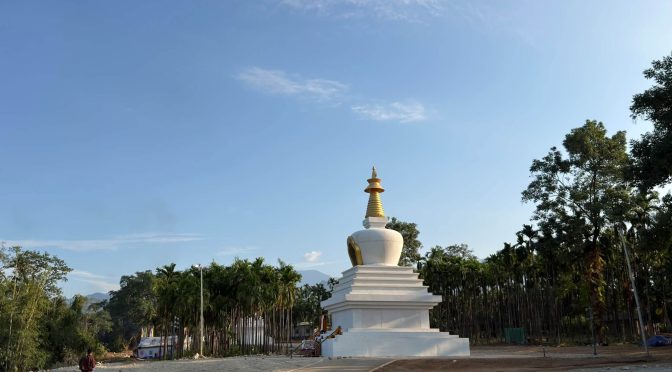
108 white Jangchub Chortens lining the Mau Chhu River at Gelephu Mindfulness City, Bhutan
All 108 Jangchub Chortens at Gelephu Mindfulness City, raised and consecrated in a single day.

How 108 Stupas Were Completed in Nine Hours

The initiative, known as Project 108, was conceived and driven by His Majesty King Jigme Khesar Namgyel Wangchuck. The stupas line the banks of the Mau Chhu River, each standing 15 metres tall and spaced 108 metres apart, forming a spiritual corridor roughly 11.7 kilometres long in Gelephu, southern Bhutan, near the Indian border with Assam.

Construction began at 3:00 a.m. Around 40,000 trained volunteers, organised into groups of 20 to 23, worked simultaneously across 108 sites. Prefabricated components and materials had been prepared months in advance, and monks had pre-consecrated the zung—sacred relics and scriptures—installed inside each stupa. By midday, all 108 stupas stood complete, and monks from across the country performed the consecration ceremony in unison.

Crucially, the Guinness record recognises the simultaneous consecration itself. Eighteen monks officiated at each stupa—1,944 in total—while over 100,000 people joined in prayer and chanting, supported by more than 1,000 lamas and rinpoches from around the world. Organisers noted that coordination on this scale may not be replicated for a very long time.

The Sacred Significance of 108 and the Stupa

In Bhutanese and Tibetan Buddhist tradition, a chorten symbolises the enlightened mind of the Buddha and serves as a place of devotion, prayer, meditation, and the accumulation of merit. The 108 stupas built here are Jangchub Chortens—”Stupas of Enlightenment”—commemorating the Buddha’s awakening at Bodh Gaya.

The number 108 carries deep meaning in Buddhism: it is associated with the 108 volumes of the Kangyur, the collected words of the Buddha, and with the 108 afflictions a practitioner seeks to overcome. Building exactly 108 stupas was therefore itself an act of spiritual intent, not an arbitrary figure.

One Date, Three Layers of Meaning

The choice of 1 November was no accident. The date coincides with:

  • Lhabab Duechen — the sacred day marking the Buddha’s descent from the heavenly realm
  • The 18th anniversary of the King’s Coronation — His Majesty was formally crowned on 1 November 2008
  • The completion of Project 108 — announced by the King on 21 February and fulfilled roughly eight months later

This convergence of meanings gives the event a unique symbolic weight in modern Bhutanese history.

Stupa No. 76: A Tribute to India’s Prime Minister

Among the 108 stupas, Stupa No. 76 is dedicated to Indian Prime Minister Narendra Modi, honouring his support for the Gelephu Mindfulness City project and the close friendship between India and Bhutan. India’s Minister of Parliamentary Affairs, Kiren Rijiju, attended the ceremony on behalf of India and prayed at the stupa alongside the King—a detail that underscores the regional significance of the GMC initiative.

Gelephu Mindfulness City: A Vision for Bhutan’s Future

Gelephu Mindfulness City is an ambitious national project to create an economic hub that integrates sustainable development, wellbeing, and mindfulness. The King envisions it as a “vibrant economic hub” that preserves Bhutanese cultural identity and environmental values while creating opportunities for the younger generation to build their futures at home.

The 108 stupas lay a spiritual foundation for this future city. They are not decorative landmarks but, in essence, prayers solidified in stone and earth—embedding faith into the very DNA of urban development.

Experience Bhutan’s Spiritual Heritage Firsthand

For travellers, the 108 stupas are now a remarkable landscape in southern Bhutan. Since consecration, pilgrims have walked the full 11.7-kilometre circuit, circumambulating clockwise—a journey that typically takes five to six hours.

As a Bhutan-based licensed travel agency and Destination Management Company, Ling Travel Bhutan can arrange tailor-made journeys for travellers seeking a deeper understanding of Bhutan’s Buddhist traditions and contemporary development, including:

  • Gelephu Stupa Corridor Pilgrimage — walk the circuit along the Mau Chhu River among all 108 stupas
  • Sacred Sites Tours — visit Taktsang (Tiger’s Nest), Punakha Dzong, Kyichu Lhakhang, and other revered sites
  • Festival Experiences — time your visit with a Tshechu to witness Bhutan’s living cultural traditions
  • Mindfulness & Meditation — participate in meditation and wellness experiences in serene monastery settings

About Ling Travel Bhutan

Ling Travel Bhutan is a locally operated Bhutanese travel agency and Destination Management Company based in Thimphu, Bhutan, specialising in cultural, pilgrimage, and tailor-made travel experiences.

🌐 Website: https://lingtravelbhutan.com/
📧 Email: lingtravelbhutan@gmail.com
📱 WhatsApp: +975 7717 7166

Discover Bhutan. Experience Its Spiritual Heritage.

Tashi Delek! May the merit and positive aspirations of this noble undertaking bring peace to the world, happiness to all beings, and harmony among all nations.