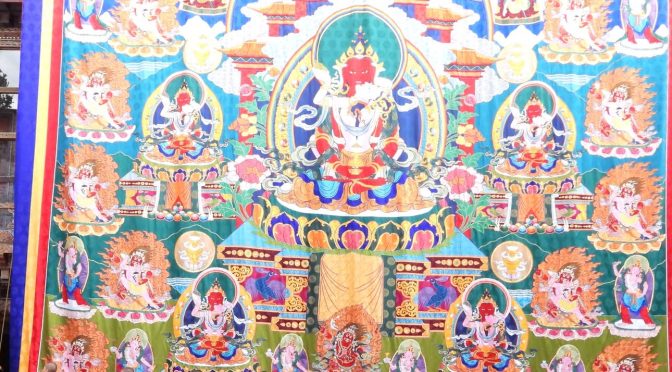
Jangtsa Dumtseg Lhakhang: Bhutan’s Mysterious Three-Storey Chorten Temple

Discover One of Bhutan’s Best-Kept Spiritual Secrets

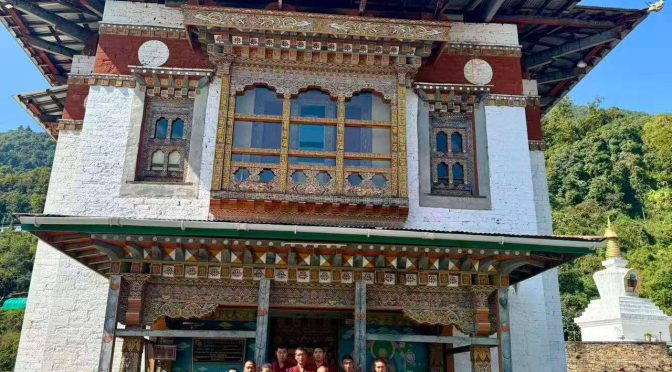
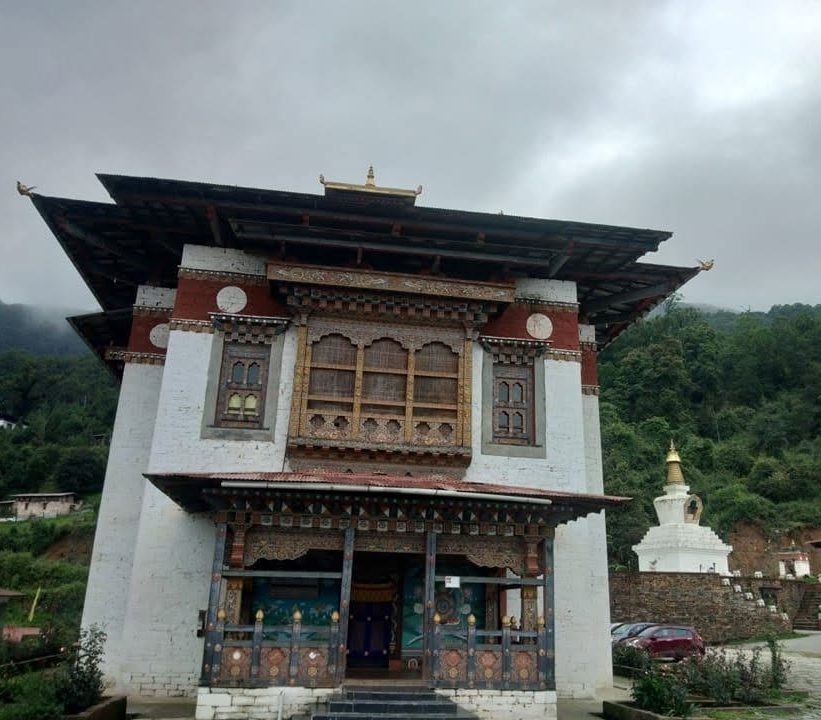
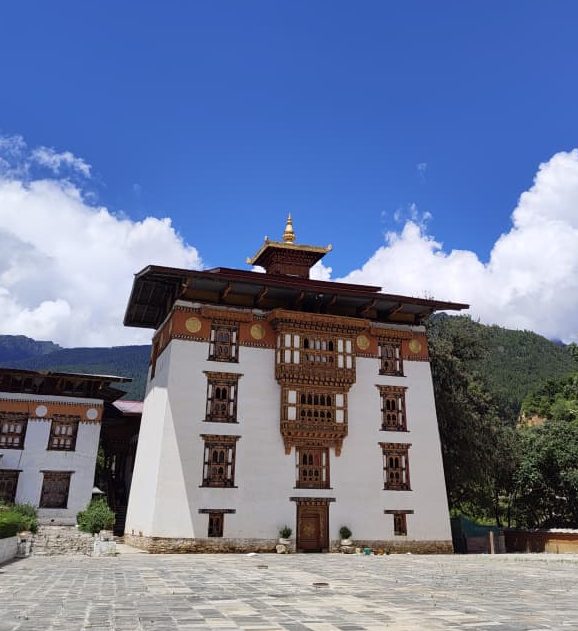
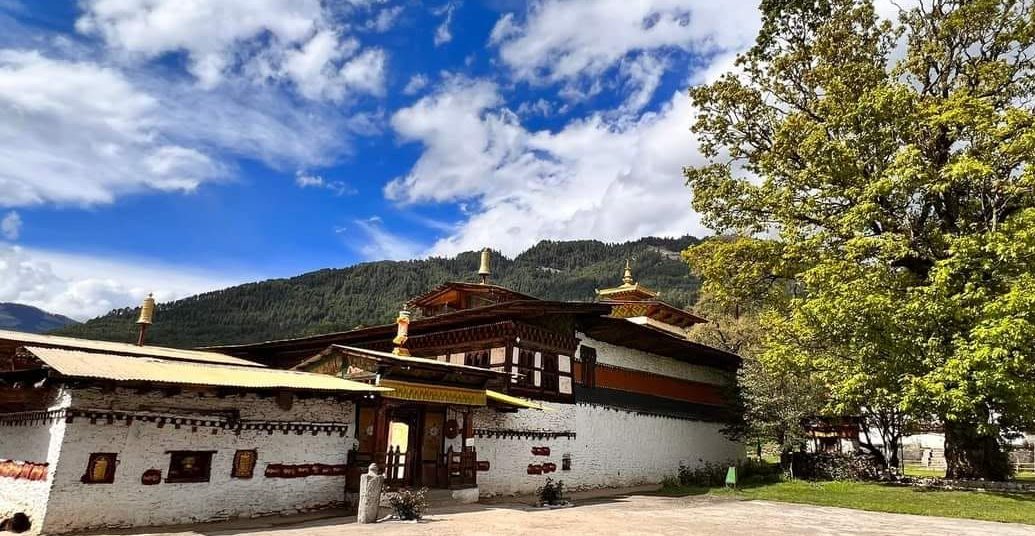
Hidden among the emerald fields and traditional farmhouses of the peaceful Paro Valley stands one of Bhutan’s most extraordinary yet often overlooked sacred monuments—Jangtsa Dumtseg Lhakhang. Unlike any other temple in the kingdom, this remarkable 15th-century sanctuary was built not as a monastery or fortress, but as a three-storey chorten (stupa), making it one of Bhutan’s rarest architectural masterpieces.

While many travellers flock to the iconic Tiger’s Nest Monastery or the imposing Rinpung Dzong, those who venture to Jangtsa Dumtseg Lhakhang discover a quieter, more intimate side of Bhutan’s spiritual heritage. Every level of this mystical temple unveils profound Buddhist teachings through centuries-old murals, sacred iconography, and intricate symbolism, offering visitors a journey that is as enlightening as it is unforgettable.

Steeped in legend, devotion, and artistic brilliance, Jangtsa Dumtseg Lhakhang is more than a historical landmark—it is a living testament to Bhutan’s enduring Buddhist traditions. For travellers seeking authentic cultural experiences beyond the well-trodden paths, this hidden gem provides a rare opportunity to explore the spiritual heart of the Land of the Thunder Dragon.


The Fascinating History of Jangtsa Dumtseg Lhakhang

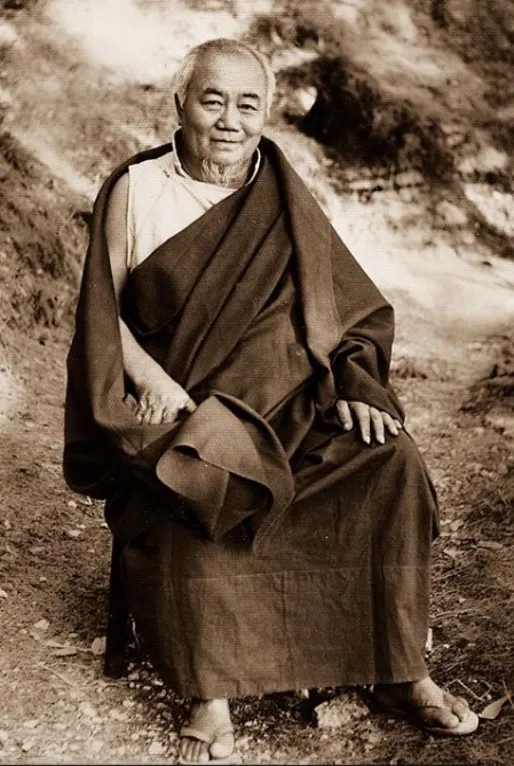
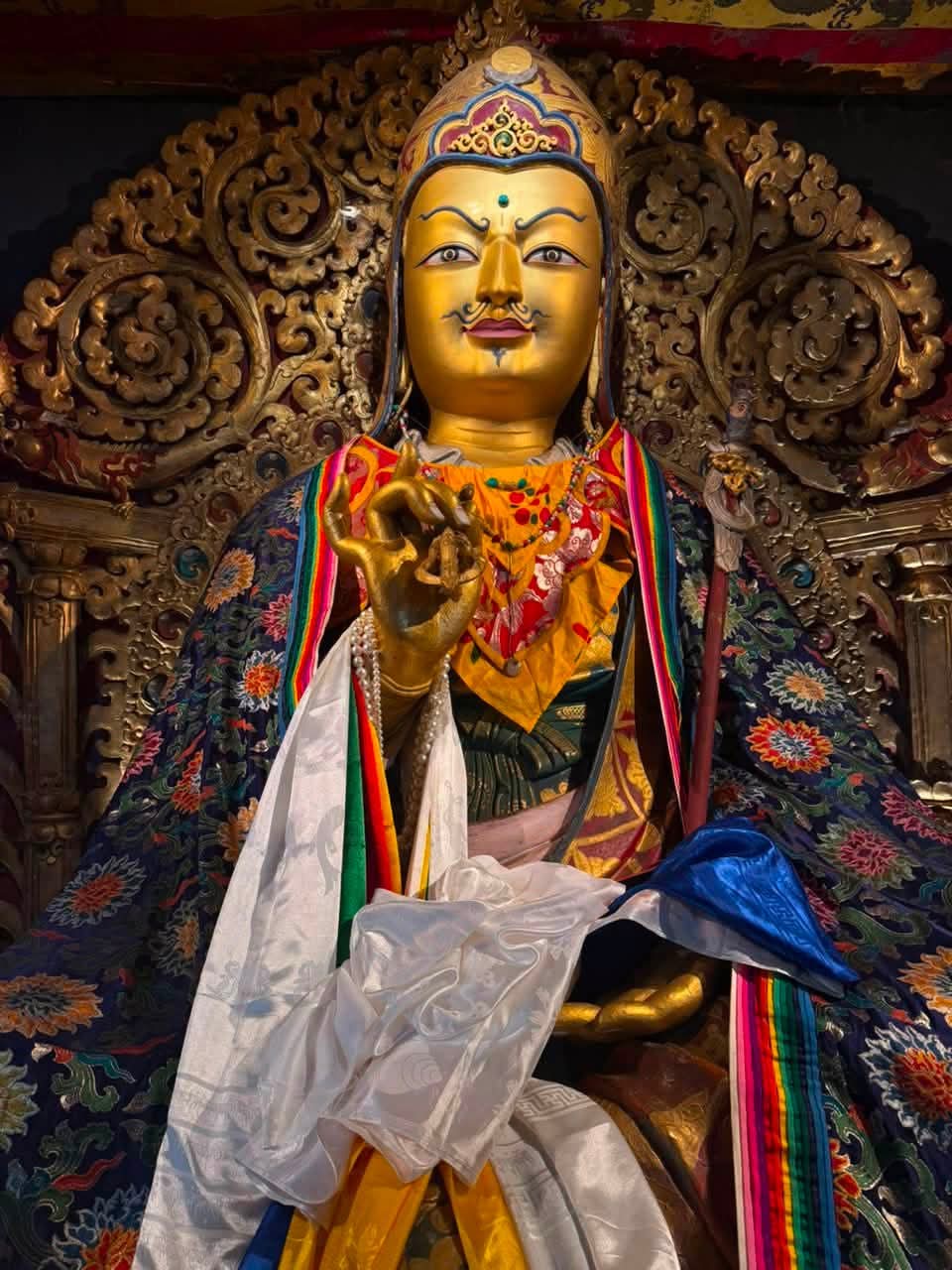
Jangtsa Dumtseg Lhakhang was constructed in 1421 by the legendary Tibetan saint Thangtong Gyalpo, one of the Himalayas’ most revered spiritual figures. Celebrated as an accomplished yogi, physician, engineer, and visionary bridge builder, he earned the enduring title of the “Iron Bridge Builder” for constructing numerous iron suspension bridges that connected isolated Himalayan communities.

Yet his legacy extends far beyond engineering. Throughout Bhutan and Tibet, Thangtong Gyalpo is remembered as a compassionate master who blended practical innovation with profound spiritual wisdom.

According to Bhutanese tradition, the temple was built to subdue a powerful female demon believed to be disturbing the peace and prosperity of the Paro Valley. Rather than defeating this negative force through violence, Thangtong Gyalpo transformed it through compassion and enlightened wisdom.

This powerful legend reflects one of Buddhism’s central teachings—that ignorance, fear, and suffering are not destroyed but transformed through wisdom, mindfulness, and compassion.

More than six centuries later, Jangtsa Dumtseg Lhakhang continues to serve as an active place of worship, preserving both its sacred purpose and its extraordinary artistic heritage for future generations.


A Rare Architectural Masterpiece in Bhutan

What immediately distinguishes Jangtsa Dumtseg Lhakhang from nearly every other religious structure in Bhutan is its remarkable design.

Unlike Bhutan’s majestic dzongs, fortress monasteries, or traditional lhakhangs, this sacred monument was built as a three-storey chorten, symbolising the Buddhist understanding of the universe and the path towards enlightenment.

Its architecture is not simply functional—it is profoundly symbolic.

Each floor represents a different stage of spiritual existence, inviting visitors to ascend physically while contemplating their own inner journey.

Lower Level – The Realm of Suffering

The first level represents the lower realms of existence.

Its symbolic paintings illustrate the consequences of ignorance, attachment, and harmful actions. Through vivid Buddhist imagery, visitors are reminded of the importance of ethical conduct, compassion, and mindfulness in everyday life.

Rather than creating fear, these artworks encourage reflection and personal growth.

Middle Level – The Human World

The second floor represents the human realm.

According to Buddhist philosophy, human life offers the precious opportunity to practise kindness, cultivate wisdom, and progress along the path to enlightenment.

This level celebrates the balance between worldly responsibilities and spiritual development, reminding visitors that every action shapes one’s future.

Upper Level – The Heavenly Realms

The highest floor symbolises enlightenment and the celestial realms.

Here, the journey culminates in liberation from suffering, where wisdom triumphs over attachment and ignorance.

Ascending through the three levels becomes a symbolic pilgrimage from darkness to awakening—a remarkable architectural expression of Buddhist philosophy rarely found elsewhere in Bhutan.


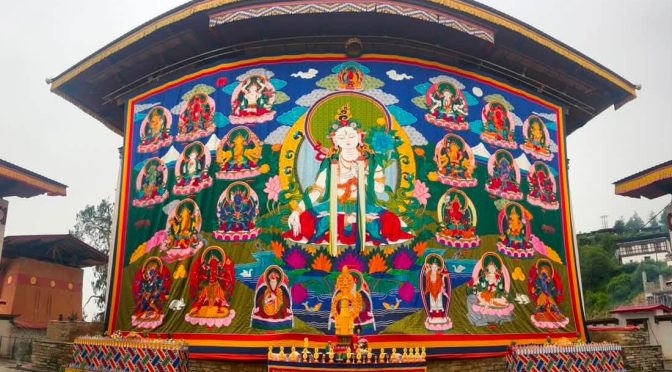
Ancient Murals That Tell Timeless Stories

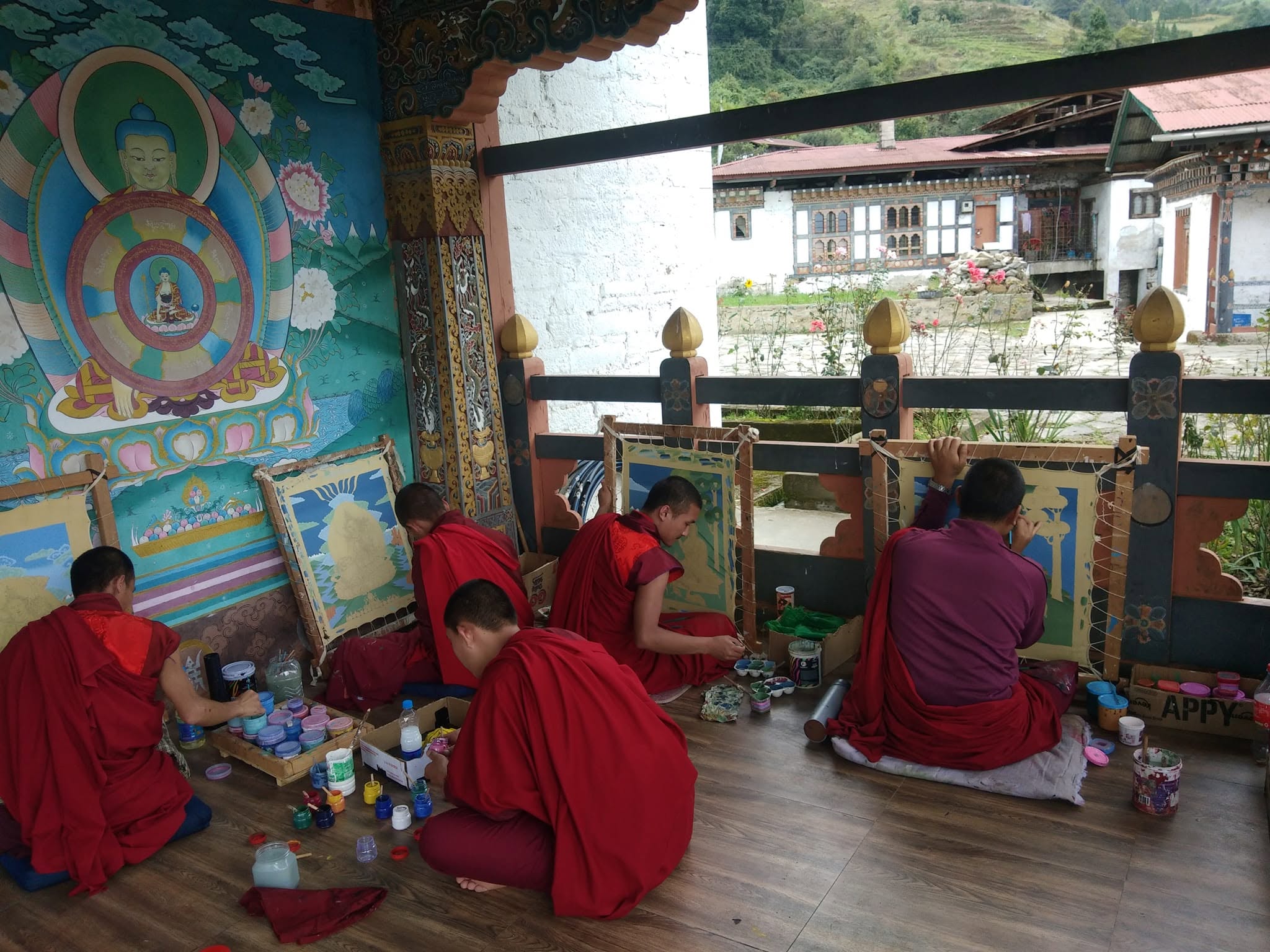
One of Jangtsa Dumtseg Lhakhang’s greatest treasures lies hidden within its beautifully preserved interior.

The temple houses some of Bhutan’s finest surviving examples of early Buddhist mural painting, many dating back centuries.

Visitors can admire:

  • Magnificent centuries-old Buddhist murals
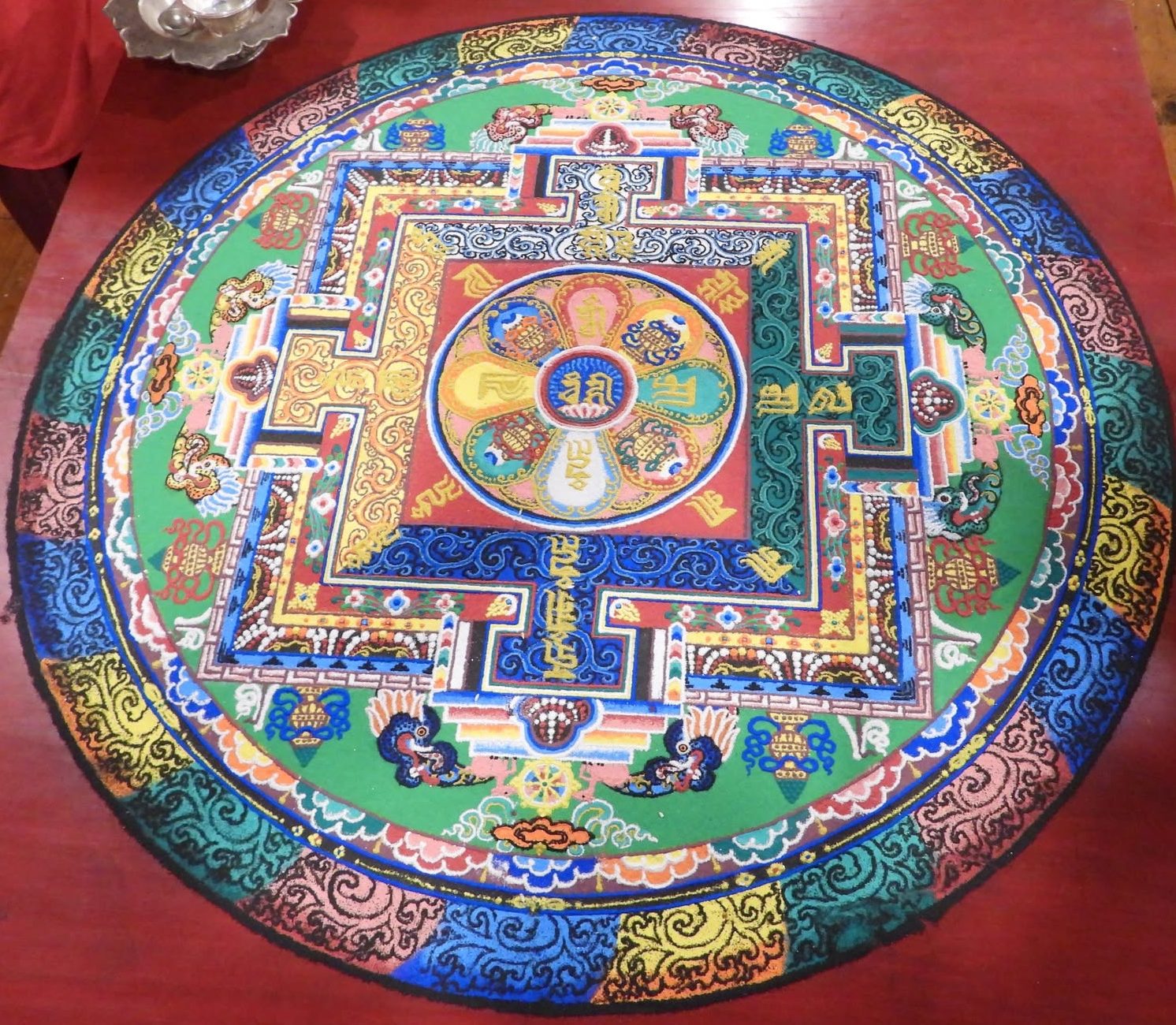
  • Intricately painted mandalas rich in symbolic meaning
  • Sacred depictions of enlightened Buddhas and Bodhisattvas
  • Traditional Buddhist iconography illustrating the cycle of life
  • Detailed paintings representing humanity’s journey from ignorance to enlightenment

Every wall serves as a visual scripture, teaching profound Buddhist lessons through colour, symbolism, and artistic mastery.

For historians, artists, photographers, and spiritual travellers alike, these murals offer an invaluable glimpse into Bhutan’s artistic legacy and religious traditions.


A Living Place of Worship

Although admired for its historical significance, Jangtsa Dumtseg Lhakhang remains first and foremost a living religious sanctuary.

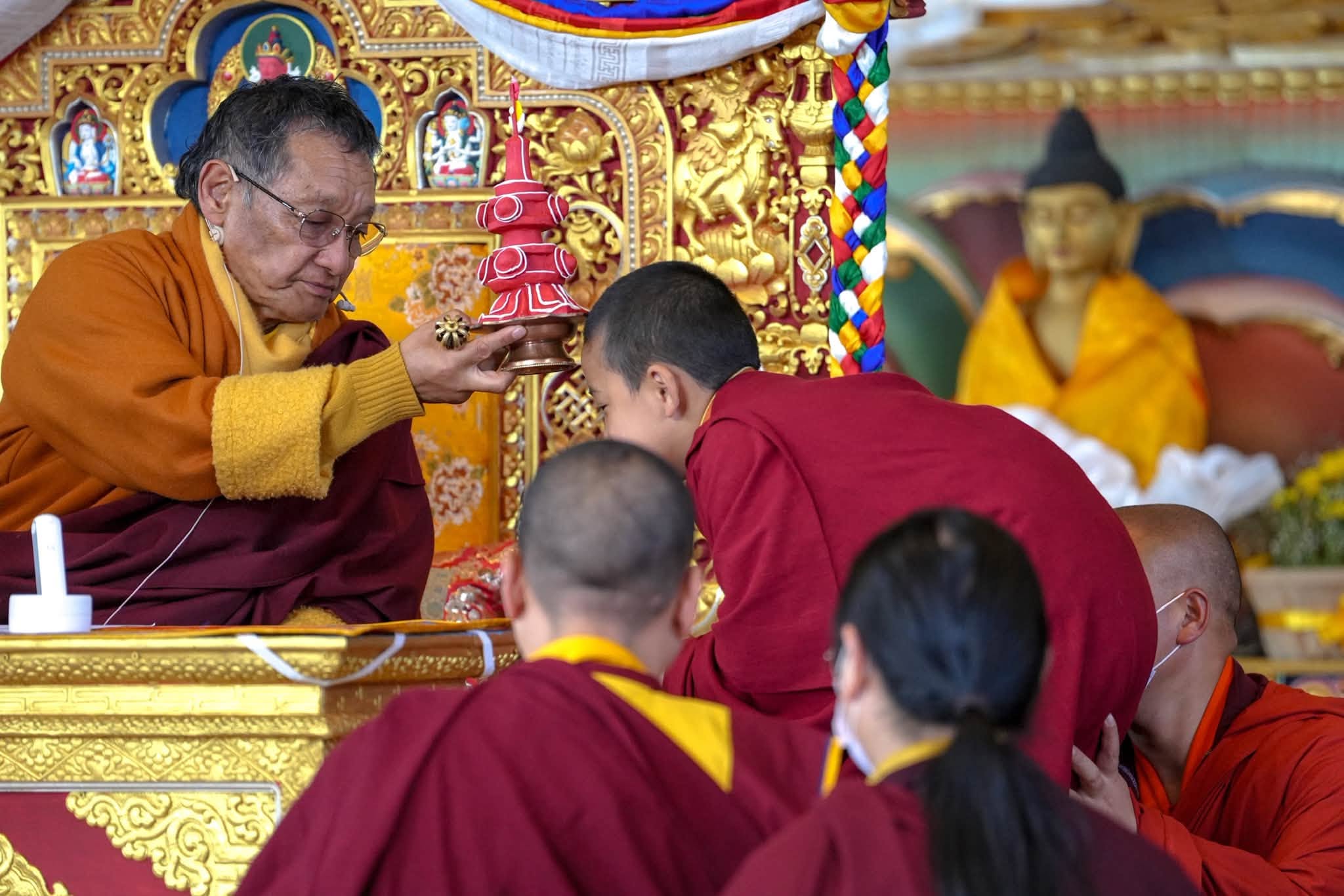
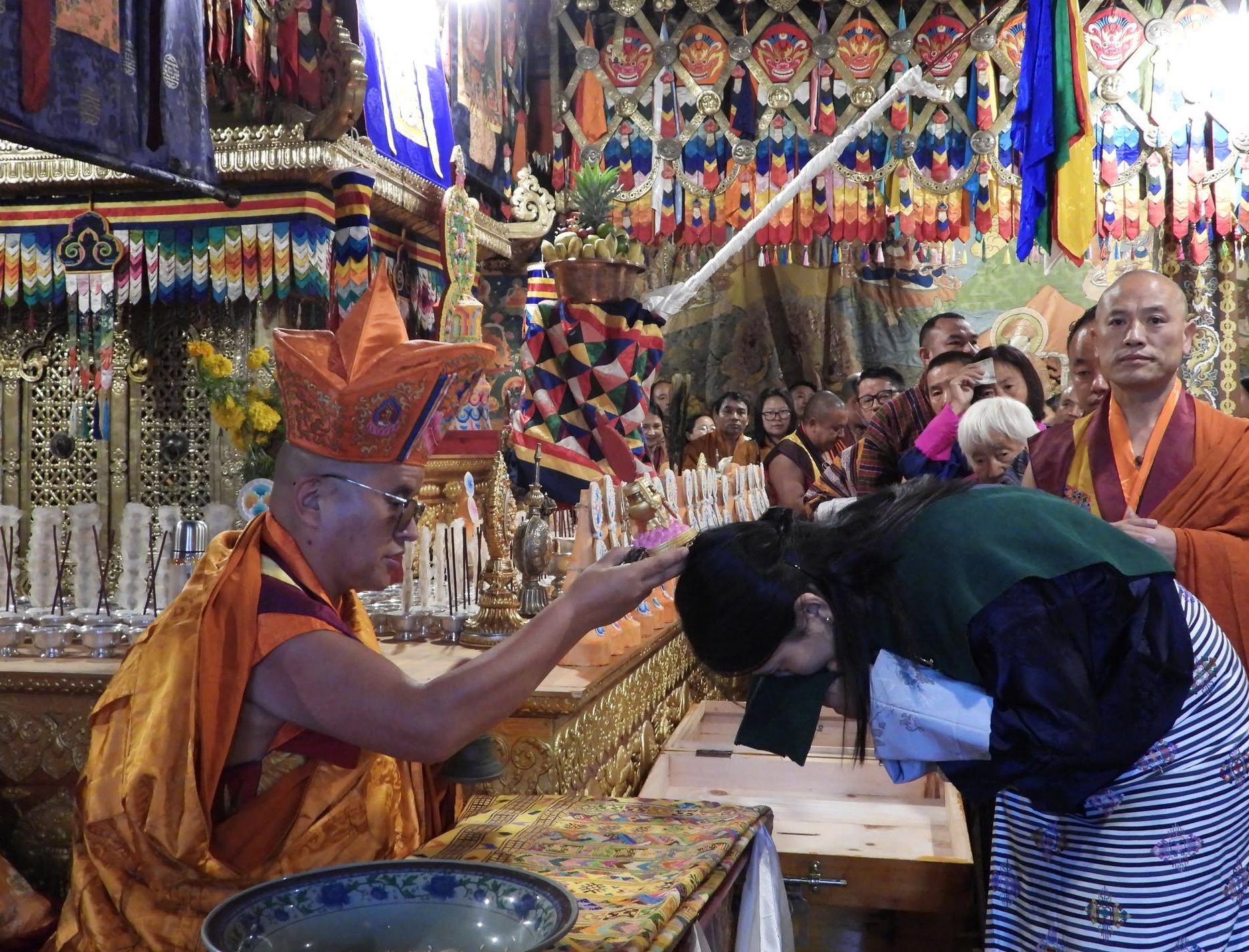
Local devotees continue to visit throughout the year to honour centuries-old traditions and seek spiritual guidance.

Pilgrims come here to:

  • Offer prayers for peace, health, and prosperity
  • Receive blessings from resident monks
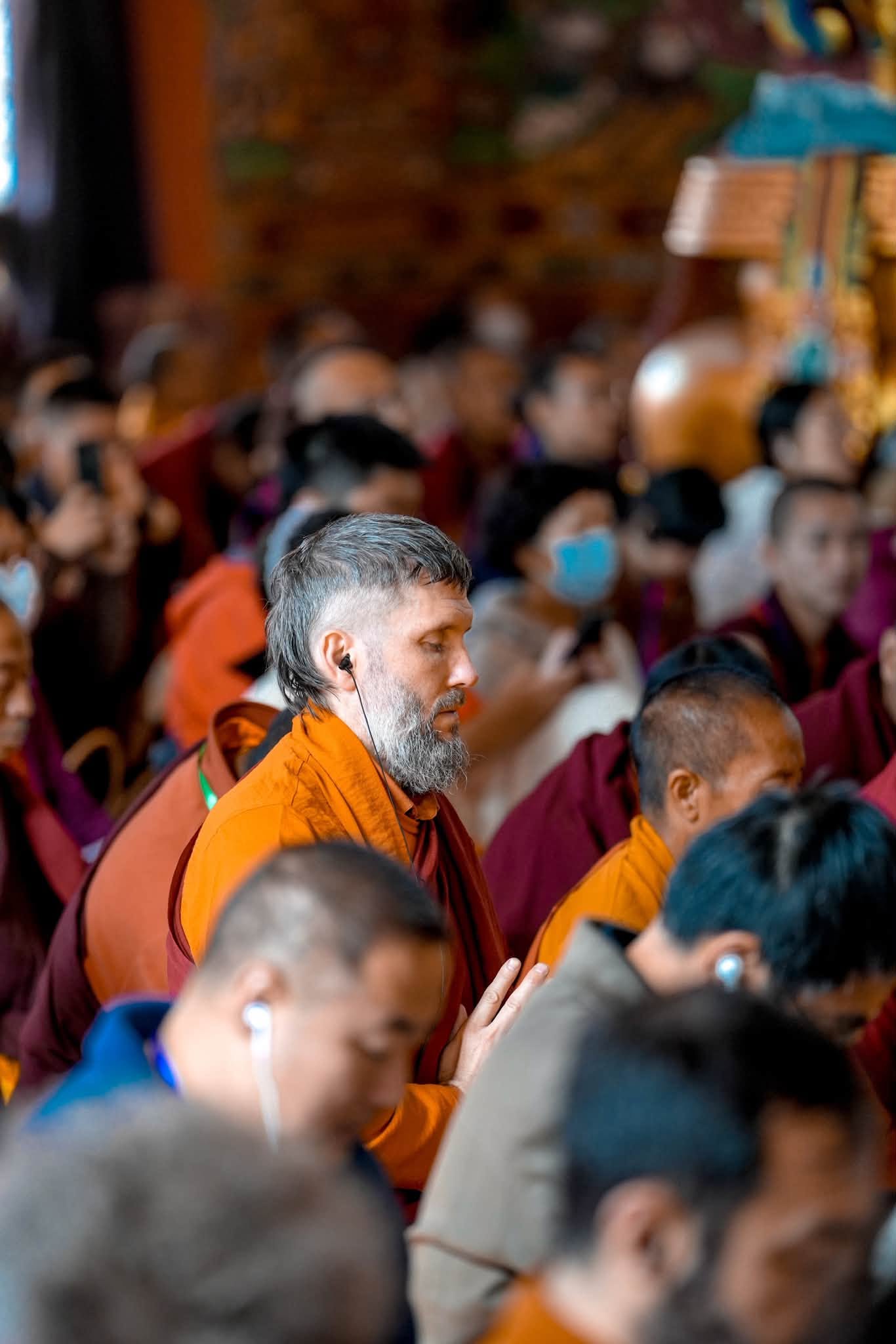
  • Reflect upon Buddhist teachings through sacred symbolism
  • Participate in religious ceremonies and seasonal festivals

The temple’s peaceful atmosphere encourages quiet contemplation, making it a meaningful destination regardless of one’s religious beliefs.

Walking through its sacred chambers is not simply sightseeing—it is an invitation to experience Bhutan’s living spiritual heritage firsthand.


Where is Jangtsa Dumtseg Lhakhang?

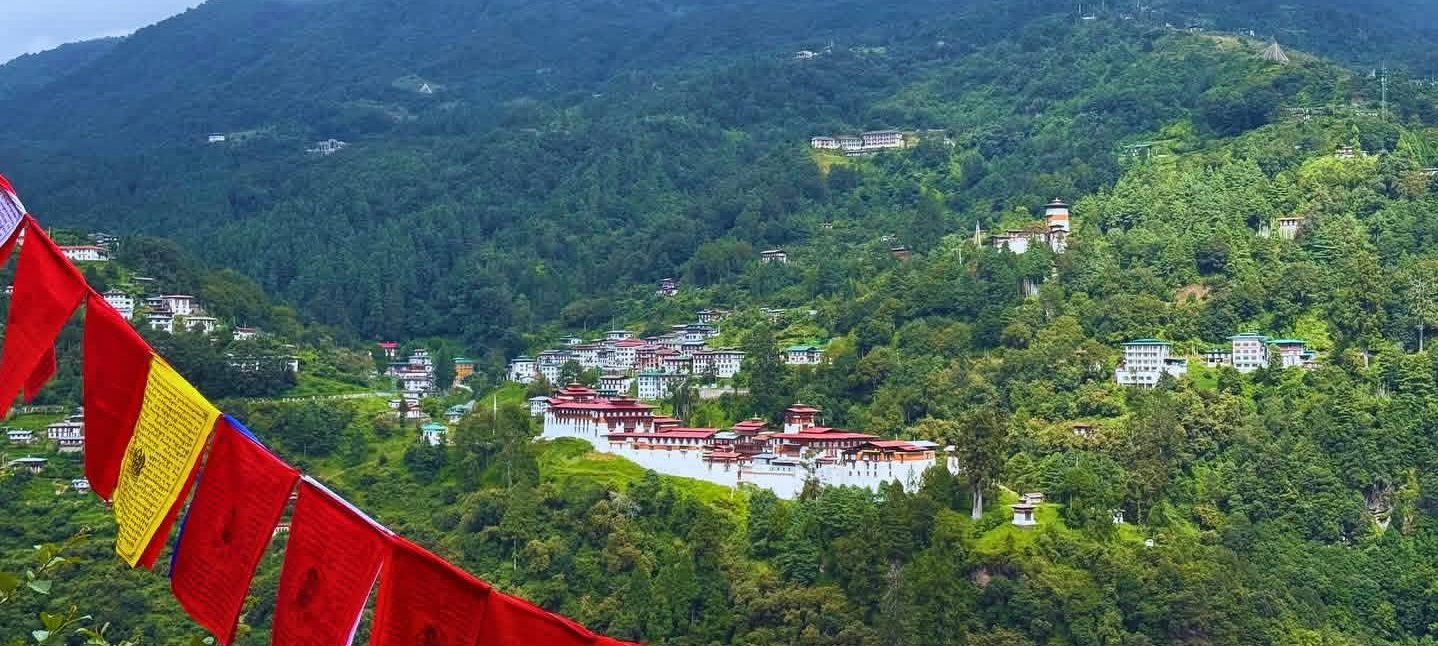
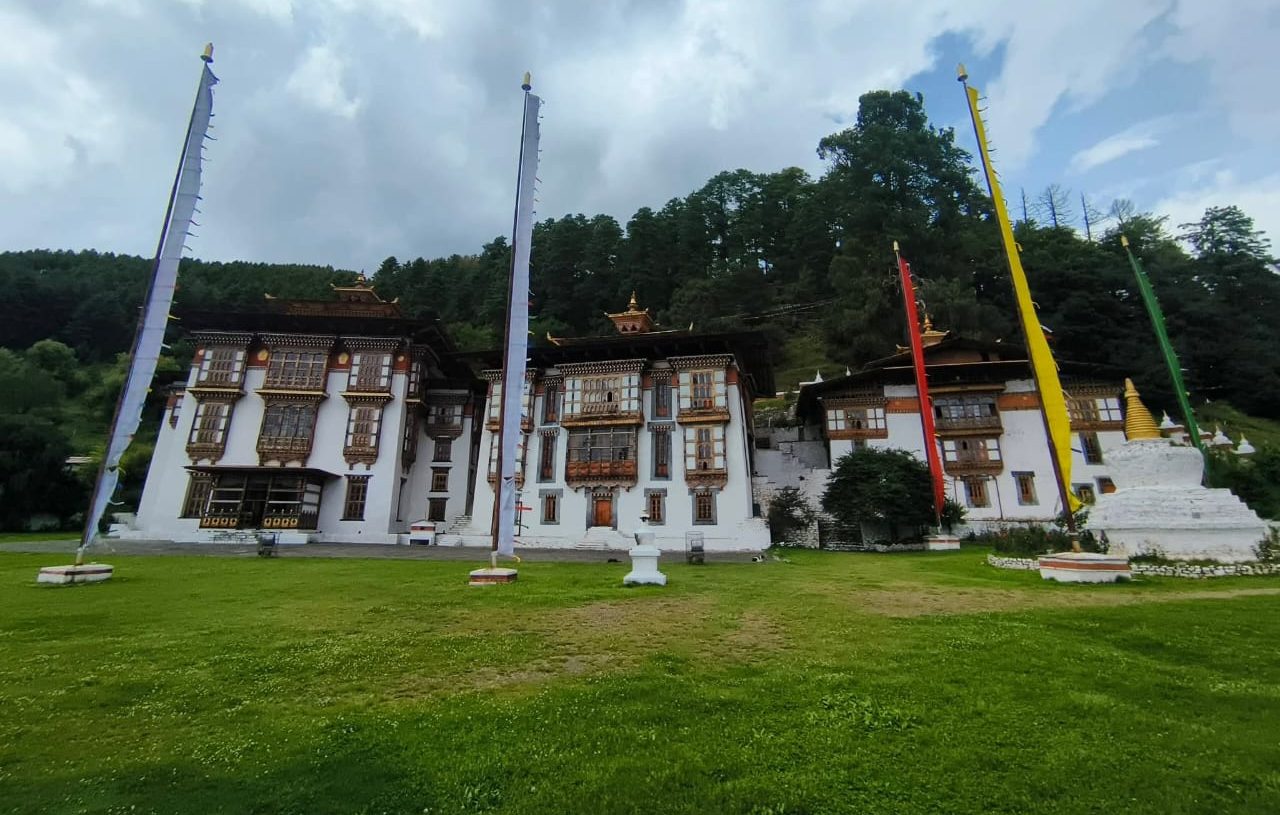
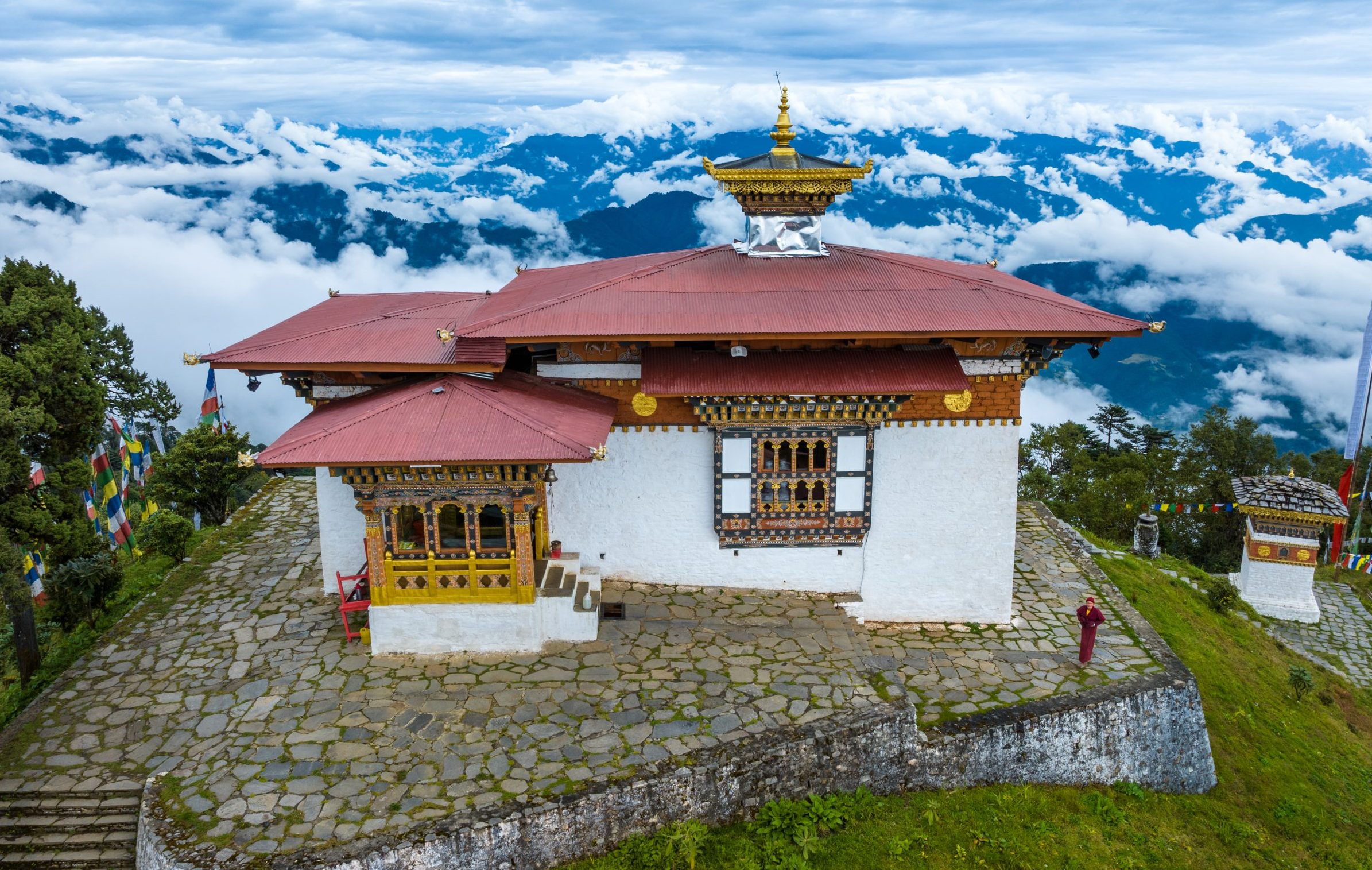
Jangtsa Dumtseg Lhakhang is located just outside Paro Town, overlooking one of Bhutan’s most beautiful valleys.

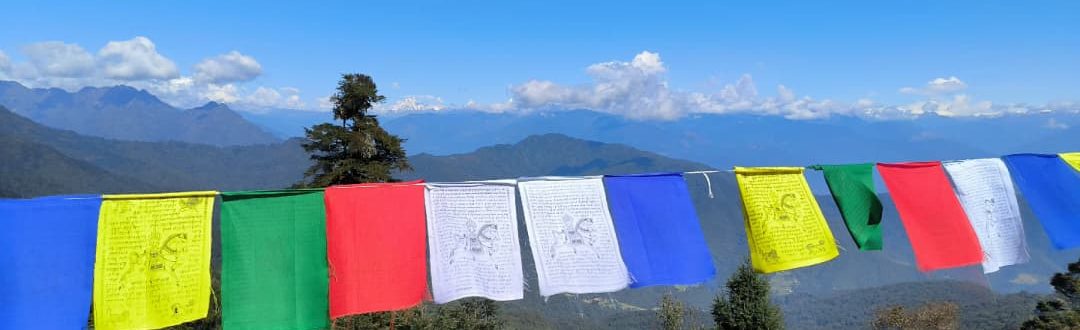
Surrounded by traditional farmhouses, fertile agricultural land, prayer flags, and forested hillsides, the temple enjoys a tranquil setting that perfectly reflects Bhutan’s harmonious relationship with nature.

Its convenient location makes it easy to combine with several of Paro’s most celebrated attractions, including:

  • Kyichu Lhakhang, one of Bhutan’s oldest and holiest temples
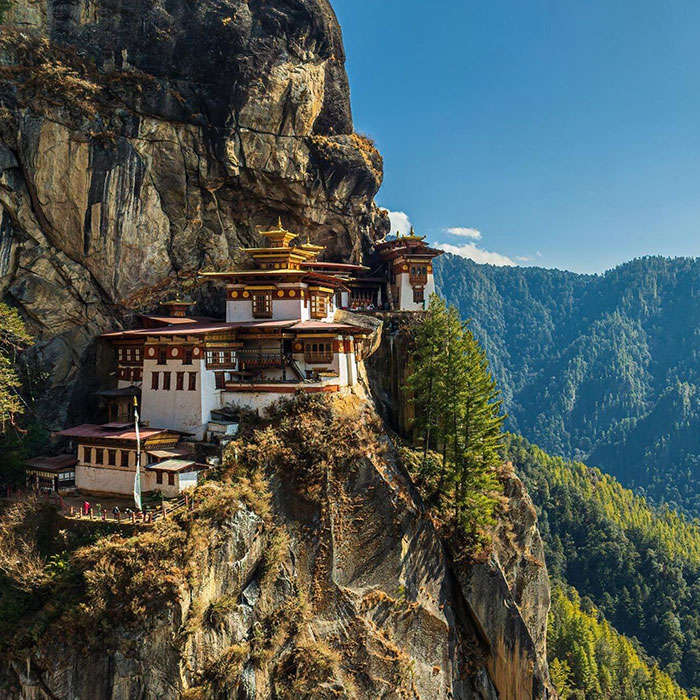
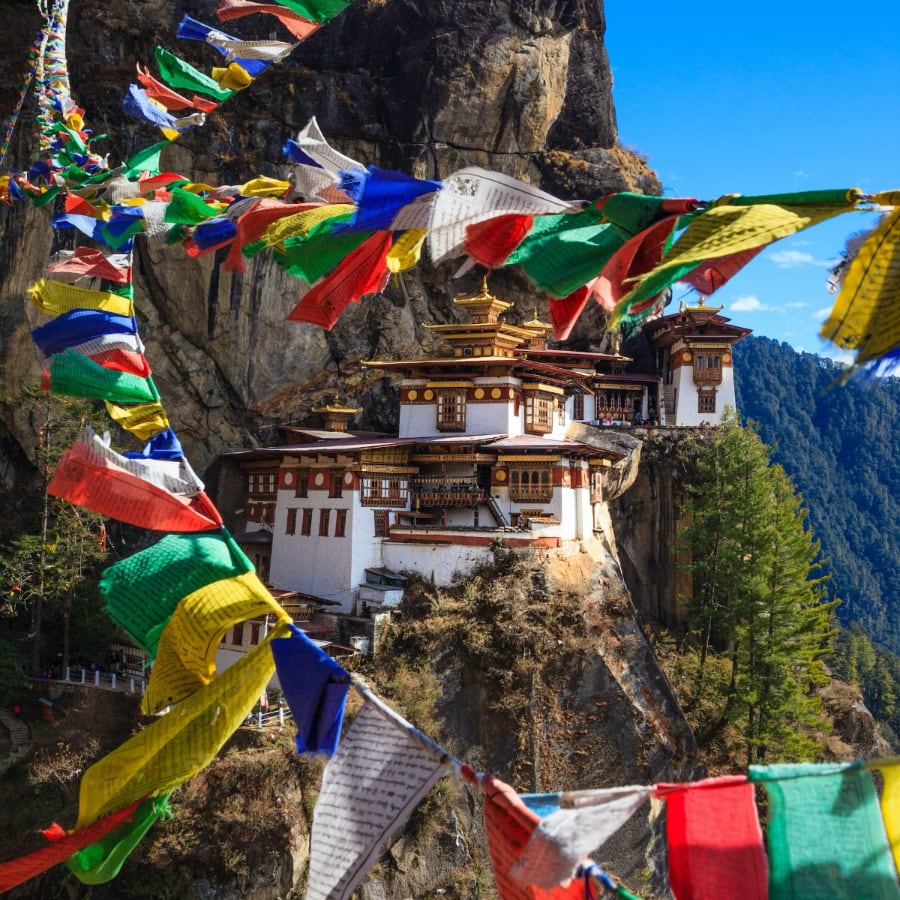
  • Taktsang (Tiger’s Nest Monastery), Bhutan’s iconic cliffside monastery
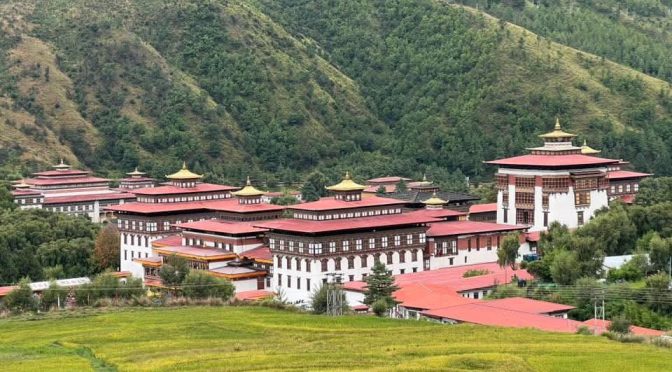
  • Rinpung Dzong, one of Bhutan’s finest fortress monasteries
  • The charming streets, cafés, and artisan shops of Paro Town

Many visitors choose to explore these landmarks together, gaining a comprehensive introduction to Bhutan’s rich Buddhist heritage and architectural wonders. This route also aligns with Ling Travel Bhutan’s cultural itineraries, where guests explore Paro’s most revered spiritual landmarks alongside authentic local experiences.


Best Time to Visit Jangtsa Dumtseg Lhakhang

Jangtsa Dumtseg Lhakhang welcomes visitors throughout the year, but two seasons provide particularly memorable experiences.

Spring (March–May)

Spring transforms the Paro Valley into a spectacular landscape of flowering rhododendrons, blossoming orchards, and vibrant greenery.

Pleasant temperatures and clear skies make this one of the best times for sightseeing, photography, and hiking.

Autumn (September–November)

Autumn offers crisp Himalayan air, brilliant blue skies, and exceptional mountain visibility.

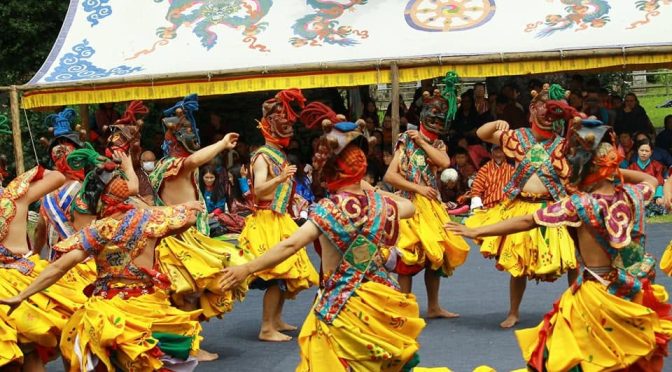
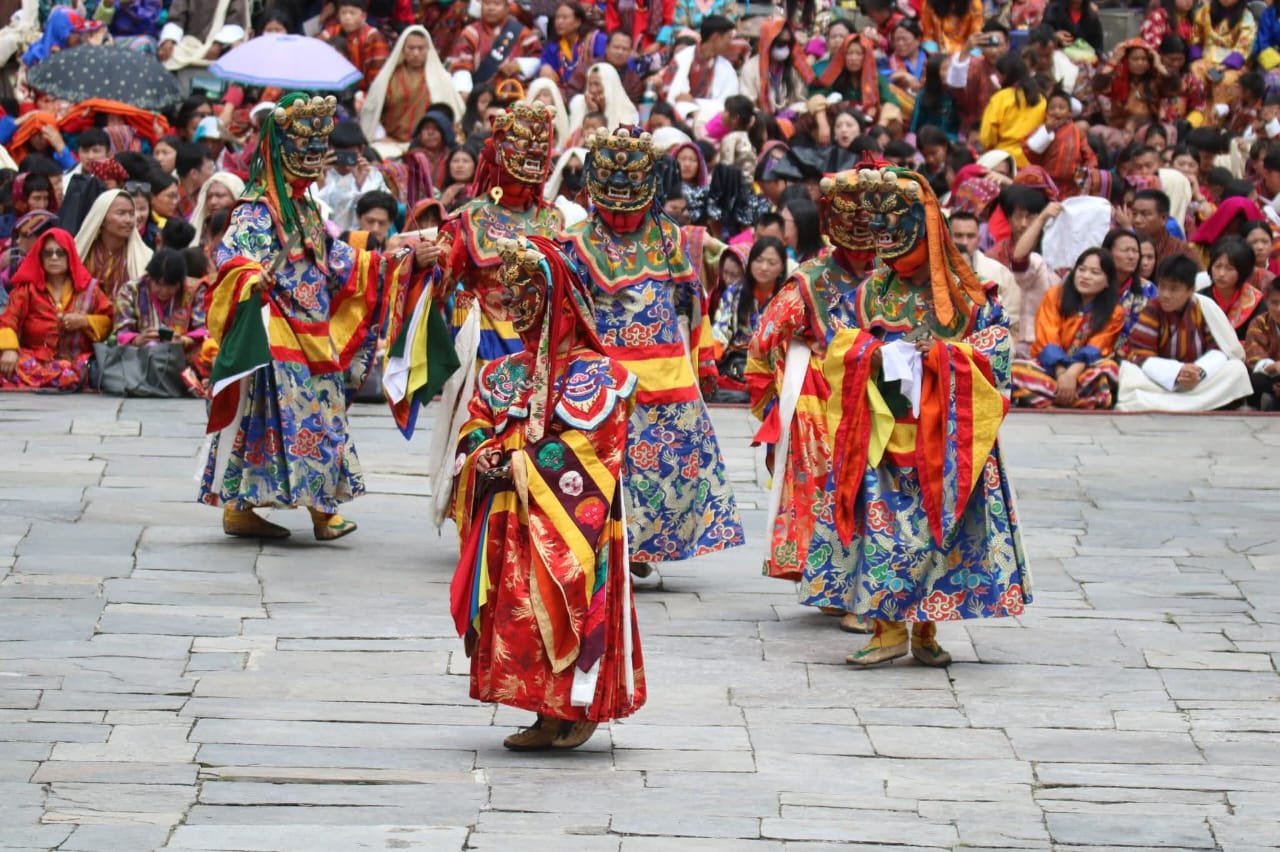
This is also Bhutan’s peak festival season, allowing visitors to combine sacred temple visits with colourful religious celebrations and traditional mask dances.

Both seasons showcase Bhutan at its most beautiful while providing ideal conditions for cultural exploration.


Why Jangtsa Dumtseg Lhakhang Should Be on Your Bhutan Itinerary

While Bhutan’s famous landmarks rightly attract global attention, places like Jangtsa Dumtseg Lhakhang reveal the quieter, more contemplative side of the kingdom.

Here, visitors experience:

  • Rare Bhutanese religious architecture
  • Extraordinary Buddhist art
  • Ancient spiritual symbolism
  • Living religious traditions
  • Peaceful surroundings away from larger tourist crowds

Its blend of mythology, history, architecture, and active spiritual practice creates an experience unlike any other in Bhutan.

Whether you are fascinated by sacred architecture, Buddhist philosophy, photography, history, or cultural heritage, Jangtsa Dumtseg Lhakhang offers an enriching journey into Bhutan’s timeless soul.


Experience Jangtsa Dumtseg Lhakhang with Ling Travel Bhutan

Jangtsa Dumtseg Lhakhang is proudly featured in Ling Travel Bhutan’s 7-Day Essential Bhutan Travel itinerary, where travellers explore this remarkable sanctuary alongside Kyichu Lhakhang, the legendary Tiger’s Nest Monastery, and many of Bhutan’s most treasured spiritual landmarks. The itinerary is designed to immerse guests in Bhutan’s living Buddhist traditions, combining sacred temples, historic dzongs, authentic village experiences, and breathtaking Himalayan landscapes.

At Ling Travel Bhutan, every journey is thoughtfully crafted to go beyond sightseeing. With experienced local guides, personalised service, and carefully designed itineraries, travellers gain deeper insight into Bhutan’s culture, spirituality, nature, and warm hospitality. Whether you are seeking cultural exploration, trekking adventures, wellness retreats, luxury holidays, or authentic local encounters, Ling Travel Bhutan offers journeys that reveal the true spirit of the Kingdom.

Whether you are captivated by sacred architecture, fascinated by ancient Buddhist art, or searching for meaningful cultural experiences, Jangtsa Dumtseg Lhakhang promises an unforgettable visit. Its mysterious legends, remarkable three-tiered design, centuries-old murals, and serene location make it one of the Paro Valley’s most rewarding hidden gems.

Travel with Ling Travel Bhutan and discover this extraordinary sanctuary as part of a carefully curated journey through the Land of the Thunder Dragon, where every monastery, temple, valley, and mountain tells another chapter in Bhutan’s timeless story of spirituality, culture, and happiness.

Luxury on the Trans Bhutan Trail: Where Adventure Meets Indulgence

Unlike the Finnish sauna, no icy plunge follows—just deep, lasting warmth. Wear a swimsuit, relax, and let attendants add fresh stones to keep the heat just right.

It’s nearing dusk on a Himalayan ridgeline. A cold, sleety rain lashes against your jacket, the trail beneath your boots dissolving into a slick quagmire. Each gust of icy wind cuts sharper than the last, and for a fleeting moment you wonder why you chose to walk Bhutan’s ancient Trans Bhutan Trail at all. Isn’t this supposed to be a holiday—a time of warmth, rest, and pampering?

Then, through the rain, a glow appears ahead. The faint outline of a lodge, windows ablaze with golden light, promises shelter. In that moment, hardship gives way to relief. You are reminded that Bhutan’s trails, though rugged, are balanced by a tradition of hospitality that pampers the body and soothes the soul.

This is the magic of the Trans Bhutan Trail: a 403-kilometer pilgrimage path once used by monks, messengers, and royals, now reopened for the world. Hiking it is both an adventure and a spiritual journey—but with the right touches, it can also be an indulgent one.

In this guide, we explore how to pair the rugged adventure of trekking with Bhutan’s most luxurious traditions—transforming your journey into an unforgettable balance of challenge and comfort.

Luxury Lodges: High Comfort in High Places

By nature, trekking is rarely synonymous with indulgence. Yet Bhutan is home to some of Asia’s most exquisite luxury lodges, many located within reach of the Trans Bhutan Trail.

For the ultimate recharge, treat yourself to a night or two at properties operated by Six Senses, Amankora, or COMO Uma Bhutan. These world-class sanctuaries are more than just hotels—they are architectural odes to Bhutanese tradition. Designed to blend seamlessly into valleys like Paro, Thimphu, Punakha, Bumthang, and Phobjikha, they offer sweeping views of terraced rice fields and snow-kissed peaks.

From the moment you’re greeted with a handcrafted detox drink to the hours spent in steam rooms, infinity pools, or beneath the hands of expert masseuses, these retreats will restore both spirit and body. Meals feature organic, locally sourced ingredients prepared with Himalayan flair, and every detail—from timber beams to woven textiles—celebrates Bhutanese craftsmanship.

Though it’s not possible to traverse the entire Trans Bhutan Trail by staying solely in luxury lodges, you can craft an indulgent itinerary. With careful planning (and a support vehicle for transfers), you could trek segments from Haa to Punakha, staying in luxury properties along the way. Ling Bhutan’s tailored itineraries make such hybrid adventures seamless.

Bhutan’s Hot Stone Baths: A National Treasure

If a lodge feels out of reach, don’t worry. Bhutan offers a homegrown indulgence beloved by royals and farmers alike: the hot stone bath.

This ancient practice involves heating river stones over fire until they glow red, then immersing them in wooden tubs filled with water and medicinal herbs. As the stones crack and hiss, they release healing minerals believed to ease joint pain, improve circulation, and restore energy.

Candlelight, steaming water, and aromatic herbs combine to create an atmosphere of pure tranquility. You’ll find hot stone baths in boutique hotels, guesthouses, and even family farmhouses. After a day of hiking, sinking into one feels like being reborn.

Unlike the Finnish sauna, no icy plunge follows—just deep, lasting warmth. Wear a swimsuit, relax, and let attendants add fresh stones to keep the heat just right.

Yoga and Massage: Healing the Trekker’s Body

Bhutan’s Himalayan landscape is the perfect backdrop for yoga and meditation, though studios outside Thimphu and Paro remain rare. Fortunately, many hotels—especially higher-end ones—offer yoga classes open to non-guests. Yoga Yangchen in Paro and Thimphu is a trusted option for travellers seeking a guided practice.

Massages are also widely available in luxury spas, with treatments ranging from traditional herbal therapies to deep-tissue recovery sessions. In Paro, the Tshetob Ying Yum Spa offers some of the best reputations for restorative massage.

Pairing yoga, massage, and trekking is not simply indulgence—it’s alignment with Bhutan’s holistic philosophy of wellness, one that emphasizes harmony between body, mind, and spirit.

Meditation on the Trail

Bhutan is perhaps the most meditative country in the world. Along the Trans Bhutan Trail, you’ll encounter hermit caves, monasteries, and hidden retreats where monks and nuns dedicate years—even lifetimes—to silence and contemplation.

While these sacred sites are not meant for visitors, the trail itself provides a natural rhythm of mindfulness. The crunch of boots on earth, the flutter of prayer flags, and the distant call of a raven all become part of walking meditation.

If you wish to try formal

practice, many Bhutanese are happy to share guidance, and top-end lodges frequently host morning meditation sessions. Even a short practice in the crisp mountain air can leave you deeply refreshed.

Cultural Indulgence: Art, Craft, and Cuisine

Luxury in Bhutan is not only about comfort—it is also about immersion. As you walk the trail, you pass villages where Bhutan’s Zorig Chusum (13 traditional arts) thrive. From handwoven textiles in Lhuentse to bamboo crafts in Kangpara and hand-carved wooden bowls in Trashiyangtse, these crafts are living heritage.

Dining is also a form of cultural indulgence. Farm-to-table meals feature red rice, yak cheese, fresh vegetables, and fiery chilies. Sharing food with a Bhutanese family during a farmhouse visit—a hallmark of Ling Bhutan’s tours—offers hospitality as authentic as it is heartwarming.

Walking Towards Happiness

Ultimately, blending trekking with luxury in Bhutan is more than physical recovery—it is alignment with the kingdom’s guiding philosophy of Gross National Happiness (GNH). Unlike material wealth, GNH emphasizes balance: between modernity and tradition, nature and culture, body and spirit.

Every hot stone bath, yoga session, or night spent in a luxury lodge isn’t just comfort—it’s part of Bhutan’s unique formula for well-being.

Experience the Trans Bhutan Trail with Ling Travel

At Ling Travel Bhutan, we believe a journey through Bhutan should leave you not only with memories but with transformation. Our curated itineraries—whether the 7-Day Essential Bhutan Travel, the romantic Bhutan Bridal Delights, or the challenging Jomolhari Trek—can be customized to include wellness rituals, cultural encounters, and luxury touches.

From securing stays in world-class lodges to arranging intimate farmhouse meals, from guiding you along the Trans Bhutan Trail to ensuring you end each day restored, we specialize in journeys that balance adventure with indulgence.

Ready to walk where history, wellness, and luxury meet?
Let Ling Travel craft your unforgettable journey on the Trans Bhutan Trail.