Bhutan Travel Guide 2026–2027: Everything You Need to Plan Your Journey
Discover the Land of the Thunder Dragon with Ling Travel Bhutan
Bhutan is more than a destination. It is a Himalayan kingdom where ancient monasteries overlook deep valleys, colourful prayer flags flutter in the mountain breeze, and centuries-old traditions remain part of everyday life.
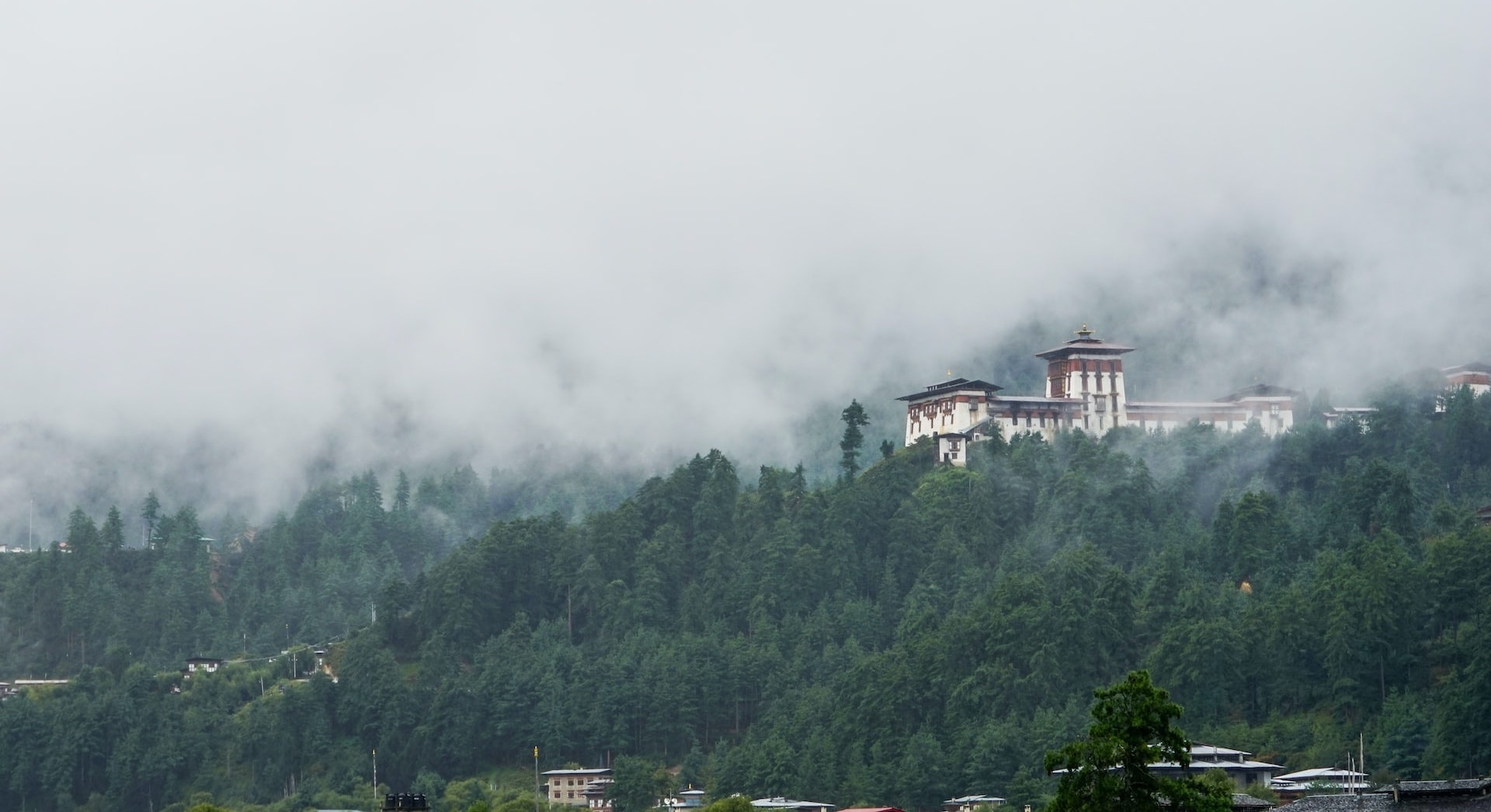
Known for its philosophy of Gross National Happiness, Bhutan offers travellers an opportunity to experience a different rhythm of life. From the iconic Tiger’s Nest Monastery in Paro to the magnificent Punakha Dzong, from the peaceful Phobjikha Valley to the spiritual heartland of Bumthang, every region has its own character and stories.
Whether you are planning a cultural holiday, a Buddhist pilgrimage, a festival journey, a Himalayan trek or a relaxing luxury escape, this guide will help you prepare for Bhutan in 2026 and 2027.
As a Bhutan-based travel agency and Destination Management Company, Ling Travel Bhutan helps travellers organise meaningful journeys with local knowledge, personalised itineraries and reliable travel arrangements.
1. Bhutan at a Glance
- Capital: Thimphu
- Location: Eastern Himalayas, between India and China
- Official language: Dzongkha
- Currency: Bhutanese Ngultrum (Nu.)
- Time zone: Bhutan Time (UTC+6)
- International airport: Paro International Airport
- National philosophy: Gross National Happiness
- Best-known attraction: Paro Taktsang, commonly known as Tiger’s Nest
- Main travel seasons: Spring and autumn
Bhutan is a mountainous country with landscapes ranging from subtropical forests to high Himalayan terrain. Travelling between valleys can take longer than expected because roads wind through mountain passes and changing elevations.
Allow enough time to enjoy the journey rather than treating every day as a race between destinations.
2. Visa and Entry Requirements
Most international visitors need a visa before travelling to Bhutan. Indian nationals require an entry permit instead.
The Bhutan Department of Immigration operates an online visa and permit system. Travellers can apply directly or request assistance from a local tourism service provider.
Standard tourist visa
- One-time visa application fee: USD 40 per person
- The application requires a valid passport, a recent digital photograph and travel information
- The passport should remain valid for at least six months beyond the intended departure date
- Correctly submitted applications are generally reviewed within five working days
Visitors from India
Indian nationals do not require a tourist visa but must obtain an entry permit. An Indian passport or voter identity card is generally required for adults. Different documentation rules apply to children.
Visitors from Bangladesh and the Maldives
Nationals of Bangladesh and the Maldives require a visa and have access to the applicable visa-on-arrival process.
Important: Entry requirements can change. Always confirm the latest requirements with Bhutan’s Department of Immigration before departure.
3. Understanding Bhutan’s Sustainable Development Fee (SDF)
The Sustainable Development Fee contributes to Bhutan’s conservation, cultural preservation and sustainable development priorities.
For international visitors, the published standard rate is:
| Visitor category | SDF per person per night |
|---|---|
| Adult | USD 100 |
| Child aged 6 to under 12 | USD 50 |
| Child under 6 | Exempt |
For Indian visitors:
| Visitor category | SDF per person per night |
|---|---|
| Adult | Nu./INR 1,200 |
| Child aged 6 to under 12 | Nu./INR 600 |
| Child under 6 | Exempt |
The current reduced SDF incentive for international visitors is scheduled through 31 August 2027. Government policy may change, so travellers should check the official rate applicable to their travel dates.
Example: SDF for two adults
For a couple staying in Bhutan for six nights:
- Adult 1: USD 100 × 6 nights = USD 600
- Adult 2: USD 100 × 6 nights = USD 600
- Total SDF: USD 1,200
- Visa fees: USD 40 × 2 = USD 80
Combined SDF and visa fees: USD 1,280.
This example excludes hotels, meals, transportation, guide services, flights and activities.
4. How Much Does a Bhutan Trip Cost in 2027?
The cost of visiting Bhutan depends on several factors, including nationality, length of stay, accommodation category, travel season, group size and preferred experiences.
A well-planned quotation should clearly separate government fees from travel services.
Accommodation estimates
The following are indicative planning ranges, not guaranteed hotel quotations.
| Accommodation | Approximate room rate per night |
|---|---|
| Standard hotels | USD 50 to 100 |
| Mid-range hotels and resorts | USD 100 to 250 |
| Luxury hotels and resorts | USD 300 to 1,000+ |
Actual rates vary according to location, availability, season and room category.
Other expenses to consider
- International and domestic flights
- Accommodation
- Meals and refreshments
- Private vehicle and driver
- Licensed local guide
- Monument and activity entrance fees
- Trekking arrangements
- Visa and SDF payments
- Travel insurance and personal expenses
Why choose a customised tour?
A customised itinerary allows you to choose the destinations, accommodation, pace and experiences that matter most to you.
Ling Travel Bhutan prepares personalised quotations according to your travel dates, group size, interests and budget.
5. Best Time to Visit Bhutan
Bhutan welcomes visitors throughout the year. Each season offers a different experience, and conditions vary considerably with altitude.
Spring: March to May
Spring is one of the most popular seasons. Valleys become colourful with blooming flowers, and the weather is generally pleasant for sightseeing and trekking.
Highlights include:
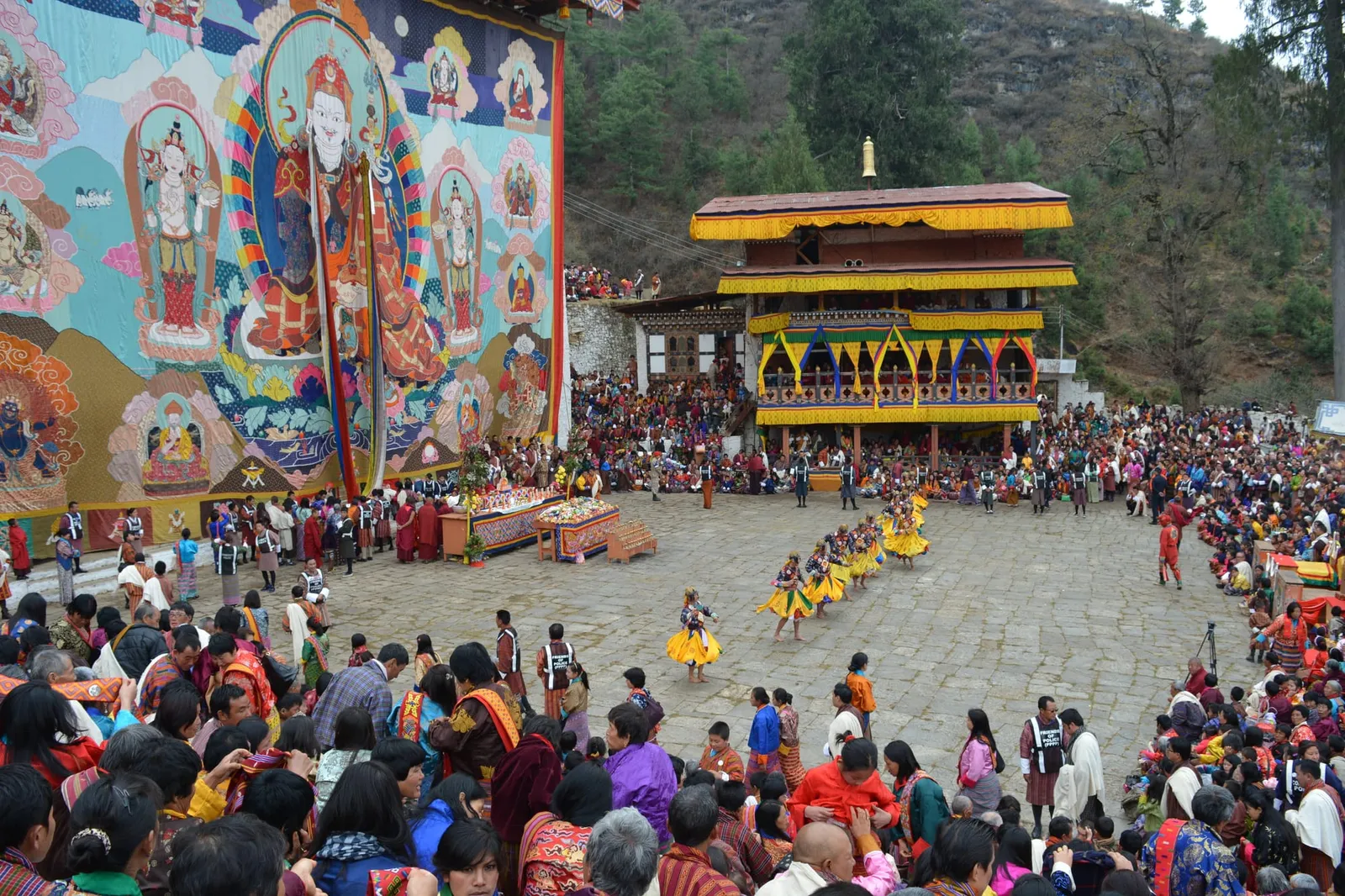
- Paro Tshechu
- Rhododendron forests
- Punakha Valley
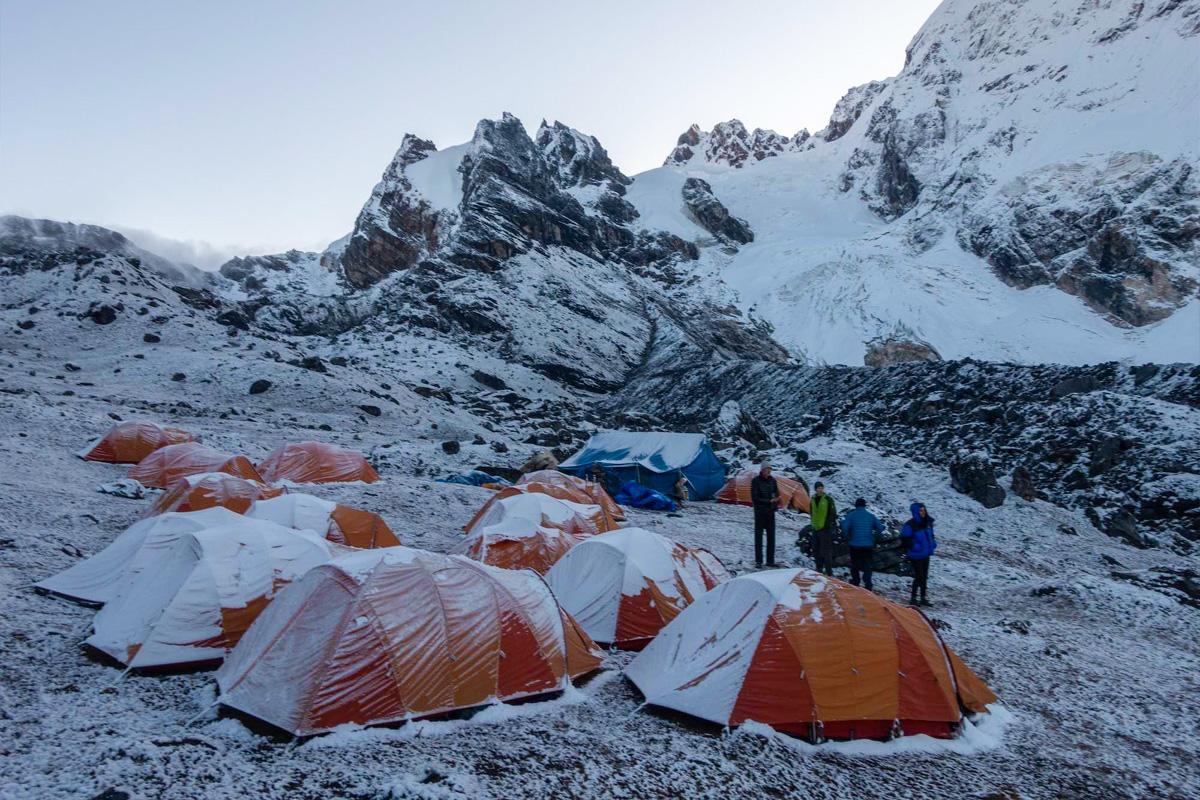
- Jomolhari and Druk Path trekking
- Beautiful mountain scenery
Summer: June to August
Summer brings green landscapes, flowing rivers and quieter travel routes. Rainfall can affect road conditions and outdoor activities.
Highlights include:
- Lush countryside
- Traditional village experiences
- River valleys
- Nimalung and Kurjey festivals
- Photography of Bhutan’s green landscapes
Autumn: September to November
Autumn is another excellent time to visit, with many clear days and important cultural festivals.
Highlights include:
- Thimphu Tshechu
- Jambay Lhakhang Drup
- Golden rice terraces
- Phobjikha Valley
- Arrival of black-necked cranes
Winter: December to February
Winter offers crisp skies, peaceful towns and beautiful mountain views. Higher regions can be very cold, so warm clothing is essential.
Highlights include:
- Black-necked cranes in Phobjikha
- Punakha festivals
- Hot stone bath experiences
- Quiet cultural sightseeing
- Winter photography
Festival dates follow the Bhutanese lunar calendar and change each year. Confirm the dates before booking flights and accommodation.
6. Independent Travel and Local Guides
Visitors can arrange many aspects of their Bhutan holiday independently, including accommodation and visa applications. However, Bhutan has specific tourism regulations, and certain activities require accredited local tourism services.
A certified local guide is required for visitors travelling around the country under the applicable tourism rules. Guides are also required for entry into many dzongs and monuments, and trekking arrangements must follow the relevant regulations.
A local guide can help explain Bhutanese history, religious traditions, architecture and everyday customs in a way that is difficult to discover independently.
With Ling Travel Bhutan, visitors can arrange:
- Visa and entry-permit assistance
- Licensed local guide services
- Private transportation
- Hotel reservations
- Festival and cultural tours
- Trekking and adventure arrangements
- Tailor-made itineraries
7. How to Reach Bhutan
By air
Paro International Airport is Bhutan’s main international airport. International flights are operated by Drukair and Bhutan Airlines.
Depending on flight schedules, visitors can connect through cities such as:
- Delhi
- Kolkata
- Kathmandu
- Bangkok
- Singapore
- Dhaka
Flight schedules and routes may change. Check current availability before confirming your itinerary.
By land
Bhutan shares its southern border with India. The main tourist entry points include:
Phuentsholing is a popular gateway for visitors travelling from West Bengal and other parts of India.
8. Getting Around Bhutan
Bhutan’s mountainous terrain makes road journeys an important part of the travel experience.
Most sightseeing journeys are organised using private vehicles with experienced drivers. Depending on the itinerary and group size, travellers may use an SUV, car, van or larger tourist vehicle.
Popular road routes include:
- Paro to Thimphu
- Thimphu to Punakha
- Punakha to Phobjikha
- Phobjikha to Trongsa
- Trongsa to Bumthang
Allow sufficient time for mountain journeys, rest stops and sightseeing along the way.
9. Best Places to Visit in Bhutan
Paro
Paro is home to Bhutan’s international airport and some of its most celebrated historical landmarks.
Highlights include:
- Tiger’s Nest Monastery (Paro Taktsang)
- Rinpung Dzong
- National Museum of Bhutan
- Kyichu Lhakhang
- Drukgyel Dzong
The hike to Tiger’s Nest is one of Bhutan’s most memorable experiences, offering spectacular views of the monastery built into a steep mountainside.
Thimphu
Thimphu is Bhutan’s capital and a centre of culture, administration and contemporary Bhutanese life.
Highlights include:
- Buddha Dordenma
- Tashichho Dzong
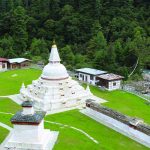
- National Memorial Chorten
- Folk Heritage Museum
- Royal Textile Academy
- Centenary Farmers Market
Punakha
Punakha is known for its warm climate, fertile valley and magnificent riverside architecture.
Highlights include:
- Punakha Dzong
- Chimi Lhakhang
- Khamsum Yulley Namgyal Chorten
- Punakha Suspension Bridge
- Mo Chhu and Pho Chhu river valleys
Phobjikha Valley
Phobjikha is a peaceful glacial valley known for its natural beauty and seasonal black-necked cranes.
Highlights include:
- Gangtey Monastery
- Black-Necked Crane Information Centre
- Nature trails
- Traditional villages
- Scenic valley viewpoints
The cranes generally arrive during the colder months, making late autumn and winter especially rewarding.
Bumthang
Often described as the spiritual heartland of Bhutan, Bumthang is home to important temples, monasteries and sacred places.
Highlights include:
- Jambay Lhakhang
- Kurjey Lhakhang
- Tamshing Lhakhang
- Jakar Dzong
- Mebar Tsho
- Ura Valley
Trongsa
Trongsa holds an important place in Bhutan’s history and monarchy.
Highlights include:
- Trongsa Dzong
- Ta Dzong Museum
- Mountain viewpoints
- Traditional settlements
Haa Valley
Haa offers peaceful villages, beautiful mountain scenery and a quieter side of western Bhutan.
Highlights include:
- Lhakhang Karpo
- Lhakhang Nagpo
- Chele La Pass
- Traditional villages
10. Experience Bhutan’s Festivals
Bhutanese festivals, known as Tshechus, are important religious and cultural celebrations.
They feature sacred mask dances, traditional music, colourful costumes and gatherings of local communities. Many dances are associated with Guru Rinpoche, who played a central role in bringing Buddhism to Bhutan.
Popular festivals include:
- Paro Tshechu
- Thimphu Tshechu
- Punakha Drubchen and Tshechu
- Jambay Lhakhang Drup
- Wangdue Phodrang Tshechu
- Gomphu Kora
- Haa Summer Festival
- Black-Necked Crane Festival
Festival dates change each year according to the Bhutanese lunar calendar. Booking early is recommended for popular festival periods.
11. Trekking and Adventure in Bhutan
For travellers who enjoy the outdoors, Bhutan offers remarkable mountain landscapes and trekking routes.
Popular trekking experiences include:
- Druk Path Trek
- Jomolhari Trek
- Dagala Thousand Lakes Trek
- Snowman Trek
- Bumthang cultural trekking routes
Other experiences include mountain biking, nature walks, river rafting where conditions permit, birdwatching and scenic photography.
Trekking requires proper preparation, suitable equipment and arrangements through an accredited operator or guide.
12. Buddhist Pilgrimage and Spiritual Journeys
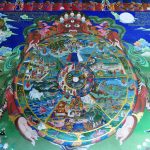
Bhutan is deeply connected with Vajrayana Buddhism. Its monasteries, temples, sacred lakes and meditation sites provide meaningful experiences for visitors interested in Buddhist culture.
Places of spiritual significance include:
- Paro Taktsang
- Kyichu Lhakhang
- Kurjey Lhakhang
- Jambay Lhakhang
- Mebar Tsho
- Chimi Lhakhang
- Punakha Dzong
Ling Travel Bhutan can arrange Buddhist pilgrimage journeys, monastery visits and cultural experiences with knowledgeable local guides.
13. Where to Stay in Bhutan
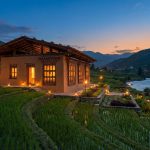
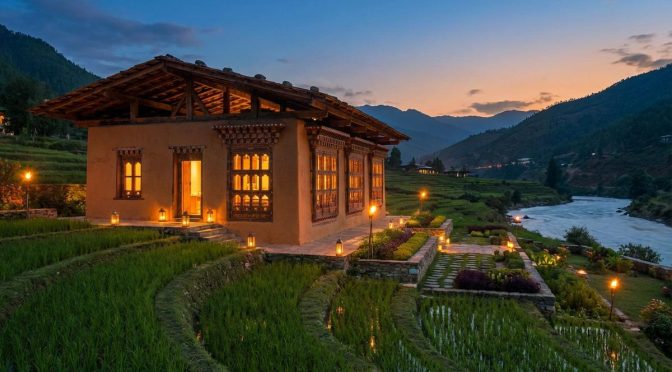
Accommodation ranges from comfortable hotels to luxury resorts and traditional farmhouse stays.
- Three-star hotels: suitable for travellers seeking comfort and good value
- Four-star hotels and resorts: offer additional facilities, comfort and scenic settings
- Five-star resorts: provide premium hospitality, wellness facilities and distinctive experiences
- Farmhouse stays: offer opportunities to experience rural life, traditional food and local hospitality
For spring and autumn travel, particularly during major festivals, early reservations are recommended.
14. Bhutanese Food and Dining
Bhutanese cuisine is known for its distinctive flavours and use of chillies, cheese, vegetables and locally grown ingredients.
Popular dishes include:
- Ema Datshi: chillies cooked with cheese
- Kewa Datshi: potatoes with cheese
- Shakam Paa: dried beef cooked with chillies
- Phaksha Paa: pork with chillies
- Jasha Maru: spicy chicken dish
- Red rice: a traditional Bhutanese staple
Vegetarian, vegan and other dietary preferences can be communicated in advance so that suitable meals can be arranged.
15. Bhutanese Culture and Travel Etiquette
Bhutan places great importance on respect for religious traditions, cultural heritage and the natural environment.
A few simple practices will make your visit more meaningful.
What to do
- Dress modestly when visiting temples and monasteries
- Remove your shoes when required
- Walk clockwise around stupas and religious structures
- Ask permission before photographing people
- Follow your guide’s instructions at sacred places
- Respect local customs and traditions
What to avoid
- Touching religious statues or sacred objects without permission
- Disturbing prayer ceremonies
- Leaving litter in natural areas
- Photographing restricted areas
- Behaving disrespectfully at religious sites
A friendly greeting you may hear is “Kuzuzangpo La,” a polite way to say hello.
16. What to Pack for Bhutan
Your packing list should reflect the season and destinations on your itinerary.
Clothing
- Comfortable walking clothes
- Long trousers and modest clothing for temples
- Warm jacket and sweaters
- Trekking shoes or comfortable walking shoes
- Thermal clothing for winter
Travel essentials
- Passport and visa or permit documents
- Travel insurance
- Camera and phone
- Sunglasses and sunscreen
- Personal medication
- Reusable water bottle
- Power adapter
If your itinerary includes high-altitude trekking, prepare additional clothing and equipment according to the route and season.
17. Suggested Bhutan Itineraries
The following are starting points that can be adjusted to your travel dates and interests.
5 Days / 4 Nights: Essential Western Bhutan
Paro, Thimphu, Punakha, and return to Paro.
7 Days / 6 Nights: Classic Bhutan Experience
Paro, Thimphu, Punakha, Phobjikha, and return to Paro.
10 Days / 9 Nights: Cultural Bhutan Journey
Paro, Thimphu, Punakha, Phobjikha, Trongsa, and Bumthang.
14 Days: Western and Central Bhutan
Paro, Thimphu, Haa Valley, Punakha, Phobjikha, Trongsa, and Bumthang.
Longer itineraries allow more time for local experiences, village visits and scenic stops.
18. Why Travel with Ling Travel Bhutan?
Ling Travel Bhutan is a Bhutan-based travel agency and Destination Management Company in Thimphu.
Our aim is to make every journey comfortable, meaningful and memorable through local knowledge and personalised travel planning.
Our services include:
- Private and group Bhutan tours
- Cultural and heritage journeys
- Tshechu and festival tours
- Trekking and adventure holidays
- Buddhist pilgrimage tours
- Luxury and honeymoon holidays
- Family holidays
- Wellness and yoga experiences
- Hotel and resort reservations
- Licensed guide and private transport arrangements
- Visa and SDF assistance
- Flight and travel arrangements
We believe that discovering Bhutan should be more than visiting famous landmarks. It should be an opportunity to understand the country’s people, traditions, spirituality and natural beauty.
19. Frequently Asked Questions
How many days should I spend in Bhutan?
Five to seven days is a good starting point for western Bhutan. Ten to fourteen days allows you to explore central Bhutan and experience a more varied itinerary.
Is Bhutan expensive to visit?
Your budget depends on accommodation, transport, meals, activities and the applicable SDF. A customised quotation is the best way to understand the total cost.
Can I visit Bhutan without a tour operator?
Visitors can make independent arrangements for certain travel services. However, applicable guide and tourism regulations must be followed. Trekking and visits to many religious monuments require accredited guide services.
What currency is used in Bhutan?
The Bhutanese Ngultrum (Nu.) is the national currency. Indian rupees are also accepted in many places, subject to applicable restrictions.
Is Bhutan suitable for families?
Yes. Family journeys can include cultural sightseeing, gentle walks, traditional activities, nature experiences and comfortable accommodation.
Can Ling Travel Bhutan customise my itinerary?
Yes. We can prepare itineraries based on your travel dates, group size, budget, accommodation preferences and interests.
Plan Your Bhutan Journey with Ling Travel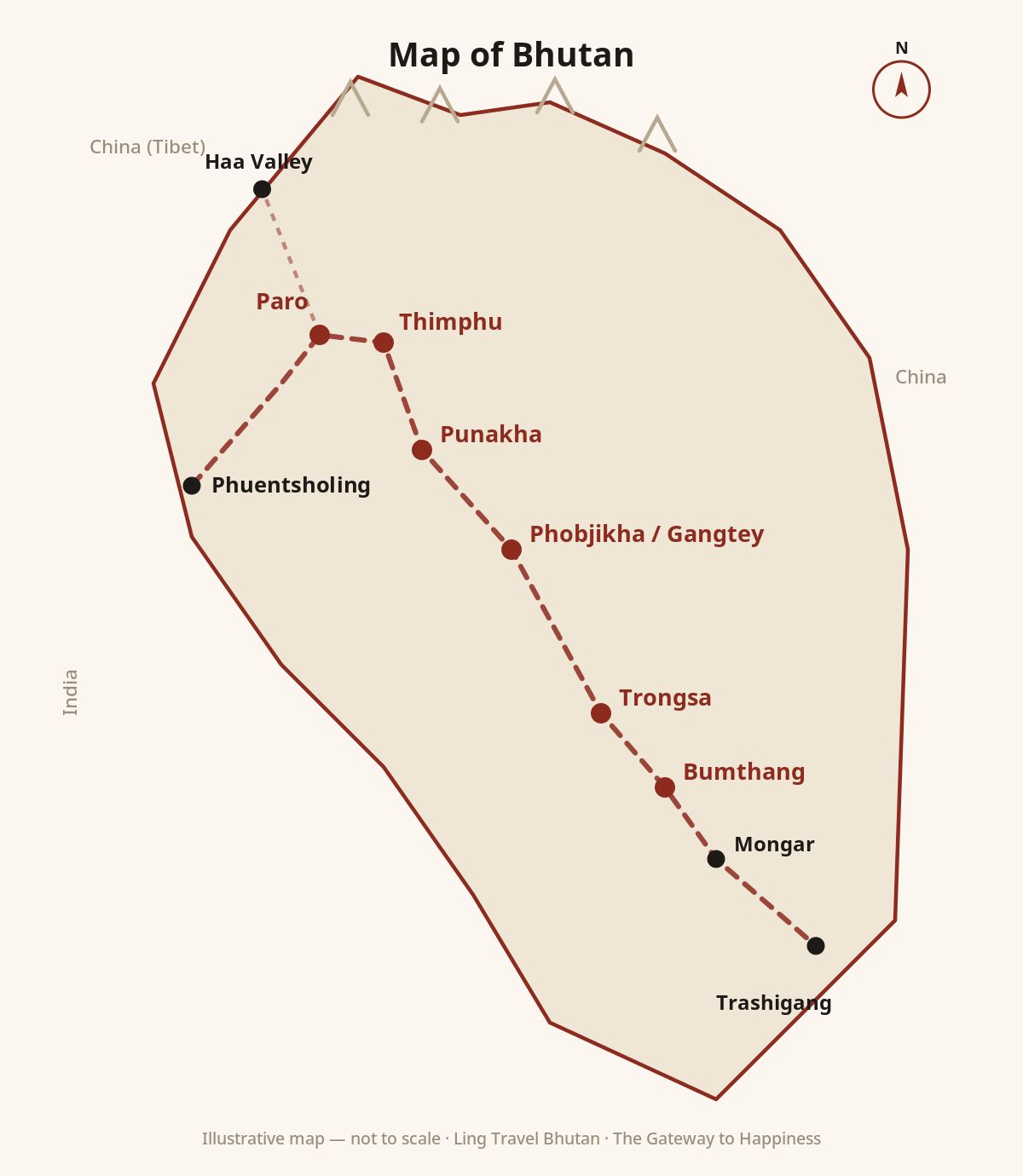 Bhutan
Let the mountains, monasteries, festivals and welcoming communities of Bhutan become part of your next travel experience.History of Bhutan: Discover the Land of the Thunder Dragon
Whether you are dreaming of a cultural holiday, a Himalayan adventure, a spiritual pilgrimage or a relaxing journey through peaceful valleys, Ling Travel Bhutan is ready to help you plan.
Ling Travel Bhutan – Your Trusted Bhutan Travel Partner
The Gateway to Happiness
Website: https://lingtravelbhutan.com/
Email: lingtravelbhutan@gmail.com
WhatsApp: +975 7717 7166
Location: Thimphu, Bhutan