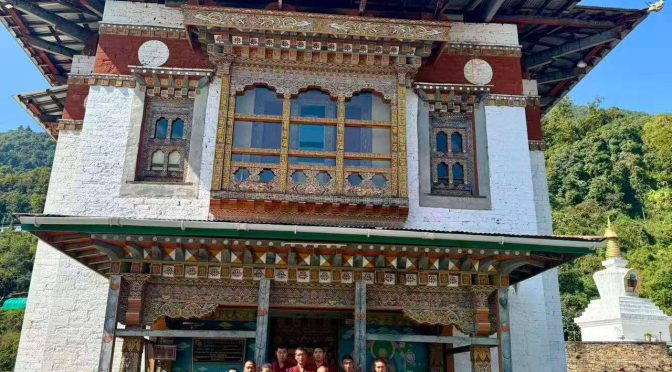
Tashi Choling Lhakhang: The Hidden Spiritual Heart of Trongsa

Where prophecy, craftsmanship, and Himalayan quiet converge

Introduction: A Temple at the Heart of Bhutan
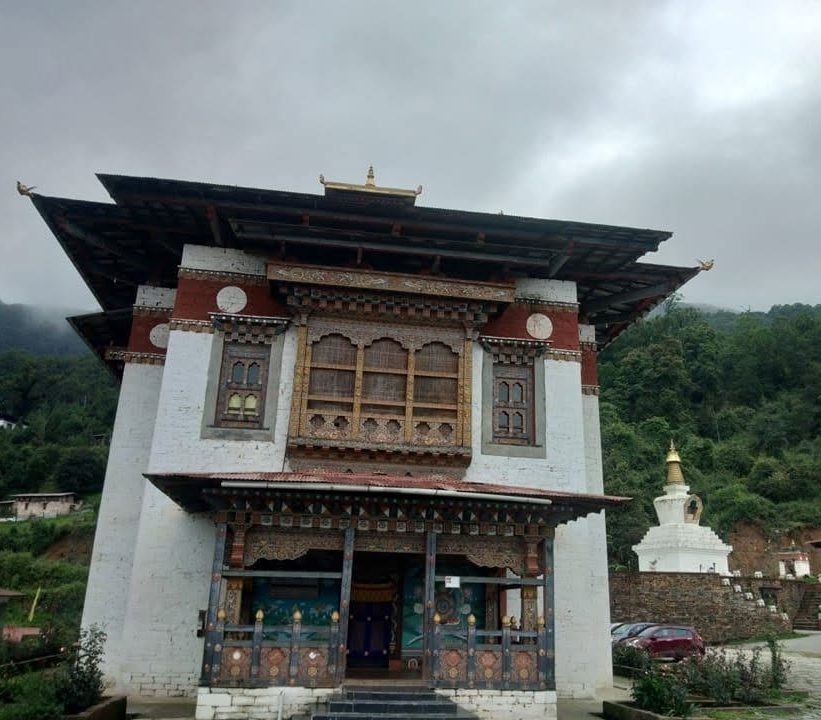
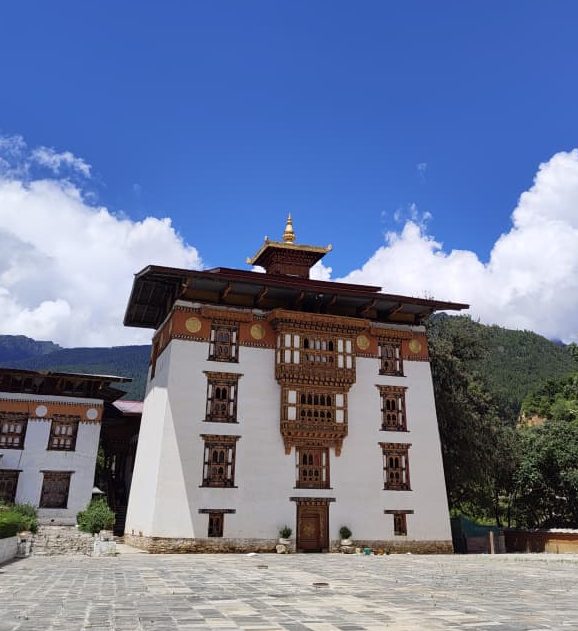
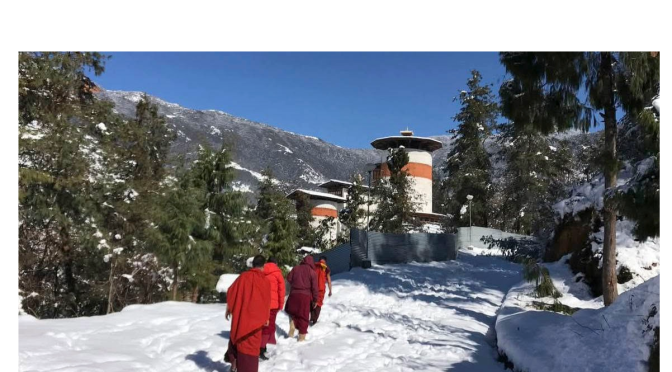
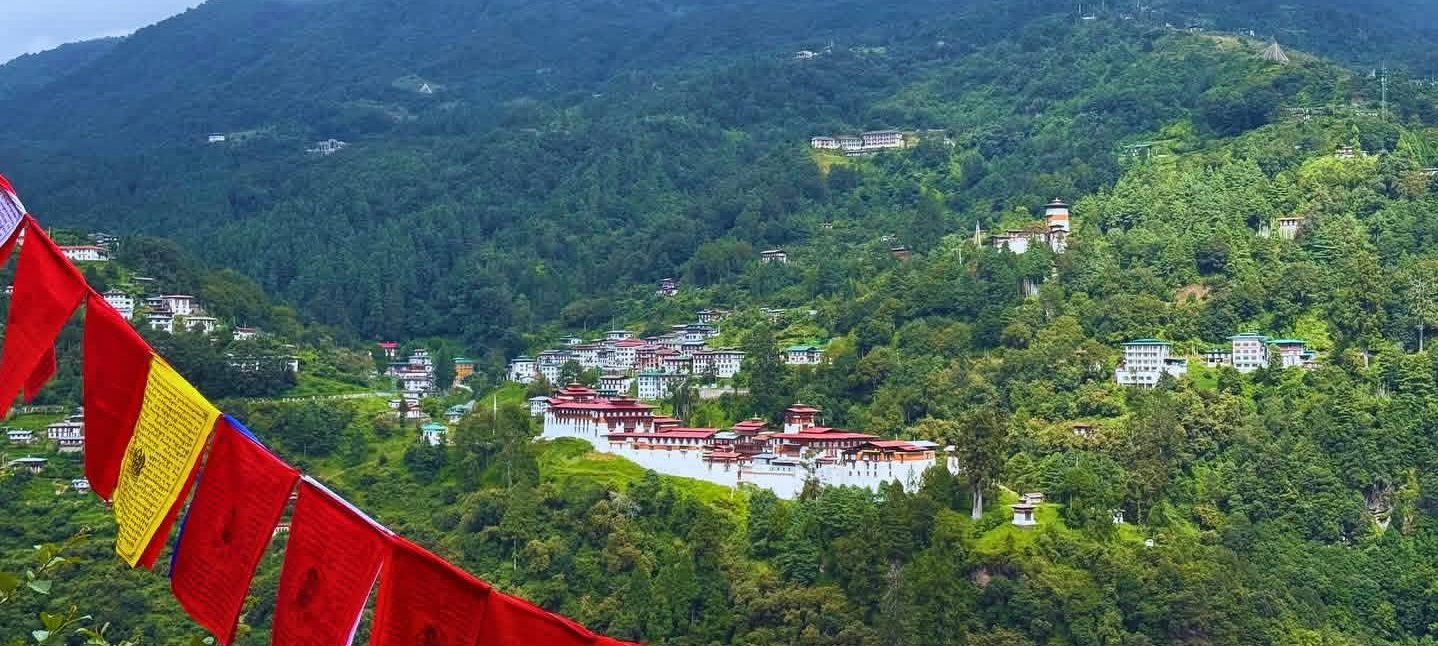
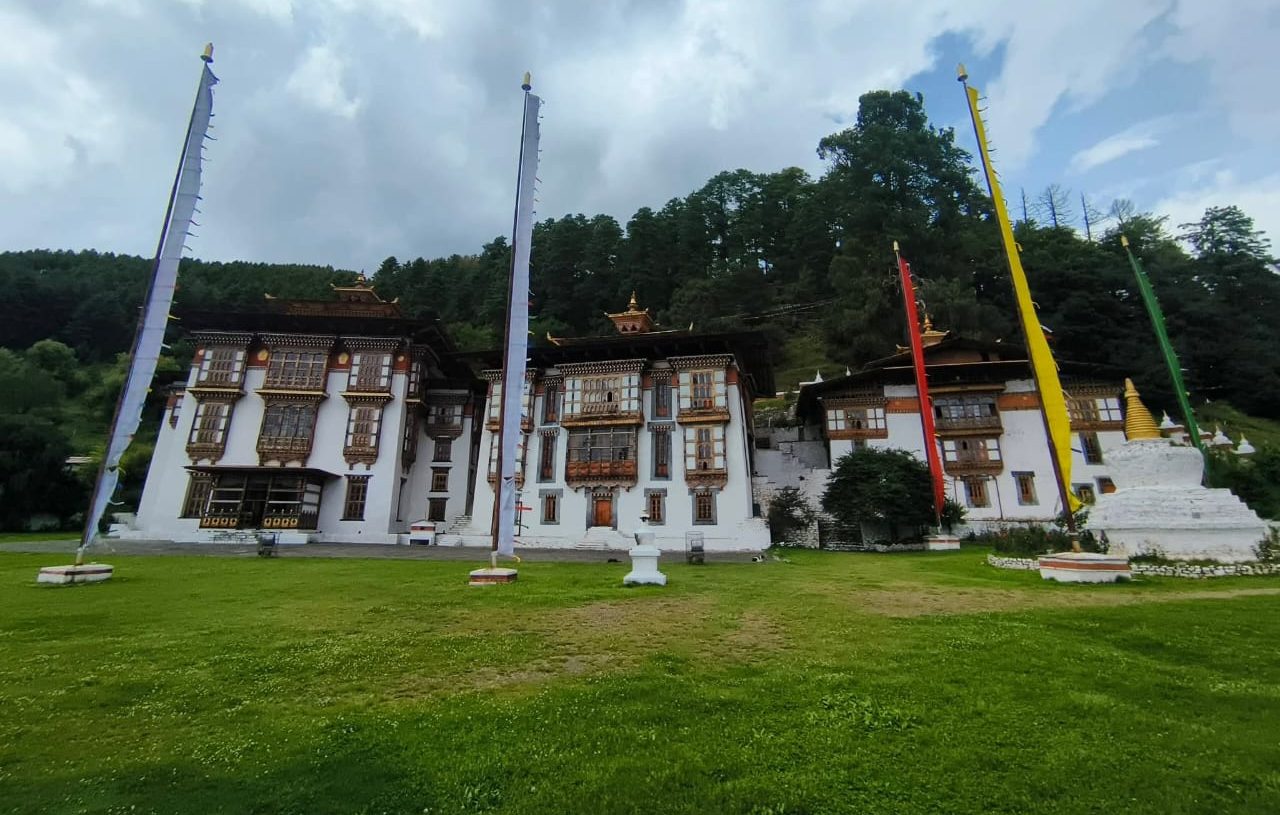
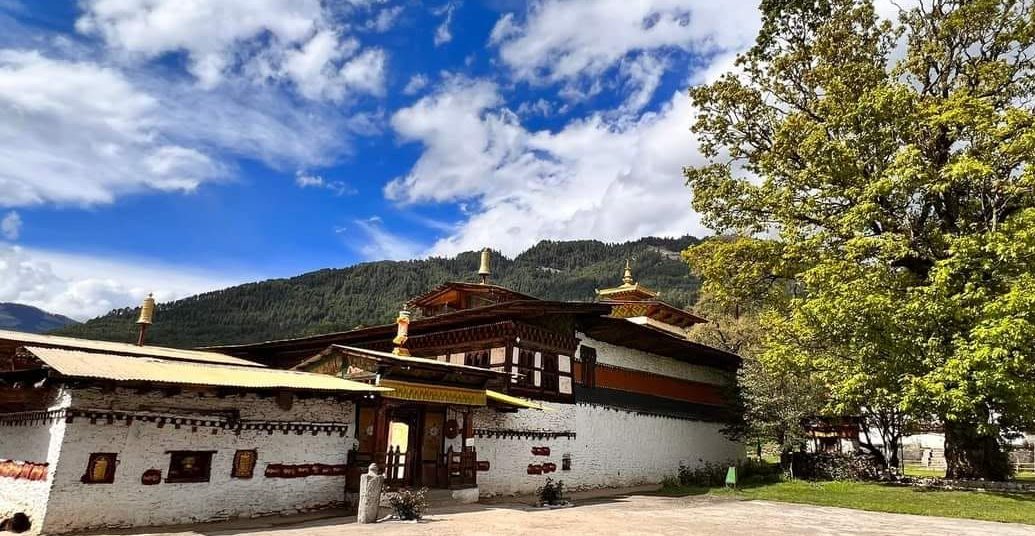
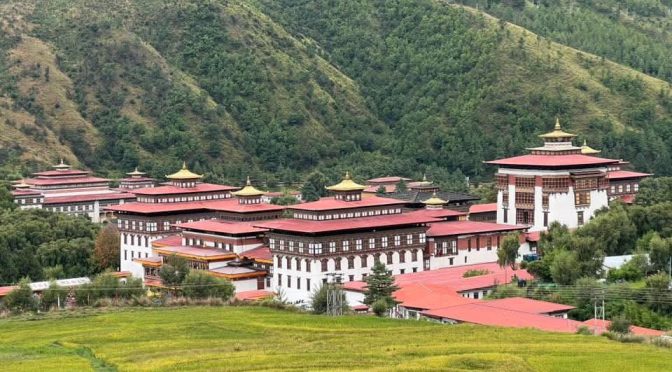
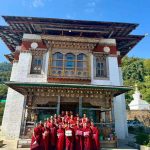
Most travelers passing through Trongsa pause at the great dzong that crowns the ridge above the Mangde Chhu valley. But just 20 minutes down the road, beneath the Trongsa–Thimphu highway, lies a modest village temple with a distinction no other site in Bhutan can claim: it stands at the geographical center of the kingdom, and it was built to keep the entire country in spiritual balance.

Welcome to Tashi Choling Lhakhang in Tashiling village—a place where a 20th-century prophecy became a 21st-century temple, and where young monks now train to preserve Bhutan’s most sacred artistic traditions.

If you’re looking for an experience that moves beyond photography and into the living story of Bhutan, this is where your journey deepens.

A Prophecy at the Center of the Kingdom

The story of Tashi Choling Lhakhang begins with Polo Khen Rinpoche Thubten Kuenga Gyeltshen (1896–1970), one of Bhutan’s most revered Dzogchen masters.
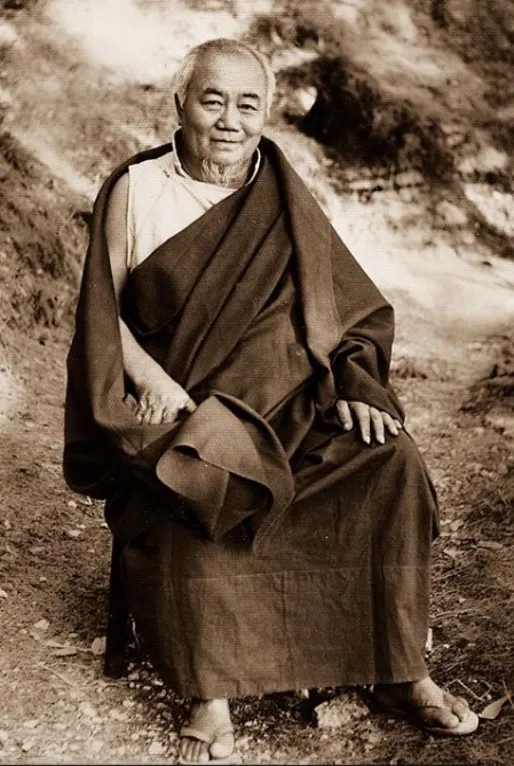
During a visit to Taktse Lhakhang in Trongsa, Rinpoche looked across the valley toward Tashiling and asked about a simple traveler’s shelter resting on the hillside. When he learned the place had no particular owner—only a resting spot for highway travelers—he revealed something extraordinary.

Rinpoche explained that the site was sa nyan, a spiritually sensitive place inhabited by three classes of spirits:

  • Lu (serpent spirits)
  • Tsen (local deities)
  • Dud (demons)

All were said to dwell together upon a sandalwood tree at the site. Yet rather than warning people away, Rinpoche identified the location as the authentic geographical center of Bhutan.

His vision was clear: Build a two-storey temple here. Enshrine a statue of Avalokiteshvara (Chenrezig), the bodhisattva of compassion. Do this, he said, and the temple would pacify misfortune across the southern land of medicinal herbs, allowing the kingdom to enjoy peace and happiness for generations.

This was not merely a suggestion for a new village chapel—it was a proposal to anchor the spiritual well-being of an entire nation at its very center.

Decades of Patience: From Vision to Reality

Prophecies, however, do not build themselves.

Lama Ghanapati accepted the responsibility of fulfilling Rinpoche’s vision, but the path was long. In 1998, he approached Lyonchen Jigme Yoezer Thinley, but support was not available. The vision waited.

Eventually, Lama Ghanapati presented the full history to the 70th Je Khenpo, Trulku Jigme Choeda. The response was direct: Appear before His Holiness in person. When Lama Ghanapati did so, the Je Khenpo provided the guidance and instructions needed to proceed.

In April 2002, His Majesty the Fourth King approved the proposal, coordinated by the Je Khenpo and Lama Tshering Wangdue. After decades of waiting, the prophecy could finally take shape.

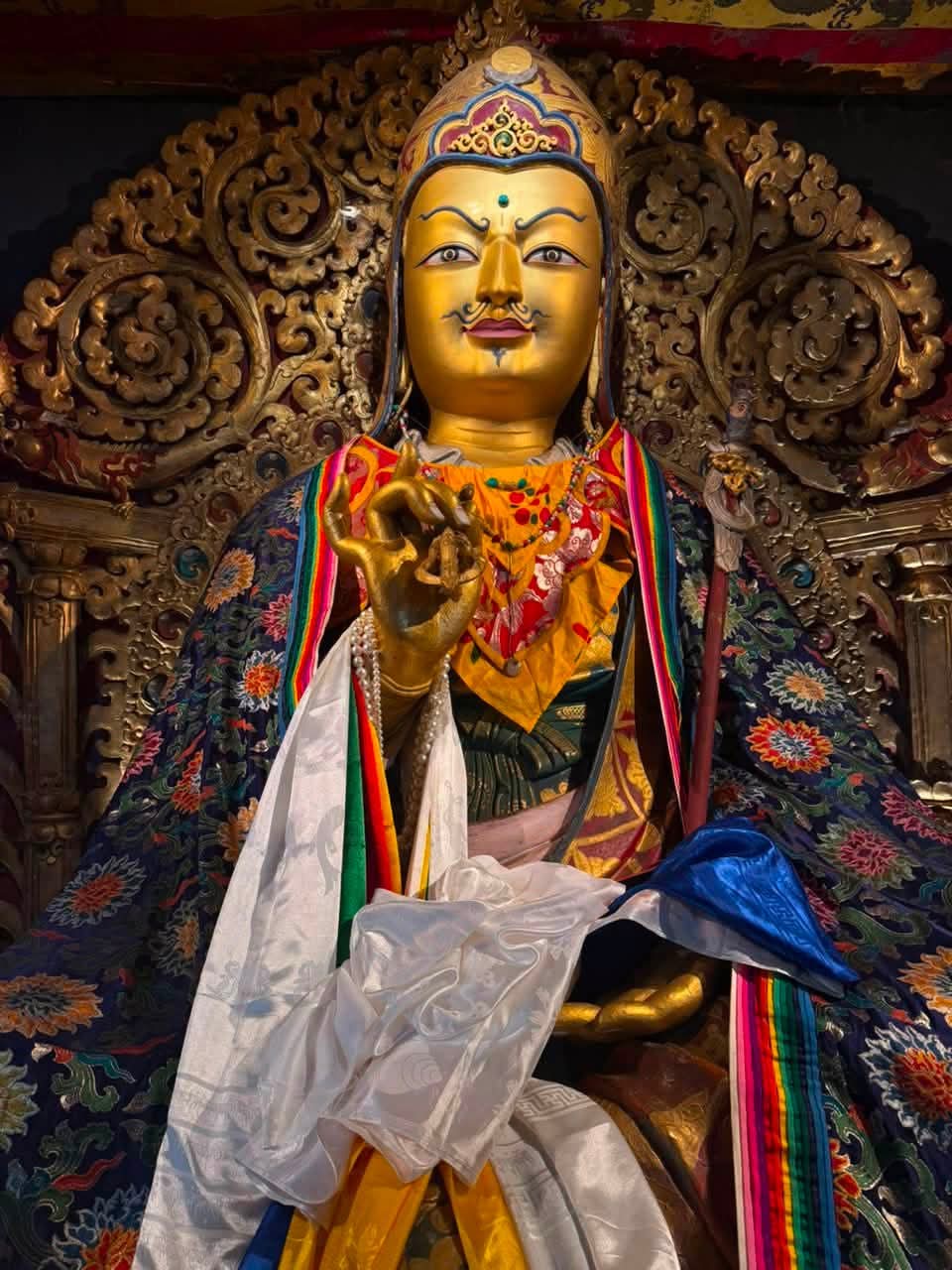
Construction began in 2003. Five years later, in 2008, the temple was completed—rising two storeys in traditional Bhutanese style, crowned by a thirty-foot statue of the Thousand-Armed, Thousand-Eyed Avalokiteshvara.

The Je Khenpo, together with the Lam Neten and monks of Choetse Rabdey, consecrated the temple. A story that had begun with a master’s gaze across a valley had finally become stone, timber, and sacred image.

Where Monks Become Guardians of Bhutan’s Arts

But Tashi Choling’s story did not end with consecration—it entered a new chapter.

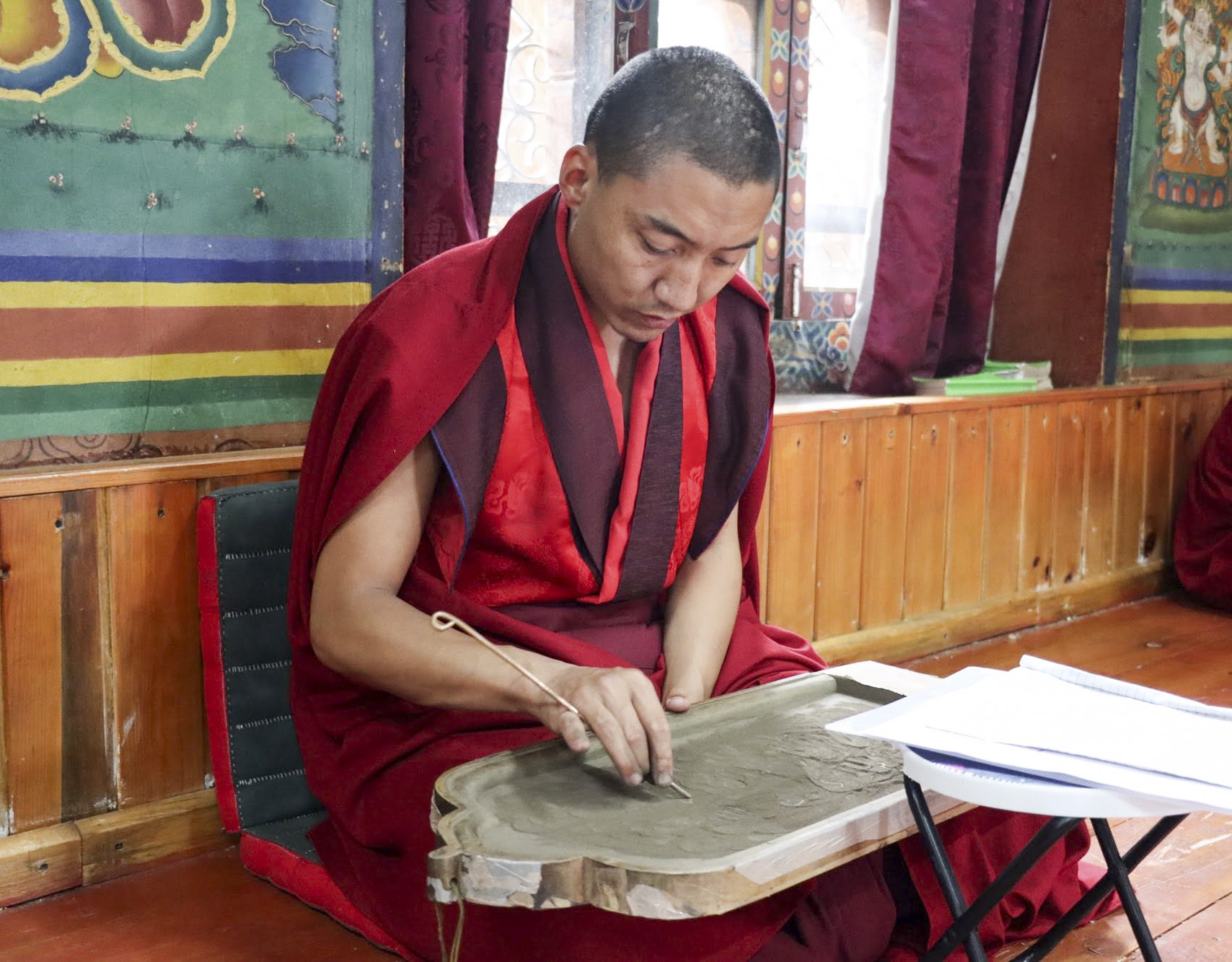
His Majesty the Fourth King instructed the Trongsa monk body to establish a Training Center of Fine Arts, where monks could learn:

  • Religious calligraphy
  • Carving and sculpture
  • Sewing and textile arts
  • Mandala drawing
  • Theory of Buddhist religious fine arts
  • Lhendup (patchwork thangka)

After observing the program’s success, His Majesty directed that the center become a permanent institution in 2009. Tashi Choling Lhakhang was identified as the ideal site in 2010, and on 8 May 2011, the Je Khenpo inaugurated both the temple and the training center.

Today, Tashi Choling is one of the most distinctive cultural sites in central Bhutan—not only a sacred space, but a living academy of tradition.

The 13 Arts, Alive in a Monastic Classroom

The center teaches within the framework of Zorig Chusum, Bhutan’s thirteen traditional arts. The 6-year program leads to a Bachelor of Fine Arts (BFA). Admission normally requires a Class 10 certificate or completion of basic monastic schooling, along with a teacher’s recommendation.
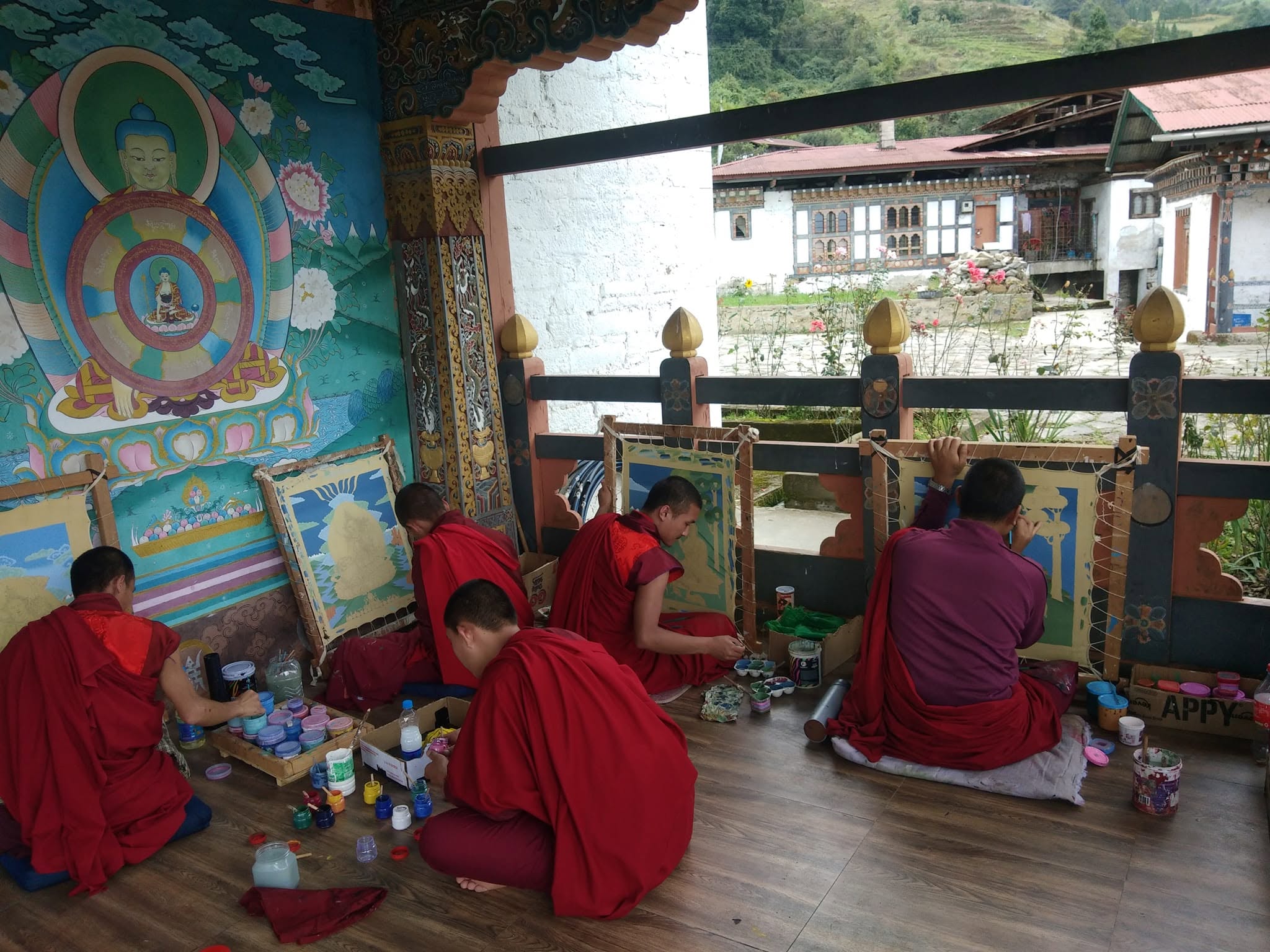
What began with 40 monks from Trongsa Dzong has now opened to monks from all 20 dzongkhags of Bhutan. The center currently teaches 48 monk students under six teachers and one supervisor, fully supported by the Dratsang Lhentshog (Central Monk Body).

For visitors, this means Tashi Choling is not a monument frozen in time—it is a place where young monks are actively learning the precise arts that adorn every dzong, lhakhang, and sacred text in the kingdom. The craftsmanship you admire across Bhutan is being transmitted here, in real time, to the next generation.

Why Tashi Choling Belongs on Your Itinerary

Tashi Choling Lhakhang will not appear on every standard sightseeing list. That is precisely why it matters.

What You Will Find What Makes It Special
Spiritual depth A temple founded on a prophecy to protect the entire kingdom
Living tradition Active monastic community, not a museum
Craftsmanship in action Monks training in Bhutan’s sacred fine arts
Intimate setting Village atmosphere, away from the busiest tourist trails
Accessible location Just 30 minutes from Trongsa town, below the highway
Meaningful travel A place that rewards curiosity and slow attention

The temple invites you to ask different questions. Not simply “What can I photograph?” but:

  • Why was this particular hillside considered the spiritual center of a nation?
  • What does it mean to build a temple to pacify misfortune across an entire kingdom?
  • How does a monk’s training in thangka sewing or religious carving become an act of faith?

These questions transform a brief stop into a genuine cultural encounter.

How to Visit Tashi Choling Lhakhang

📍 Location & Access

  • Where: Tashiling village, Tangsibji Gewog, Trongsa Dzongkhag—just below the Trongsa–Thimphu highway.
  • Distance from Trongsa town: Approximately 23 km (30 minutes by road).
  • Best experienced: As part of a central Bhutan journey, combined with Trongsa Dzong, the Ta Dzong museum, and onward travel toward Bumthang.

 What to Bring

  • Respectful attire (shoulders and knees covered).
  • Comfortable walking shoes.
  • An openness to observing monastic life quietly.

 Photography Tips

Always ask permission before photographing monks or interior religious spaces.

A Different Rhythm of Discovery

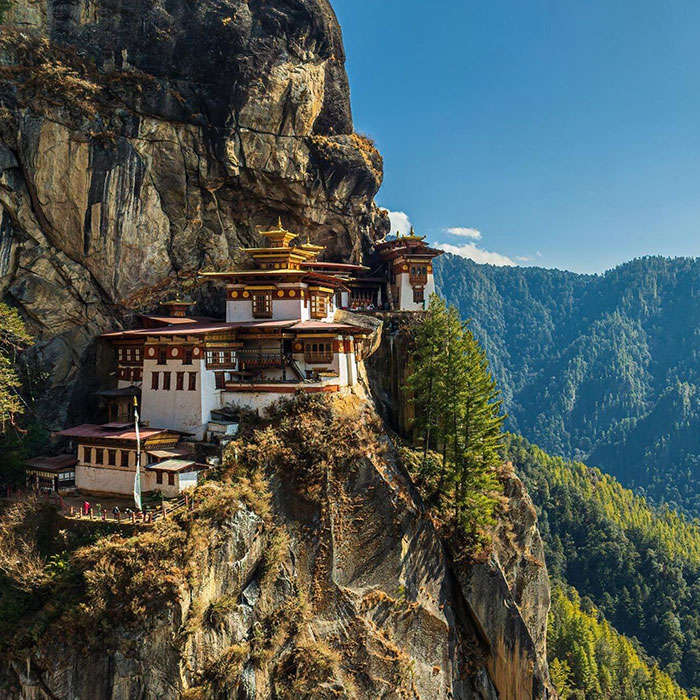
Bhutan’s most famous sites—the Tiger’s Nest clinging to its cliff, the grandeur of Punakha Dzong, the bustle of Thimphu—deserve their renown. But some of the kingdom’s most meaningful experiences live in quieter places, where village homes, monastic quarters, and centuries-old tradition converge.

Tashi Choling Lhakhang is one of those places.

It carries:

  • The vision of a Dzogchen master who saw spiritual significance in an ordinary hillside shelter.
  • The decades-long patience of Lama Ghanapati, who refused to let a prophecy fade.
  • The thirty-foot gaze of Avalokiteshvara, watching over the kingdom from its heart.

Experience Tashi Choling with Ling Travel Bhutan

At Ling Travel Bhutan, we specialize in curating authentic, off-the-beaten-path experiences like Tashi Choling Lhakhang. Whether you’re seeking a cultural tour, spiritual journey, or cycling adventure, we can help you discover the hidden heart of Bhutan.

🌟 Ready to Explore Tashi Choling Lhakhang?

Contact Ling Travel Bhutan today to start planning your customized Bhutan adventure!


 Plan Your Trip with Ling Travel Bhutan

Explore our handcrafted itineraries that include Tashi Choling Lhakhang:

Share Your Thoughts

Have you visited Tashi Choling Lhakhang? Share your experience in the comments below!

Planning a trip to Bhutan? Check out our other blogs on Bhutan’s Hidden Gems or Central Bhutan Itineraries.


Experience an Astrology Reading in Bhutan

Bhutanese Culture

Experience an Astrology Reading in Bhutan

Discover the Mystical World of Buddhist Astrology

☸️

Pangri Zampa Monastery

“In a past life you were in the God realms.”

Peering intently at the charts spread before him, while carefully tracing lines of text with his fingers, Namgang delivered his verdict with the calm certainty of someone accustomed to reading the invisible threads of a life.

I decided immediately that this was the kind of fortune reading I liked.

For visitors from Europe, North America and other parts of the Western world, astrology can often seem like an entertaining curiosity—a harmless piece of superstition to enjoy while travelling. In Bhutan, however, astrology occupies a very different place in society. Here, it is intertwined with Buddhism, daily life, important decisions and the passage from birth to death.

Whether you arrive as a believer, a sceptic or simply a curious traveller, an astrology reading offers a fascinating window into Bhutanese culture. For travellers walking the Trans Bhutan Trail, it can become one of the most memorable experiences along the way—not because you necessarily believe everything you are told, but because for a short while you are invited to see life through a distinctly Bhutanese lens.

What Is Bhutanese Buddhist Astrology?

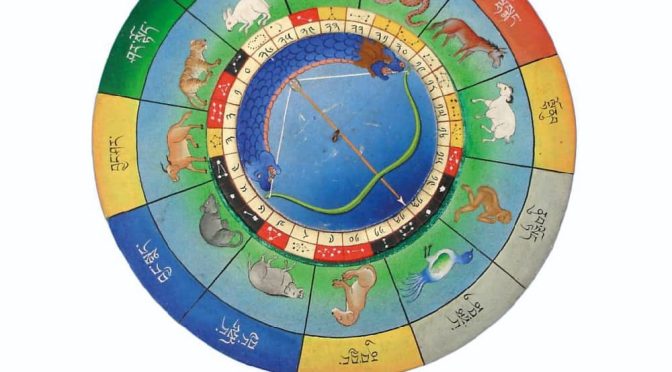
Bhutanese astrology is influenced by both Hindu and Chinese astrological traditions and forms an important part of Tibetan Buddhist culture. Rather than being treated simply as entertainment, astrology serves as a practical guide through some of life’s most significant milestones.

An astrological reading may be consulted when deciding when to marry—and sometimes whom to marry. It can indicate an auspicious time to begin a journey, move to a new home, change employment or embark on an important undertaking. The influence can even extend into the seemingly ordinary details of everyday life, such as determining the most favourable time for a haircut.

The relationship begins at birth. Almost every newborn child in Bhutan receives an astrological reading, and the astrologer determines an auspicious name. That original reading is then kept as a reference throughout the person’s life, continuing to inform important decisions well into adulthood.

Annual readings are also common. At the beginning of each year, people may consult an astrologer to learn what the coming months might hold. The significance of astrology is such that its influence can even reach national life—at the end of the evening news on Bhutanese state television, astrologers make announcements concerning auspicious times for significant events, both for individuals and for the country as a whole.

Did You Know? A 2018 report published in the Bhutan Medical Journal recommended that patients obtain astrological guidance when determining an auspicious moment for major surgery. Within Bhutanese culture, astrology exists alongside other forms of knowledge rather than replacing them.

Fifteen Years to Become an Astrologer

The calculations involved in Tibetan Buddhist astrology are anything but simple. Each year the local abbot of every district selects a small number of monks to come and study astrology. Typically, only a couple of monks are chosen.

Becoming a qualified astrologer can take as long as fifteen years, and the monks selected for the programme are generally those considered capable of mastering the complicated calculations involved. Even then, not everyone completes the course. According to Namgang, around half of the candidates eventually find the training too difficult and leave before finishing.

That detail changes the way you might look at the monk sitting across from you during an astrology reading. What may initially appear to be an intriguing curiosity for a traveller represents years of disciplined study for the person performing the calculations.

Where Can You Get an Astrology Reading?

You do not have to travel far to find an astrologer in Bhutan. Virtually every town encountered along the Trans Bhutan Trail, as well as many villages, has a resident astrologer. Foreign visitors are generally welcome to request a reading, and you do not need to be Buddhist to take part.

But if you want to experience astrology in one of Bhutan’s most significant centres, there is perhaps no better place than Pangri Zampa, a large monastery complex approximately nine kilometres north of Thimphu.

Pangri Zampa

Bhutan’s Centre of Astrology

  • •Founded more than 500 years ago by Ngawang Chögyal (1465–1540), originally known as Druk Phodrang, the “Castle of the Dragon”
  • •In 2003, declared Bhutan’s one and only educational institute dedicated to Bhutanese astrology
  • •Responsible for releasing Bhutan’s official Lunar Calendars each year and determining dates for national occasions
  • •The auspicious moment for the coronation of Bhutan’s fifth king, royal weddings, and the Crown Prince’s naming ceremony was all determined here
  • •Hosts a nine-day ritual each year for the wellbeing of all sentient beings and the peace and prosperity of Bhutan

What Happens During a Reading?

If you want to visit an astrologer in Bhutan, it is sensible to ask your guide to arrange an appointment in advance. When you arrive at a monastery such as Pangri Zampa, the experience itself can feel slightly mysterious.

Astrology readings are conducted by monks. Your astrologer may lead you through a dimly lit corridor into a small side room, or, if fortune is on your side, into a larger chapel filled with beautiful Tibetan Buddhist iconography. There is no theatrical crystal ball—instead, there are charts, calculations, texts and a monk carefully working through the information in front of him.

1. Share Your Details

Your astrologer will ask for your date, time and place of birth. He may also request the same information for your parents.

2. Consult the Datho

The monk consults a work of astrology known as the Datho—today, this may be a modern app or a traditional book.

3. Discover Your Reading

Learn your birth animal, lucky number, favourable and unfavourable days, good periods for new projects, and auspicious times for health matters.

4. Explore Past & Future Lives

The astrologer may discuss your past lives and possible future lives, with guidance on navigating what lies ahead.

Timing: A straightforward reading usually takes around 20 to 30 minutes. For a more detailed chart, the astrologer may require several days—return later to collect a beautifully written and illustrated keepsake.

Astrology Along the Trans Bhutan Trail

For travellers interested in the Trans Bhutan Trail, an astrology reading adds another layer to an already deeply immersive journey. For centuries, the trail served as a route for pilgrims, messengers, armies and traders, and until the 1960s it was the principal means of travelling and communicating across Bhutan.

You walk through villages, forests and mountain landscapes. You encounter monasteries and prayer flags. You meet communities whose traditions remain closely connected to the landscape around them.

After days spent walking beneath Himalayan skies, the experience of sitting quietly with a monk and discussing the patterns of your birth can feel like another form of exploration—one that turns the journey inward.

The Reading: A Personal Experience

My own reading with Namgang was proceeding rather well. He had already given me my lucky number. He had identified my health day. He had explained the good days and the bad days. So, naturally, I was beginning to feel rather pleased with myself.

Then came the question of my future. Surely, I reasoned, if I had once lived among the gods, there was a reasonable possibility that I might return there in another life. Perhaps Zeus was waiting for me. Perhaps the thunderbolt was calling.

Namgang looked at his calculations. Then he paused.

“In the next life you will be reborn as… a monkey.”

A monkey. So much for the God realms. Apparently my spiritual trajectory was heading not back toward Olympus but toward the treetops. More specifically, I had somehow become convinced that I was destined to become a baboon. At that point, I began to reconsider my relationship with fortune telling. Perhaps this was simply another lesson in Bhutanese humility.

Why an Astrology Reading Belongs on Your Itinerary

There are many reasons travellers come to Bhutan. Some arrive to see the legendary Tiger’s Nest Monastery, perched dramatically above the Paro Valley. Others come for the great dzongs of Thimphu and Punakha, for Himalayan trekking, cycling through mountain valleys, wildlife experiences, Buddhist festivals or the quiet rhythm of rural life.

An astrology reading can be added to this broader experience because it reveals something that no photograph can quite capture: how Bhutanese people understand time, destiny, auspiciousness and the journey of a human life.

It is an encounter with a culture’s worldview. And that can be far more memorable than ticking another attraction off a sightseeing list.

A Journey Beyond Sightseeing

The most rewarding journeys in Bhutan often move beyond its obvious landmarks. Yes, you should see the great monasteries and dzongs. You should stand beneath the enormous Buddha Dordenma overlooking Thimphu, cross traditional bridges, explore markets and perhaps hike through pine forests toward Tiger’s Nest.

But Bhutan becomes more compelling when you begin to notice the less tangible elements:

🙏 The prayer wheel turning beneath someone’s hand
🎵 The rhythm of a monastery ritual
🌸 The smell of incense drifting through a temple
🔔 The sound of yak bells on a mountain trail
🍲 A meal shared inside a farmhouse
📿 A monk tracing lines across an astrology chart

These are the moments that transform travel from sightseeing into cultural discovery.

Travel to Bhutan with Curiosity

You do not need to arrive in Bhutan as a believer. In fact, being a sceptic may make the experience more fun. Listen carefully to your astrologer, study your birth animal, discover your lucky number and learn which days are considered auspicious. Then walk back into the Himalayan sunshine and decide for yourself what you believe.

Perhaps—just perhaps—you really were a god once.

Plan Your Bhutan Journey

Experience Bhutan Beyond the Ordinary

Whether you want to explore Bhutan’s Buddhist heritage, walk sections of the historic Trans Bhutan Trail, undertake a Himalayan trek, discover rural villages, experience traditional festivals or build a slower wellness-focused journey, Ling Travel Bhutan can help create a personalised itinerary around your interests.

So, when you next find yourself in Thimphu, consider doing something a little different. Ask your guide to arrange an appointment with an astrologer. Sit down. Give the monk your date, time and place of birth. Watch as the calculations unfold. And prepare yourself for whatever the future holds.

Just don’t be too disappointed if, after discovering that you once lived in the God realms, you learn that your next incarnation is going to be a monkey.

  • Bhutanese astrology
  • Buddhist astrology in Bhutan
  • astrology in Thimphu
  • Pangri Zampa astrology
  • things to do in Thimphu
  • Bhutan cultural experiences

Ta Dzong Museum, Trongsa:

Ta Dzong Museum, Trongsa

A Journey Through Bhutan’s Royal and Spiritual Heritage
Perched high above the iconic Trongsa Dzong, the Ta Dzong National Museum stands as a testament to Bhutan’s rich cultural and spiritual legacy. Originally built in 1652 as a strategic watchtower, this historic structure has been transformed into a Royal Heritage Museum, offering visitors a deep dive into the intertwined stories of Bhutanese monarchy, Buddhism, art, and tradition.For travellers exploring central Bhutan, Ta Dzong is more than just a museum—it’s a living repository of the kingdom’s military history, royal lineage, and spiritual practices. Whether you’re a history enthusiast, a spiritual seeker, or a cultural explorer, Ta Dzong promises an unforgettable experience.

From Watchtower to Royal Heritage Museum

A Strategic Beginning

In 1652, Chogyal Minjur Tenpa, the first Governor of Trongsa, constructed Ta Dzong as a watchtower to protect the Trongsa Dzong below. Its strategic location on a commanding spur provided an unobstructed view of the surrounding landscape, with its four surveillance points symbolizing the Four Celestial Animals—Dragon, Garuda, Tiger, and Lion—each representing protection over the four cardinal directions.

A Transformation for the Ages

Between 2005 and 2008, Ta Dzong underwent extensive restoration, generously supported by the Government of Austria. In 2008, it was inaugurated as the Royal Heritage Museum, marking a new chapter in its history. Today, it serves as both a cultural institution and a place of devotion, with two active chapels preserving its sacred character.

A Museum Above Bhutan’s Royal Heartland

The approach to Ta Dzong from Trongsa town is an experience in itself. As you ascend, the landscape unfolds to reveal the Trongsa Dzong—one of Bhutan’s most imposing fortresses—stretching along a mountain ridge. Beyond it, the dramatic Mangde Chhu gorge and the Black Mountains create a breathtaking backdrop.

This panoramic view, once used for military surveillance, now sets the stage for your museum experience, immersing you in the historical significance of the site.

Eleven Galleries: A Journey Through Bhutan’s Legacy

Ta Dzong’s eleven galleries guide visitors through Bhutan’s royal and spiritual heritage, each offering a unique perspective on the kingdom’s rich cultural tapestry.

Highlights of the Galleries

Two Active Chapels: A Living Tradition

Ta Dzong’s two active chapels—Gesar Lhakhang and Maitreya Lhakhang—offer a unique blend of history and spirituality:

These chapels emphasize the seamless connection between Bhutan’s past and its living traditions.

Why Visit Ta Dzong National Museum?

Ta Dzong is a must-visit for those seeking to go beyond Bhutan’s most famous landmarks. Here’s what you’ll gain:

Pair your visit with Trongsa Dzong for a comprehensive cultural experience.

Practical Information for Visitors

Admission Fees

Visiting Time

Etiquette

At Ling Travel Bhutan, we craft immersive journeys that blend cultural discovery, spiritual experiences, and adventure. Our tailored itineraries allow you to explore Bhutan’s living heritage, sacred traditions, and stunning landscapes.When you visit Trongsa, don’t just see the fortress—climb the hill, enter the watchtower, and stand beside the Raven Crown, sacred artifacts, and ancient images. Look out across the same mountains that guardians once watched centuries ago.

Ta Dzong is not just a museum—it’s a place where Bhutan’s past comes alive.

Contact Ling Travel Bhutan to plan your journey through central Bhutan today!


Bhutan Festival Calendar 2027

 Bhutan Festival Calendar 2027 – Your Ultimate Guide by Ling Travel Bhutan

Your Gateway to Bhutan’s Rich Cultural Heritage


📜 Introduction: Why Bhutan’s Festivals Are Must-see 

Bhutan, the Land of the Thunder Dragon, is more than a destination—it’s an experience. Nestled in the Himalayas, this small kingdom is a treasure trove of ancient traditions, vibrant culture, and spiritual depth. One of the best ways to connect with Bhutan’s soul is by attending its colorful festivals, known as Tshechus and Dromchoes.

At Ling Travel Bhutan, we believe every traveler should experience the magic of these festivals at least once. Whether you’re a culture enthusiast, spiritual seeker, or adventure lover, Bhutan’s festivals promise unforgettable memories.

Why Attend a Bhutanese Festival?

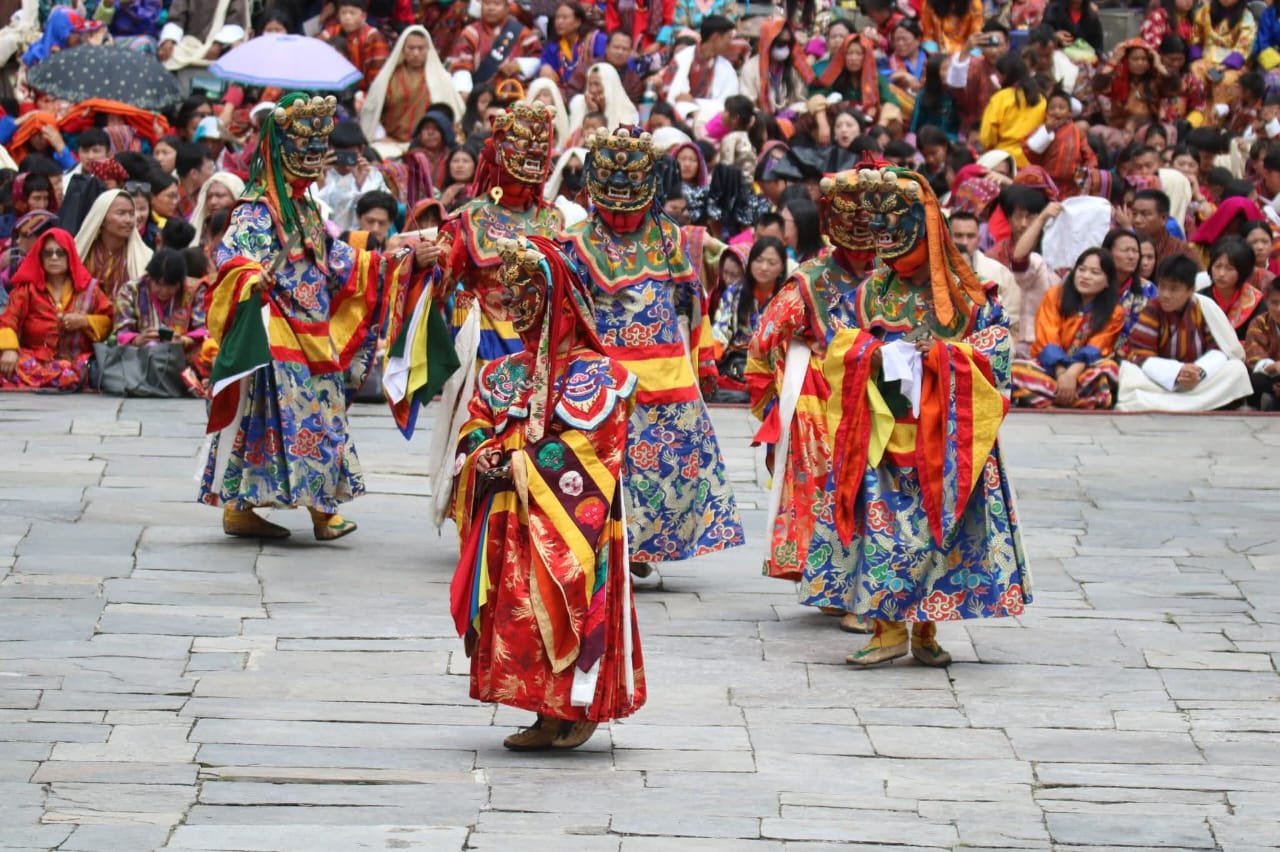
  • Witness masked dances performed by monks in elaborate costumes.
  • Experience the unveiling of giant Thongdrels (sacred silk scrolls) that bestow blessings.
  • Soak in the joyous atmosphere of communities celebrating together.
  • Explore Bhutan’s stunning landscapes while embracing its living heritage.

This 2027 Festival Calendar is your ultimate guide to planning the perfect trip. Mark your calendars and prepare for an adventure of a lifetime!


📅 Bhutan Festival Calendar 2027 (Tentative Dates)

⚠️ Note: All dates are based on the Bhutanese lunar calendar and are subject to change. We recommend confirming with Ling Travel Bhutan before finalizing your travel plans.


🌸 February 2027 – A Festive Start to the Year

February kicks off Bhutan’s festival season with vibrant celebrations across the kingdom. The crisp mountain air and clear skies make it an ideal time to visit.

No. Festival Location Date Highlights
1 Lhamoi Dromchhen Trongsa Dzong, Trongsa 11th – 13th Sacred dances honoring Guru Rinpoche
2 Punakha Dromchoe Punakha Dzong, Punakha 13th – 15th Reenactment of Tibetan-Bhutanese wars
3 Punakha Tshechu Punakha Dzong, Punakha 16th – 18th Masked dances and religious rituals
4 Tharpaling Thongdrol Tharpaling Lhakhang, Bumthang 20th Giant Thongdrel display
5 Tangsibi Mani Tangsibi Lhakhang, Ura, Bumthang 22nd – 24th Prayer flags and blessings
6 Chhorten Kora Chorten Kora, Trashiyangtshe 20th Feb & 8th March Circumambulation of the stupa

💡 Travel Tip: Punakha’s pleasant climate in February makes it a great time to explore Punakha Dzong, one of Bhutan’s most beautiful fortresses.


🌼 March 2027 – The Heart of Festival Season

March is one of the busiest months for festivals in Bhutan, with celebrations happening almost every week. The Paro Tshechu is a must-see!

No. Festival Location Date Highlights
7 Gomphukora Gom Kora Lhakhang, Trashiyangtshe 16th – 18th Sacred dances and rituals
8 Talo Tshechu Talo Gonpa, Punakha 16th – 18th Local village celebrations
9 Gasa Tshechu Gasa Dzong, Gasa 16th – 18th Remote and authentic experience
10 Zhemgang Tshechu Zhemgang Dzong, Zhemgang 16th – 18th Unique dances of the Khenpa people
11 Paro Tshechu Rinpung Dzong, Paro 18th – 22nd Thongdrel on the last day

⭐ Why Paro Tshechu is Special:

  • The Thongdrel (giant silk thangka) is displayed on the last day, offering blessings to all who witness it.
  • Paro is home to the iconic Tiger’s Nest Monastery (Paro Taktsang), which you can visit during your trip.

🌺 April 2027 – Festivals and Nature in Bloom

April brings spring blooms and a mix of cultural and nature festivals. The Rhododendron Festival is perfect for nature lovers!

No. Festival Location Date Highlights
12 Rhododendron Week Shetemey, Merak, Trashigang 3rd – 9th Wild rhododendron blooms and cultural shows
13 Domkhar Tshechu Domkhar, Bumthang 16th – 18th Traditional Bumthang dances
14 Ura Yakchoe Ura Lhakhang, Bumthang 18th – 22nd Sacred relic display
15 Rhododendron Festival Lamperi Botanical Park, Thimphu 22nd – 23rd Nature walks and flower exhibitions

🌿 Travel Tip: Combine your festival trip with a visit to Bumthang, Bhutan’s spiritual heartland, filled with ancient temples and monasteries.


🌿 June 2027 – Summer Festivals in the Himalayas

June is a quieter month for festivals but offers a chance to experience Bhutan’s serene beauty without the crowds.

No. Festival Location Date Highlights
16 Nimalung Tshechu Nimalung Dratshang, Bumthang 12th – 14th Monastic dances in a sacred site
17 Kurjey Tshechu Kurjey Lhakhang, Bumthang 14th Pilgrimage site of Guru Rinpoche

🏔️ Travel Tip: June is great for trekking in Bhutan. Consider the Bumthang Cultural Trek to combine festivals with adventure.


🍂 September 2027 – Adventure Meets Culture

September is the month for adventure seekers! The Tour of the Dragon is a world-famous mountain biking race.

No. Festival Location Date Highlights
18 Tour of the Dragon Bumthang to Thimphu 5th 268 km mountain bike race across 4 passes!

🚴 Why Join the Tour of the Dragon?

  • One of the toughest and most scenic bike races in the world.
  • Cross 4 high-altitude passes (including Dochula at 3,100m).
  • Experience Bhutan’s stunning landscapes on two wheels.

🍁 October 2027 – The Grand Finale of Festival Season

October is peak festival season in Bhutan, with Thimphu Tshechu being the biggest and most colorful celebration.

No. Festival Location Date Highlights
19 Thimphu Drubchen Tashi Chhodzong, Thimphu 5th Dramatic reenactments of Bhutan’s victories
21 Wangdue Tshechu Wangduephodrang 8th – 10th Dances by the Moenpa community
22 Tamshing Phala Chhoepa Tamshing Lhakhang, Bumthang 10th – 12th Ancient dances of Bumthang
23 Thimphu Tshechu Tashi Chhodzong, Thimphu 10th – 12th The largest festival in Bhutan!
24 Gangtey Tshechu Gangtey Gonpa, Wangduephodrang 13th – 15th Thongdrel on the last day
25 Jhomolhari Mountain Festival Dangochong, Thimphu 14th – 15th Celebration of Mount Jhomolhari
26 Thangbi Mewang Thangbi Lhakhang, Bumthang 15th – 16th Fire dance performances

🎭 Why Thimphu Tshechu is a Must-See:

  • Thousands of locals gather in their finest traditional attire.
  • Masked dances performed by monks from across Bhutan.
  • The Thongdrel ceremony on the last day is a spiritual highlight.

🍃 November 2027 – Festivals in the Kingdom’s East

November is a great time to explore Eastern Bhutan, with festivals in Haa, Pemagatshel, and Bumthang.

No. Festival Location Date Highlights
20 Haa Tshechu Lhakhang Karpo, Haa 6th – 8th Dances by the Haa valley community
27 Pemagatshel Tshechu Pemagatshel Dzong, Pemagatshel 6th – 9th Thongdrel on the last day
28 Chhukha Tshechu Chhukha Dzong, Chhukha 6th – 8th Dances of the southern region
29 Dechenphu Tshechu Dechenphu Lhakhang, Thimphu 8th Local Thimphu traditions
30 Jakar Tshechu Jakar Dzong, Bumthang 6th – 9th Sacred dances in Bumthang’s heart
31 Black Necked Crane Festival Gangtey Gonpa, Phobjikha 11th Celebration of Bhutan’s winter visitors
32 Jambay Lhakhang Drup Jambay Lhakhang, Bumthang 14th – 17th One of Bhutan’s oldest festivals
33 Prakhar Duchhoed Prakar Khakhang, Bumthang 15th – 17th Community gatherings and blessings

🦢 Black Necked Crane Festival:

  • Celebrates the arrival of the endangered Black-Necked Cranes in Phobjikha Valley.
  • Includes cultural performances, crane dances, and environmental awareness programs.

❄️ December 2027 – Winter Festivals and Year-End Celebrations

December brings winter festivals and a chance to experience Bhutan’s cooler climate and warm hospitality.

No. Festival Location Date Highlights
34 Goenpai Drupchen Trongsa Dzong, Trongsa 3rd – 5th Religious rituals and dances
35 Mongar Tshechu Mongar Dzong, Mongar 6th – 8th Eastern Bhutan’s vibrant traditions
36 Trashigang Tshechu Trashigang Dzong, Trashigang 7th – 9th Dances of the Tshangla people
37 Phuntsholing Tshechu Phuntsholing, Chhukha 6th – 8th Border town celebrations
38 Jambay Lhakhang Singye Cham Jambay Lhakhang, Bumthang 13th Sacred masked dances
39 Nalakhar Tshechu Ngaa Lhakhang, Bumthang 13th – 15th Local Bumthang traditions
40 Druk Wangyel Tshechu Douchula, Thimphu 13th Modern festival with traditional roots

❄️ January 2028 – New Year, New Festivals

Some festivals spill over into the new year, giving you a chance to start 2028 with a Bhutanese adventure!

No. Festival Location Date Highlights
41 Trongsa Tshechu Trongsa Dzong, Trongsa 5th – 9th Thongdrel on the last day
42 Lhuentse Tshechu Lhuentse Dzong, Lhuentse 5th – 9th Eastern Bhutan’s unique dances
43 Samdrupjongkhar Tshechu Samdrupjongkhar 10th – 12th Border town celebrations
44 Nabji Lhakhang Drup Nabji Lhakhang, Trongsa Date not specified Sacred rituals and dances

🌟 Top 5 Festivals You Shouldn’t Miss in 2027

If you’re planning a trip to Bhutan in 2027, these are the festivals you absolutely must experience:

1️⃣ Paro Tshechu (18th – 22nd March)

  • Why? The Thongdrel ceremony on the last day is one of the most sacred and visually stunning experiences in Bhutan.
  • Where to Stay: Paro has luxury resorts, boutique hotels, and cozy guesthouses.
  • What to Do: Visit the Tiger’s Nest Monastery and explore Paro’s ancient dzongs and temples.

2️⃣ Thimphu Tshechu (10th – 12th October)

  • Why? The largest festival in Bhutan, held in the capital city, offering a grand spectacle of color and culture.
  • Where to Stay: Thimphu has options for all budgets, from 5-star hotels to charming homestays.
  • What to Do: Explore Thimphu’s vibrant markets, museums, and cafes.

3️⃣ Punakha Dromchoe (13th – 15th February)

  • Why? A unique reenactment of Bhutan’s historical victories over Tibetan invaders.
  • Where to Stay: Punakha offers riverside resorts and traditional lodges.
  • What to Do: Visit the Punakha Dzong, one of Bhutan’s most beautiful and strategically located fortresses.

4️⃣ Tour of the Dragon (5th September)

  • Why? If you love adventure, this is your chance to bike across Bhutan’s most stunning landscapes.
  • Where to Stay: Thimphu and Bumthang have great accommodation options for participants.
  • What to Do: Train with local guides and experience Bhutan’s thrilling mountain passes.

5️⃣ Black Necked Crane Festival (11th November)

  • Why? A unique celebration of Bhutan’s wildlife and environmental conservation.
  • Where to Stay: Phobjikha Valley offers eco-lodges and homestays with stunning valley views.
  • What to Do: Go birdwatching and explore the Gangtey Nature Trail.

🗺️ Festival Map: Where to Go in Bhutan

Bhutan’s festivals are spread across the kingdom, each offering a unique cultural experience. Here’s a quick guide to help you choose:

Region Key Festivals Best For
Western Bhutan Paro Tshechu, Thimphu Tshechu, Haa Tshechu Cultural immersion, easy access
Central Bhutan Punakha Dromchoe, Trongsa Tshechu Historical sites, scenic beauty
Bumthang Ura Yakchoe, Jambay Lhakhang Drup Spiritual retreats, trekking
Eastern Bhutan Mongar Tshechu, Trashigang Tshechu Off-the-beaten-path adventures
Southern Bhutan Phuntsholing Tshechu, Chhukha Tshechu Border town experiences

How to Plan Your Bhutan Festival Trip with Ling Travel Bhutan

Planning a trip to Bhutan for a festival? Ling Travel Bhutan makes it easy! Here’s how we can help:

✅ Step 1: Choose Your Festival

  • Browse our 2027 Festival Calendar and pick the festivals that interest you.
  • Let us know your preferred dates and regions.

✅ Step 2: Customize Your Itinerary

  • We’ll create a tailor-made itinerary that includes:
    • Festival visits with the best viewing spots.
    • Cultural experiences (e.g., monastery visits, traditional meals).
    • Adventure activities (e.g., hiking, biking, rafting).

✅ Step 3: Book Your Trip

  • We handle visas, permits, accommodation, and transportation.
  • Enjoy hassle-free travel with our expert guides.

✅ Step 4: Experience Bhutan

  • Arrive in Bhutan and immerse yourself in the festival experience.
  • Our guides will ensure you don’t miss a single moment of the action!

💬 Frequently Asked Questions (FAQs)

❓ When is the best time to visit Bhutan for festivals?

  • Spring (March – May) and Autumn (September – November) are the best seasons for festivals, offering pleasant weather and clear skies.

❓ Do I need a visa to attend festivals in Bhutan?

  • Yes, all international visitors (except Indian, Bangladeshi, and Maldivian nationals) require a Bhutan visa, which we can arrange for you.

❓ How do I get festival tickets?

  • Most festivals are open to the public, and you don’t need tickets. However, arriving early is recommended for the best seats.

❓ What should I wear to a Bhutanese festival?

  • Dress modestly and respectfully. Traditional Bhutanese attire (e.g., Gho for men, Kira for women) is encouraged but not mandatory.

❓ Can I take photos during festivals?

  • Yes, but always ask for permission before photographing people, especially monks and locals in traditional attire.

❓ Are festivals crowded?

  • Popular festivals like Paro Tshechu and Thimphu Tshechu can get very crowded. We recommend arriving early for the best experience.

❓ Can Ling Travel Bhutan help with festival tours?

  • Absolutely! We specialize in festival tours and can create a customized itinerary that includes festival visits, cultural experiences, and adventure activities.

📞 Book Your Bhutan Festival Tour Today!

Ready to experience the magic of Bhutan’s festivals? Contact Ling Travel Bhutan today to start planning your dream trip!

📧 Email: info@lingtravelbhutan.com
📞 Phone: +975-77177166
🌐 Website: www.lingtravelbhutan.com
📍 Address: Thimphu, Bhutan


Follow us on social media for the latest updates on Bhutan’s festivals and travel tips!

📱 Facebook: lingtravelbhutan
📸 Instagram: @lingtravelbhutan
🔗 LinkedIn: lingtravelbhutan


Tracing the Footsteps of Guru Rinpoche

A Spiritual Pilgrimage Through the Heart of Bhutan

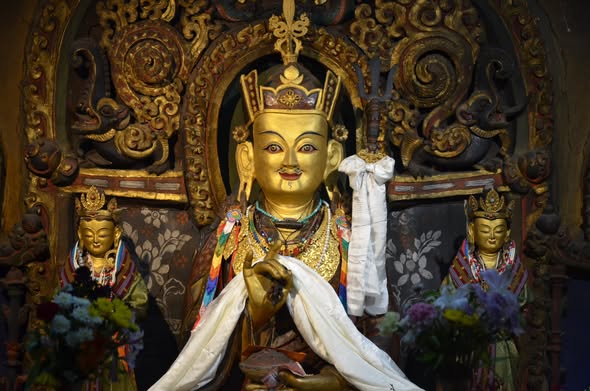
Statue of Guru Rinpoche (Padmasambhava), the revered Buddhist master who introduced Vajrayana Buddhism to Bhutan and Tibet.
Guru Rinpoche (Padmasambhava), revered as the Second Buddha, whose teachings and sacred sites continue to shape Bhutan’s spiritual and cultural heritage.

In the heart of the Himalayas, where the crisp mountain air carries the echo of ancient mantras and thesnow-capped peaks seem to touch the heavens, the spirit of Guru Padmasambhava—affectionately known as Guru Rinpoche, the “Second Buddha”—permeates every valley, monastery, and prayer flag. Hislife, a tapestry of miracles, divine emanations, and boundless compassion, is intricately woven into thecultural and spiritual fabric of Bhutan. For travelers seeking more than just breathtaking landscapes,

Bhutan offers a pilgrimage of the soul, where every sacred site whisper stories of enlightenment,
transformation, and the triumph of wisdom over ignorance.Guru Rinpoche was no ordinary master. An emanation of both Buddha Amitābha and the peerless
Śākyamuni Buddha, he appeared in this world with a singular purpose: to tame beings—both
human and spirit—that were otherwise untamable. His life transcends the boundaries of ordinary
comprehension, spanning realms from the Dharmakāya (the realm of absolute truth) to the
Nirmāṇakāya (the emanation body that appears to guide sentient beings). In the Dharmakāya realm
of Luminous Vajra Essence, he has been naturally enlightened within primordial purity since the very
beginning of time, renowned as the Unchanging Light.

In the self-manifest Saṃbhogakāya realm known as Resounding Drum of Perfection, he appears as the boundless array
of the five wisdom families of Buddha Immense Ocean, possessing the five certainties. His external
manifestation is perceived by all the bodhisattvas on the ten bhūmis in myriad forms within the buddhafields of
the five families. Thus, he is known as Lotus Who Holds All—the cloudbanks of the Guru’s wisdom display.

This blog post invites you to embark on a spiritual journey through Bhutan, following the footsteps of
Guru Rinpoche. From his miraculous birth to his profound teachings and the sacred sites he blessed,
we explore how his legacy continues to illuminate the path for countless seekers.

The Legend of Guru Padmasambhava: The Lotus-Born Master

The life of Guru Padmasambhava is a testament to the inexhaustible compassion of the Buddhas.
His story begins not in an ordinary way, but through a miracle that defies the laws of nature. According to
the terma (hidden treasure) teachings, in the oceans surrounding the western land of
Uḍḍiyāna, there lay an island close to the land of the rākṣasas. On this island, the blessings of all
the Buddhas took shape in the form of a multi-colored lotus flower.

Moved by compassion for the suffering of sentient beings, Buddha Amitābha, the Lord of
Sukhāvatī (the Pure Land of Bliss), sent from his heart a golden vajra marked with the
syllable hrīḥ. This sacred symbol entered the bud of the lotus flower and
miraculously transformed into an eight-year-old child, endowed with all the major and minor
marks of perfection, holding a vajra in his right hand and a lotus in his left. This child was none other
than Padmākara, the Lotus-Born.

On that island, the young child remained, instructing the island’s devas and ḍākinīs in the profound Dharma,
his wisdom already as vast as the ocean.

From Prince to Exile: The Early Life of Padmākara

Meanwhile, the King of Uḍḍiyāna, Indrabhūti, found himself without an heir to the throne.
Through his great acts of making offerings to the Three Jewels and giving alms to the poor and needy,
the king had exhausted his treasury. In a bid to restore his kingdom’s fortune, he set out on a voyage
upon the great lake to find a wish-fulfilling jewel.

Upon returning with the jewel, both his minister Triguṇadhara and the king himself encountered
the amazing child on the island. Recognizing him as the answer to his prayers, King Indrabhūti took the
child back to the royal palace. There, he was given the names Padmākara (Lotus-Born) and
Tsokyé Dorjé (Lake-Born Vajra). The prince was seated on a throne of precious jewels, and the
citizens were delighted as a rain of foods, clothing, and precious objects sprang forth from the
magic of the wish-fulfilling jewel.

As the young prince grew up, he brought countless beings to spiritual maturation through his youthful
play and games. He married the ḍākinī Prabhāvatī and ruled the kingdom of Uḍḍiyāna according
to the Dharma, becoming known as King Tortokchen (The Turbaned King). Yet, his true calling
lay not in royalty but in the service of all beings.

Seeing that as a ruler he would be unable to bring about spiritual benefit on a vast scale, Padmākara
begged his father for permission to abdicate. When refused, he devised a plan: during a royal dance,
he pretended that his trident slipped from his hand, striking and liberating the son of a demonic
minister. As a consequence of breaking the law against killing children, Padmasambhava was promptly
banished to the charnel grounds.

Thus began his journey to the sacred charnel grounds of Śītavana (Cool Grove),
Nandanavana (Joyful Grove), and Sosadvīpa (Sosa Land), where he practiced
yogic disciplines. There, he received empowerments and blessings from the ḍākinīs
Mārajīta (Tamer of Māra) and Śāntarakṣitā (Sustainer of Bliss), and brought
the ḍākinīs of the charnel grounds under his sovereign command. He became known as
Śāntarakṣita (Preserver of Peace).

The Eight Supreme Manifestations

Guru Rinpoche’s activities are said to manifest in eight supreme forms, each representing
a different aspect of his enlightened activity to benefit beings. These manifestations are:

  1. Guru Tsokyé Dorjé (Lake-Born Vajra) – His miraculous birth from the lotus.
  2. Guru Shakya Sengé (Lion of the Śākyas) – His ordination as a monk under Prabhahasti.
  3. Guru Nyima Özer (Rays of the Sun) – His radiant teachings and display of miracles at Bodh Gaya’s Vajra Throne.
  4. Guru Loden Choksé (Wise Seeker of the Sublime) – His mastery of the Dharma and attainment of the first vidyādhara level.
  5. Guru Pema Gyalpo (Lotus King) – His royal presence as a teacher in Uḍḍiyāna and Zahor.
  6. Guru Sengé Dradrok (Lion’s Roar) – His victory over heretical teachers at Bodh Gaya.
  7. Guru Dorjé Drolö (Wild Wrathful Vajra) – His wrathful form binding spirits and subduing obstacles.
  8. Guru Padmasambhava – The culmination of all his manifestations, the essence of his enlightened activity.
“It is said that ten thousand, nine hundred stories of his life were composed and hidden for future disciples.
His activities are indeed a topic that lies far beyond the reach of the ordinary intellect.”

Sacred Sites in Bhutan: Walking in Guru Rinpoche’s Footsteps

Bhutan, often referred to as the Last Shangri-La, is a land deeply blessed by Guru Rinpoche’s
presence. From the towering cliffs of Paro Taktsang to the serene valleys of
Bumthang, every corner of this Himalayan kingdom holds a piece of his divine legacy.

Paro Taktsang (Tiger’s Nest Monastery)

Tiger's Nest Monastery (Paro Taktsang), Bhutan's iconic cliffside monastery associated with Guru Rinpoche.
Tiger’s Nest Monastery (Paro Taktsang), Bhutan’s most famous sacred monastery, perched dramatically on a cliff overlooking the Paro Valley.

Perched precariously on a cliff 3,120 meters above sea level, Taktsang Monastery is
Bhutan’s most iconic pilgrimage site. According to legend, Guru Rinpoche arrived here on the
back of a tigress—a manifestation of his consort, Khandro Yeshé Tsogyal—
and meditated for three months in the Tiger’s Nest Cave.

The monastery, first built in 1692, clings to the cliffside like a jewel, offering
breathtaking views of the Paro Valley. Paro, Bhutan
2-3 hour hike

Kurjey Lhakhang (Temple of the Body Imprint)

Kurjey Lhakhang, a sacred Buddhist temple in Bumthang where Guru Rinpoche is believed to have left his body imprint
Kurjey Lhakhang in Bumthang, one of Bhutan’s most sacred temples, built around the cave where Guru Rinpoche meditated and left his body imprint.

Located in the sacred Choekhor Valley of Bumthang, Kurjey Lhakhang
(“Temple of the Imprint of the Body”) marks the spot where Guru Rinpoche left his
body imprint on a cliff while subduing a local deity.

Bumthang, Bhutan
Best in spring/autumn
Tamshing Lhakhang, one of Bhutan's oldest Buddhist temples in Bumthang, founded by the great treasure revealer Pema Lingpa.
Tamshing Lhakhang in Bumthang, a historic Buddhist monastery founded by Pema Lingpa in 1501 and renowned for its ancient murals and spiritual heritage.

Tamshing Lhakhang (Temple of the Good Message)

Founded in 1501 by Pema Lingpa, a renowned tertön (treasure revealer),
Tamshing Lhakhang is one of Bhutan’s oldest and most sacred monasteries.

Bumthang, Bhutan
Famous for Burning Lake
Membartsho (The Burning Lake), the sacred pilgrimage site in Bumthang where Pema Lingpa revealed hidden treasures of Guru Rinpoche.
Membartsho, or the Burning Lake, is one of Bhutan’s most sacred pilgrimage sites, where the revered treasure revealer Pema Lingpa discovered sacred treasures hidden by Guru Rinpoche.
Description

Membartsho (The Burning Lake)

Membartsho, or the Burning Lake, is one of Bhutan’s most sacred pilgrimage
sites. It is here that the great tertön Pema Lingpa discovered sacred treasures hidden by Guru Rinpoche.

Tang Valley, Bumthang Sacred lake

Mount Hepori (Bumthang)

This sacred mountain in Bumthang is where Guru Rinpoche subdued the local deities and
spirits that were obstructing the spread of Buddhism in Bhutan.

Bumthang, Bhutan
Footprint relic

Pilgrimage Tips for Travelers

Embarking on a spiritual pilgrimage through Bhutan is a transformative experience. To make the most
of your journey, here are some essential tips to ensure a meaningful and respectful visit.

Best Time to Visit

Bhutan’s Tsechus (annual festivals) are the best times to experience the country’s
spiritual culture. Key festivals include:

  • Paro Tsechu (March/April) – Celebrated at Paro Dzong, featuring a grand Thongdrol display.
  • Thimphu Tsechu (September/October) – The largest festival in Bhutan.
  • Bumthang Tsechu (October/November) – A colorful celebration in the spiritual heart of Bhutan.

Cultural Etiquette

Bhutan is a deeply spiritual country. Respect local customs:

  • Dress modestly when visiting monasteries and temples.
  • Circumambulate stupas and temples clockwise.
  • Remove your hat and shoes before entering sacred spaces.
  • Avoid pointing with your feet or touching religious objects.

Guided vs. Solo Travel

A guided pilgrimage tour offers invaluable insights into the spiritual significance of each site.
Ling Travel Bhutan offers customized spiritual tours tailored to your interests.

What to Pack

Pack smartly for your pilgrimage:

  • Comfortable Hiking Shoes – Essential for sites like Taktsang Monastery.
  • Layered Clothing – Bhutan’s weather can be unpredictable.
  • Modest Clothing – Long skirts, pants, and shawls for temple visits.
  • Sun Protection – Hat, sunglasses, and sunscreen.

Why Bhutan? The Land of the Thunder Dragon

Bhutan is not just a destination—it is a living embodiment of Guru Rinpoche’s teachings.
His influence is palpable in every aspect of Bhutanese life.

The Legacy of Termas (Hidden Treasures)

One of the most fascinating aspects of Guru Rinpoche’s activity in Bhutan is his concealment of
countless termas (hidden treasures). These treasures—sacred texts, relics, and teachings—
were hidden to be revealed by tertöns (treasure revealers) at the right time.

The Concept of Beyul (Hidden Valleys)

Bhutan is believed to be one of the Beyuls, or hidden valleys, blessed by Guru Rinpoche
as refuges for practitioners during times of strife.

Guru Rinpoche’s Enduring Presence

Guru Rinpoche’s connection to Bhutan is not confined to the past. His presence is said to be
eternally active, with emanations and blessings continuing to benefit beings.

“In Bhutan, every mountain, river, and forest is alive with the blessings of Guru Rinpoche. To walk this
land is to walk in the footsteps of enlightenment.”

The Journey to Bhutan: What to Expect

Visa and Entry Requirements

All tourists must book their trip through a licensed Bhutanese tour operator like Ling Travel Bhutan.
The daily Sustainable Development Fee (SDF) of $100 per night covers accommodation, meals,
transportation, and a licensed guide.

Getting There

The most common entry point to Bhutan is Paro International Airport. Airlines such as
Druk Air and Bhutan Airlines operate flights from Thailand, India, Nepal,
Bangladesh, and Singapore.

Accommodation

Bhutan offers a range of accommodations, from luxury resorts to cozy guesthouses.

Food and Cuisine

Bhutanese cuisine is a delightful blend of flavors, with dishes like ema datshi (chili
and cheese), khewang (buckwheat pancakes), and red rice.

Begin Your Spiritual Journey with Ling Travel Bhutan

Guru Rinpoche’s life and teachings remind us that enlightenment is not a distant goal but a
living presence in every moment. Bhutan offers a rare opportunity to connect with this wisdom.

At Ling Travel Bhutan, we specialize in crafting meaningful, transformative journeys
that honor the sacred legacy of Guru Rinpoche.

Let us guide you through the land of the Thunder Dragon, where every step is a prayer, every
mountain a temple, and every moment an opportunity to awaken.

Ready to Walk in the Footsteps of Guru Rinpoche?

Book your customized spiritual pilgrimage tour with Ling Travel Bhutan today.

“May the blessings of Guru Rinpoche guide your path, and may every step you take in Bhutan bring you closer to enlightenment.”

Ling Travel Bhutan

Ling Travel Bhutan is a premier tour operator based in Bhutan, specializing in spiritual pilgrimages,
cultural tours, and adventure travel. With over a decade of experience, we are committed to
providing authentic, sustainable, and transformative journeys.


Gross National Happiness: Bhutan’s Unique Philosophy That Redefines Progress

What if a nation’s greatest wealth wasn’t measured in money, but in the happiness of its people?
In a world obsessed with economic growth, one small Himalayan kingdom chose a different path. Bhutan doesn’t chase GDP—it chases Gross National Happiness (GNH). And that choice shapes everything: how the country governs, protects its forests, preserves its culture, and welcomes travellers.
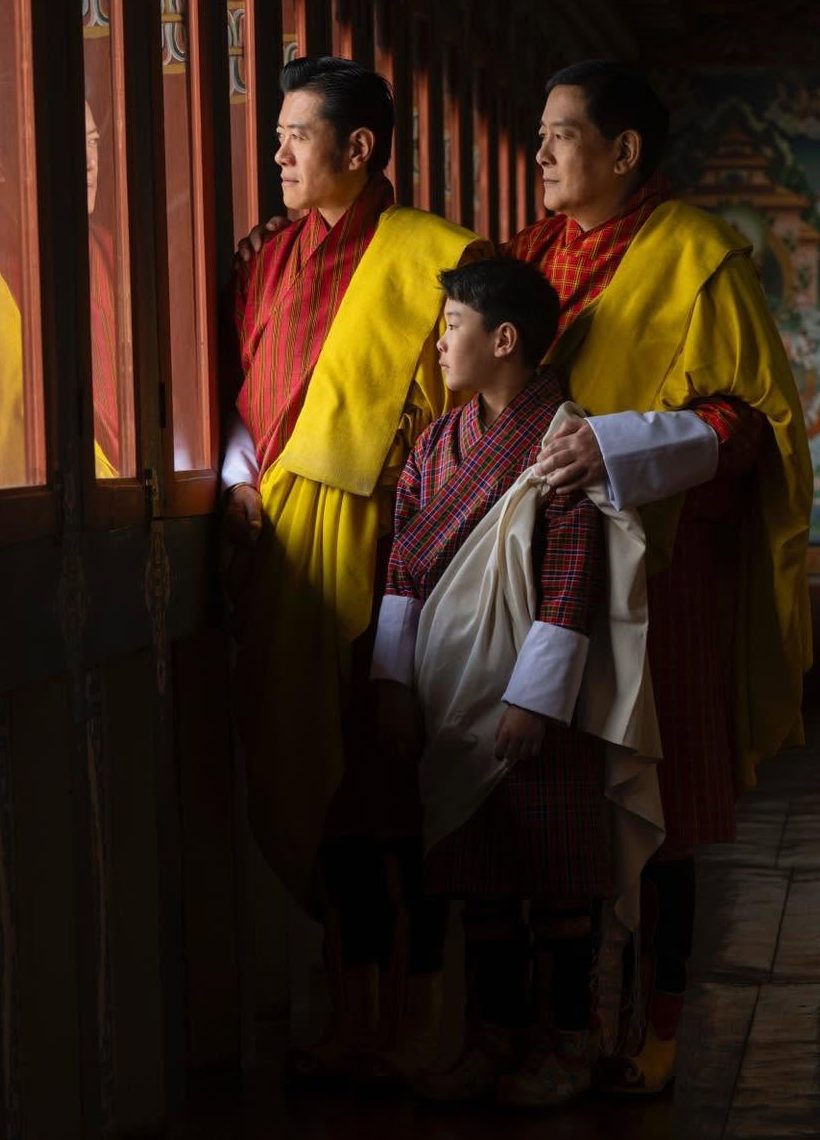
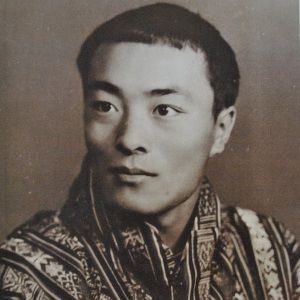
Understanding GNH isn’t just interesting background reading. It’s the key to understanding why Bhutan feels unlike anywhere else on Earth.With His Majesty the Fourth King of Bhutan and the Fifth King as Prince

What Is Gross National Happiness?

For decades, the world has measured progress through economic output. More money, more factories, more exports—surely that leads to happier societies?
Bhutan respectfully disagrees.
The Kingdom believes economic growth matters, but not at the expense of well-being, cultural identity, environmental health, or spiritual values. So instead of tracking GDP alone, Bhutan measures national progress through Gross National Happiness—a holistic framework that seeks balanced, sustainable development for all its citizens.

The Origins of Gross National Happiness

The idea that development should serve the people’s happiness took root during the reign of His Majesty the Third Druk Gyalpo, Jigme Dorji Wangchguck who believed the purpose of development was to make “the people prosperous and happy.”
But the philosophy—and the famous phrase itself—was born later.
In 1972, His Majesty the Fourth Druk Gyalpo, Jigme Singye Wangchuck, coined the term “Gross National Happiness” and declared:
“Gross National Happiness is more important than Gross National Product.”
That single statement challenged the global development model. It inspired economists, governments, and the United Nations to rethink what “progress” actually means.

Happiness Beyond Wealth

The Fourth King often observed that wealthy people aren’t always happy—and that those who are genuinely happy frequently feel rich regardless of their income.
True well-being, he argued, comes from balance: material comfort and spiritual growth, strong communities, healthy relationships, cultural identity, environmental harmony, and good governance.
Bhutan doesn’t pursue growth for growth’s sake. It pursues harmony between people, nature, and development.

GNH in Everyday Bhutan

Visitors notice it immediately. GNH isn’t a policy document sitting in a government office—it’s alive in daily life.
You’ll feel it when you:
  • Hike through forests that cover over 70% of the country
  • Step inside a peaceful Buddhist monastery tucked into the Himalayas
  • Watch ancient masked dances at a vibrant Tshechu festival
  • Share a meal and genuine warmth with a family in a traditional village
  • Trek to the iconic Tiger’s Nest Monastery, where spirituality and landscape merge
Bhutan moves at a different pace. The invitation isn’t to rush between sights—it’s to slow down, connect, and experience a culture where happiness genuinely matters.

Global Recognition

The United Nations has formally acknowledged that GDP alone does not reflect human well-being and that the pursuit of happiness is a fundamental human goal.
Today, researchers and governments worldwide study Bhutan’s model as a real-world example of sustainable, people-centered development.

Why This Matters to Travellers

A journey through Bhutan is not a typical holiday.
It’s an opportunity to:
  • Experience authentic Bhutanese culture unfiltered by mass tourism
  • Explore pristine Himalayan landscapes protected by national policy
  • Connect with ancient Buddhist heritage still lived, not just displayed
  • Practice mindful travel in a country that values presence over speed
  • Witness sustainable tourism in action
That deeper connection is what makes Bhutan one of the world’s most rewarding destinations.

Experience the Land of Happiness with Ling Travel Bhutan

At Ling Travel Bhutan, we design journeys that go beyond sightseeing.
Our experiences let you explore the true spirit of Bhutan through:
  • Cultural Tours – Dzongs, monasteries, and living traditions
  • Trekking Adventures – Himalayan trails for every level
  • Wildlife Experiences – Rare species in protected landscapes
  • Festival Tours – Tshechus, local celebrations, and spiritual events
  • Wellness & Mindfulness Retreats – Meditation, yoga, and renewal
  • Luxury Bhutan Holidays – Comfort without compromising authenticity
  • Tailor-Made Itineraries – Crafted around your interests and pace
Whether you’re trekking to Tiger’s Nest, sharing tea with a local family, or simply breathing in the mountain air, you’ll experience the values of Gross National Happiness firsthand.
Ready to discover the world’s happiest kingdom?
Let Ling Travel Bhutan create a personalized journey that takes you into the heart of Bhutan’s extraordinary culture, breathtaking landscapes, and timeless philosophy of happiness.
Tashi Delek—we look forward to welcoming you.
  • Gross National Happiness
  • Gross National Happiness Bhutan
  • Bhutan Happiness Index
  • Bhutan Tourism
  • Travel to Bhutan
  • Bhutan Culture
  • Bhutan Philosophy
  • Sustainable Tourism Bhutan
  • Bhutan Travel Guide
  • Ling Travel Bhutan