


The Snowman Trek: 28 Days / 27 Nights of Pure Himalayan Adventure
Bhutan’s Greatest Trek | Jhomolhari – Laya – Lunana | Very Hard Grade | Best Season: Late September to October
A Journey Through Some of the Wildest and Most Unforgiving Beauty on Earth
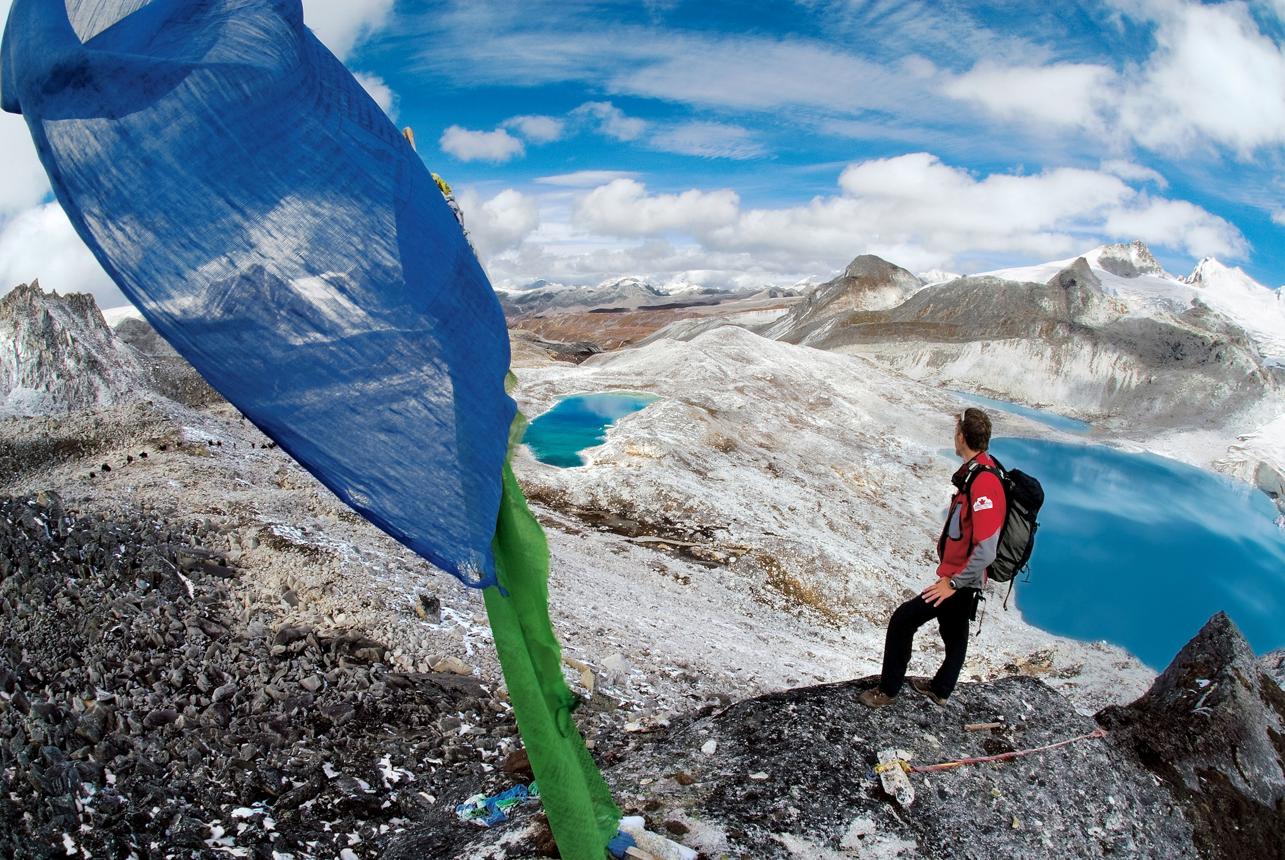
The Snowman Trek is often described as one of the most challenging high-altitude journeys on earth, but for those who take it on, it becomes something far more profound than a trek. It is a pilgrimage through Bhutan’s last truly untouched wilderness, a place where the Himalayas rise like colossal guardians and the landscape feels almost otherworldly in its purity.
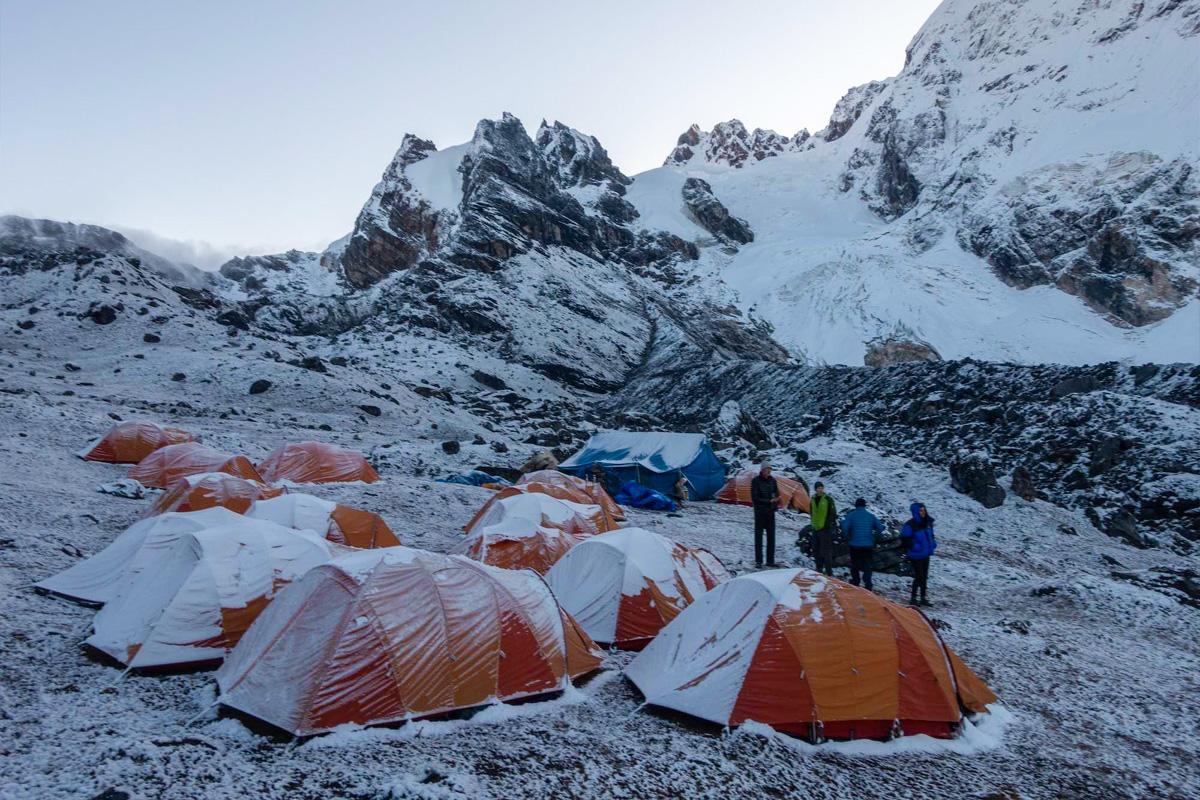
Over 28 unforgettable days, you will traverse remote passes dusted with fresh snow, walk alongside icy turquoise rivers, skirt the edges of shimmering glacial lakes, and camp beneath skies so clear they feel close enough to touch. You will cross eleven major passes, including the mighty Rinchen Zoe La at 5,320 metres, and visit Laya and Thanza, highland villages where communities live in harmony with the land, welcoming travellers with warmth, curiosity, and stories shaped by centuries of tradition.
This is not simply a trek. It is a transformative journey into the heart of Bhutan’s wild, sacred, and awe-inspiring highlands.
Trek at a Glance
| Detail | Information |
|---|---|
| Duration | 28 Days / 27 Nights |
| Distance | 320–350 km (route dependent) |
| Difficulty | Very Hard |
| Highest Point | Rinchen Zoe La, 5,320 m |
| Number of Passes | 11 major crossings |
| Best Months | Late September to October |
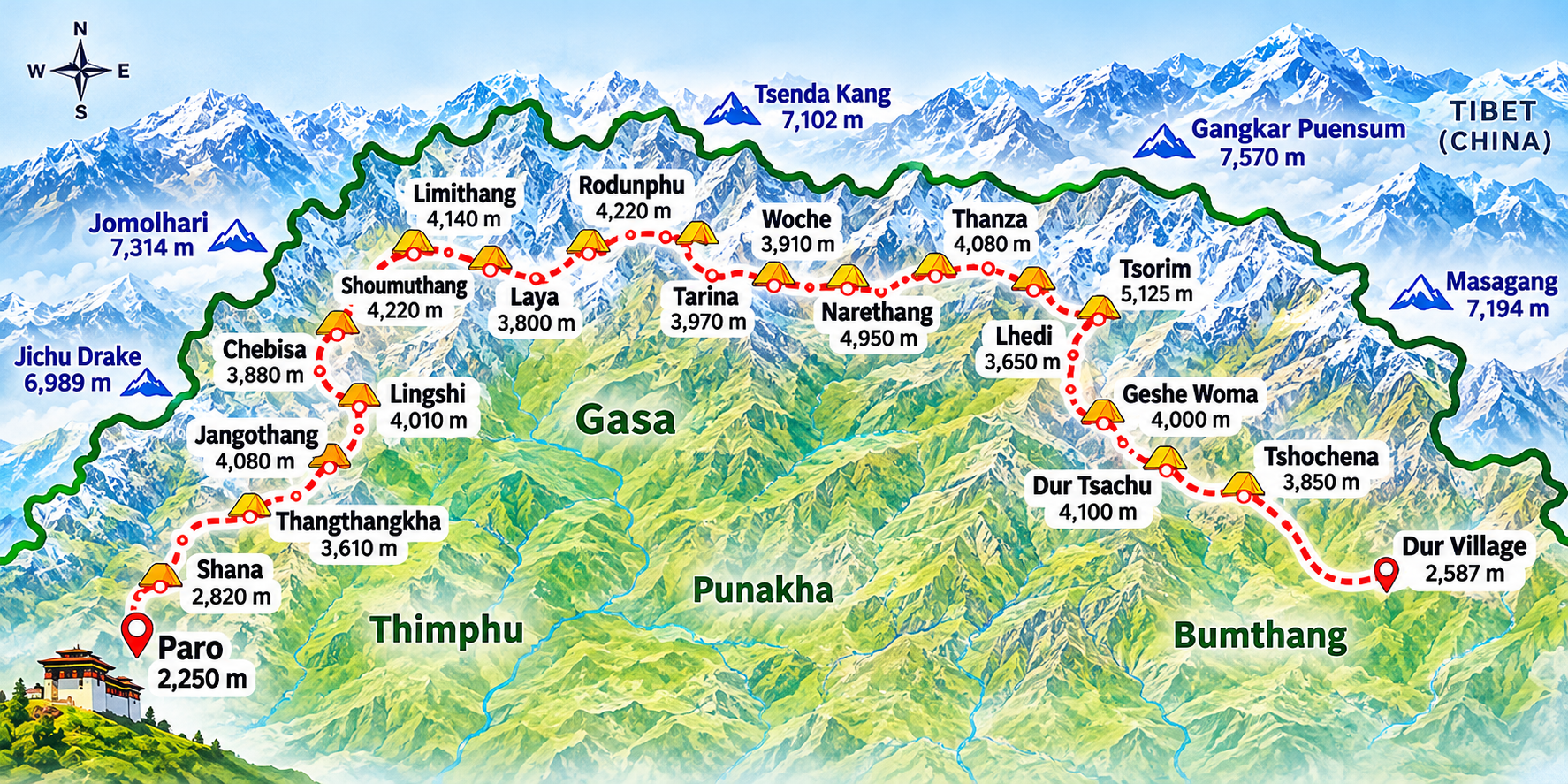
| Route | Paro – Jhomolhari – Lingshi – Laya – Lunana – Sephu – Gangtey |
| Accommodation | Hotels in Paro and Gangtey, full-service camping on trek |
Why Choose the Snowman Trek
- Walk beneath some of the greatest peaks of the Himalayas: Jhomolhari (7,314 m), Jichu Drake, Gangkar Puensum (7,570 m, the world’s highest unclimbed mountain), Tsenda Kang, and Masagang.
- Cross eleven high passes above 4,500 metres, each opening onto panoramas that stretch into endless horizons.
- Meet the Layap people of Laya, instantly recognizable by their conical bamboo hats and turquoise silver jewellery, and the yak herders of Lunana.
- Rest beside sacred high-altitude lakes, including Thampe Tsho, where pilgrims believe the waters cure illness.
- Travel with an experienced, government-certified Bhutanese guide, full trek kitchen, and yak support throughout.
-
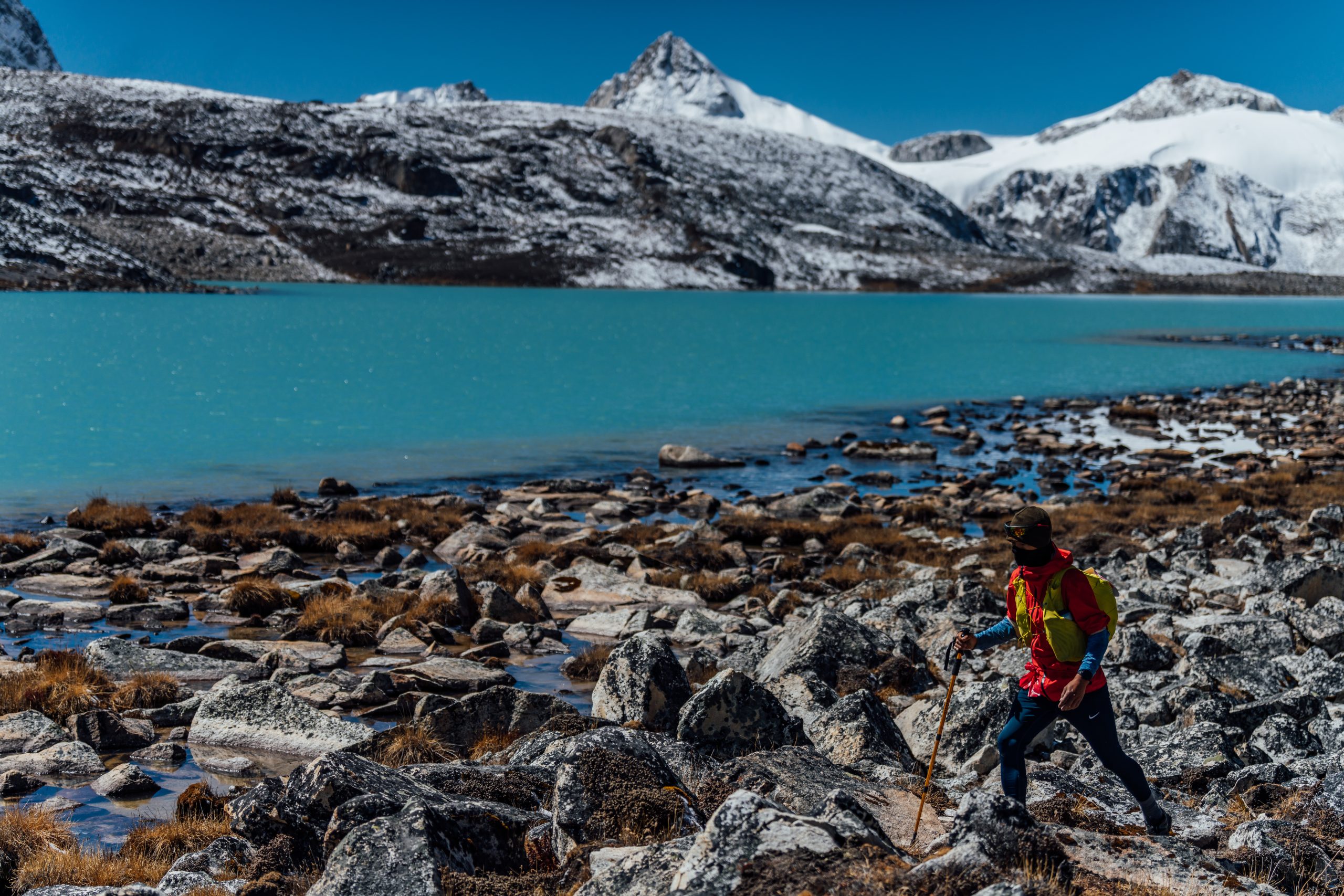
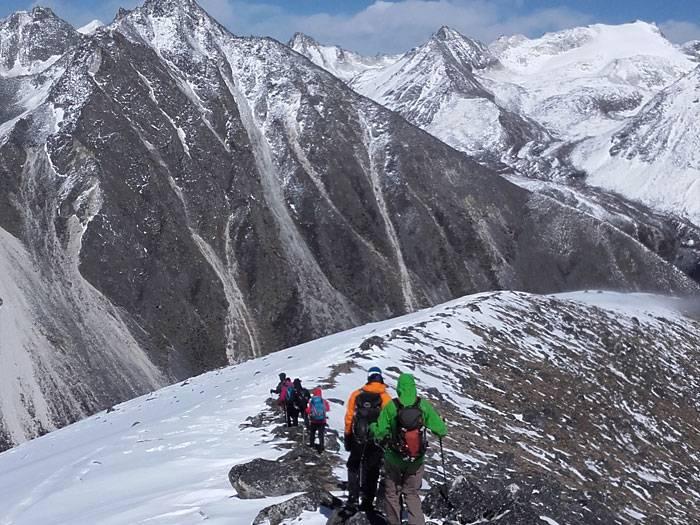
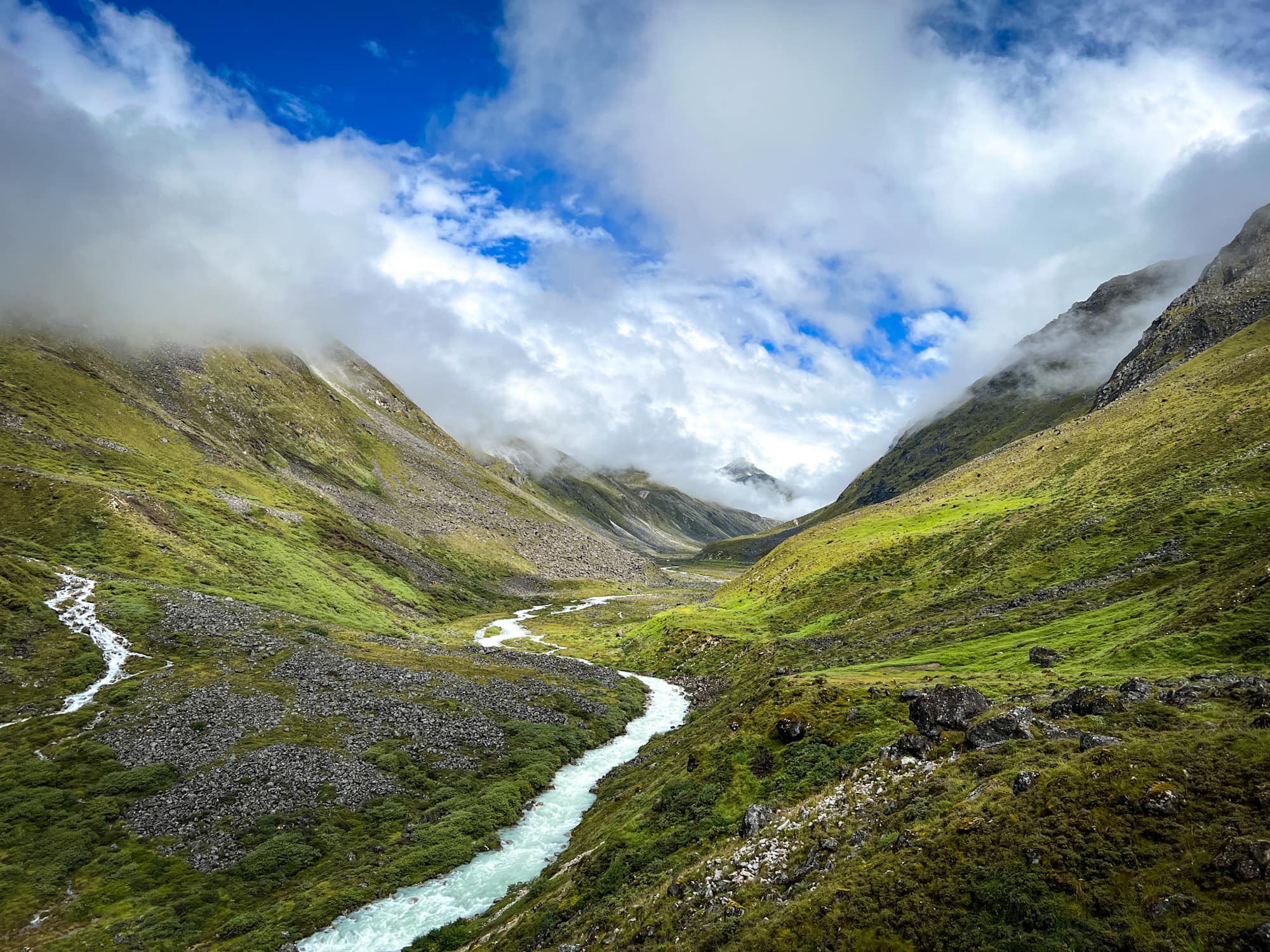
Discover the legendary Snowman Trek in Bhutan with Ling Travel Bhutan, exploring remote Himalayan valleys and spectacular high-altitude mountain landscapes.
-
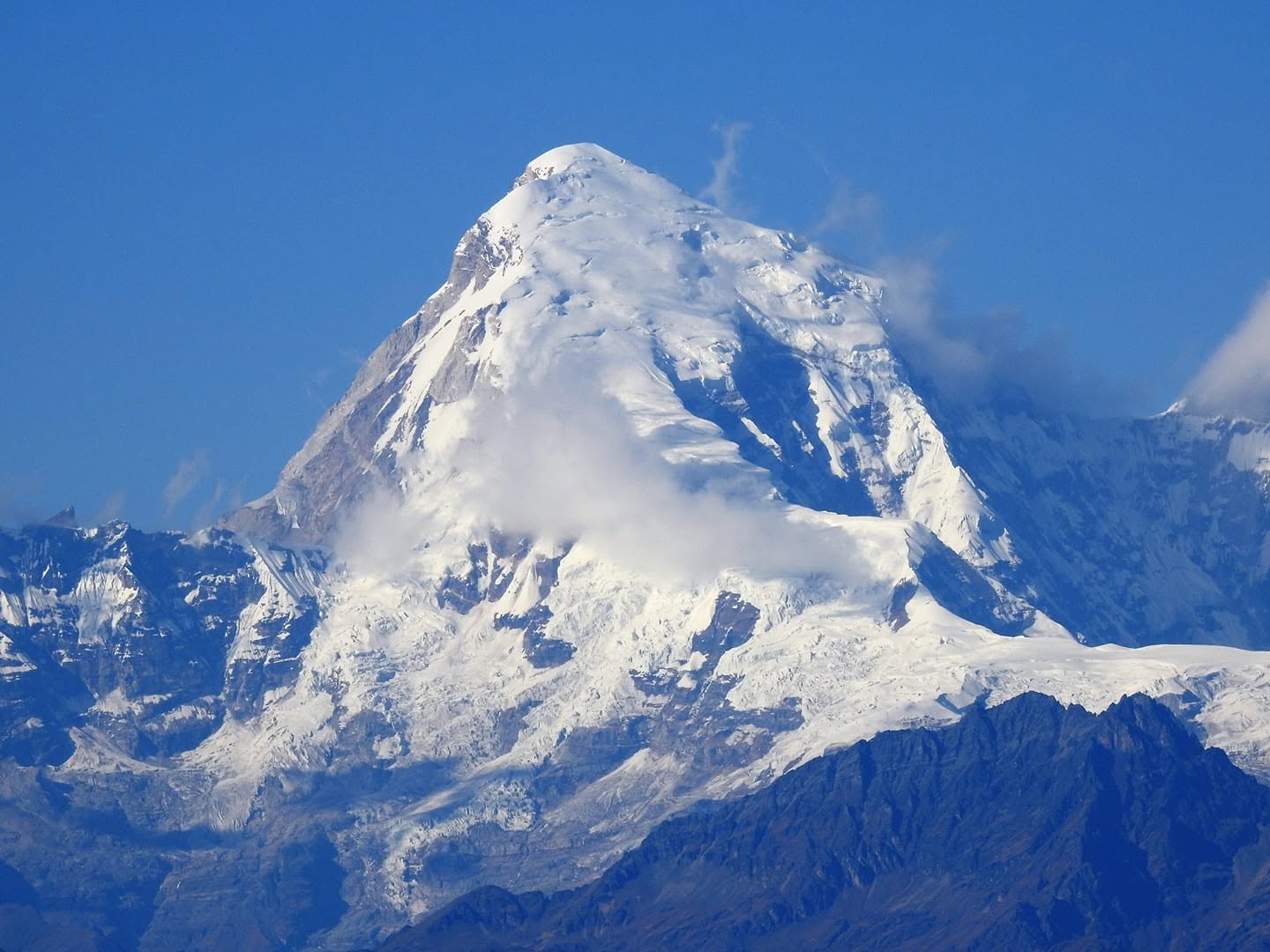
Jomolhari Trek in Bhutan with spectacular views of Mount Jomolhari and the Himalayan mountains.
-
-
Arrive at Paro International Airport, where your Ling Travel Bhutan guide welcomes you. Visit the National Museum and Paro Rinpung Dzong, then meet your trekking crew for a full gear check and briefing. Overnight in Paro (2,250 m).
Hike to the legendary Tiger’s Nest Monastery, perched at 3,120 m on a cliff face 900 m above the valley floor. An unforgettable introduction and ideal acclimatization. Overnight in Paro.
Start at the ruins of Drukgyel Dzong and follow the Paro Chhu through forest and farmland. As you reach camp, the distant form of Jhomolhari appears on the horizon. Camp at Shana (2,820 m). 17 km, 5–6 hours.
Enter Bhutan’s largest protected area, following the river through pine, oak, and rhododendron forest past yak herders’ camps. Camp at Thangthangkha (3,610 m). 20 km, 7–8 hours.
Climb above the treeline into alpine meadows as Jhomolhari’s icy summit fills the horizon. Jangothang is one of the finest campsites in the Himalayas. Camp at Jangothang (4,080 m). 19 km, 5–6 hours.
Hike toward the slopes of Jhomolhari or visit the turquoise Tshophu Lake while your crew prepares the yak caravan. Camp at Jangothang.
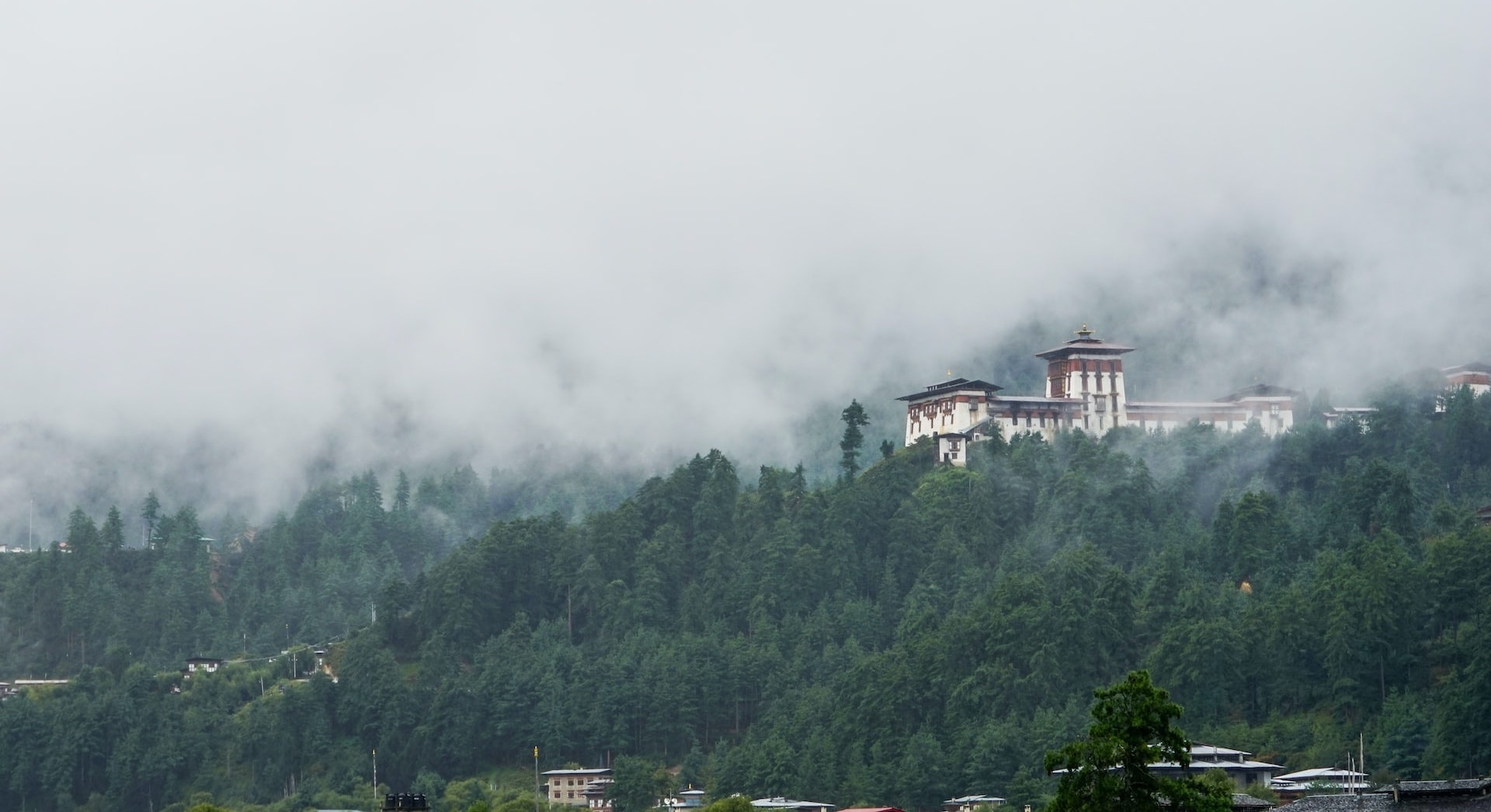
Cross Nyile La (4,890 m) with views of Jhomolhari, Jichu Drake, and Tserim Kang, then descend to Lingshi, where a dramatic dzong crowns the ridge. Camp at Lingshi (4,010 m). 18 km, 6–7 hours.
A gentler day through juniper pastures to the beautiful village of Chebisa, framed by cliffs and a cascading waterfall. Camp at Chebisa (3,880 m). 10 km, 5–6 hours.
Climb to Gobu La (4,350 m), watching for blue sheep, then descend through dwarf rhododendron to camp beside a river. Camp at Shoumuthang (4,220 m). 17 km, 6–7 hours.
Cross Jare La (4,785 m) and descend into Tsharijathang Valley, the summer home of Bhutan’s national animal, the takin. Camp at Robluthang (4,160 m). 18 km, 7–8 hours.
Cross your first 5,000-metre pass, Sinche La (5,005 m), with the dramatic pyramid of Gangchhenta, the Great Tiger Mountain, dominating the skyline. Camp at Limithang (4,140 m). 19 km, 7–8 hours.
Follow the river through rhododendron and silver fir into the high valley of Laya, home of the Layap people. Camp at Laya (3,800 m). 10 km, 4–5 hours.
Immerse yourself in one of the world’s most remote highland communities: visit the school, temple, and village homes, and enjoy an evening of Layap song and dance. Camp at Laya.
limb through oak and pine forest into open highlands with views of the Tsenda Kang peaks. Camp at Rodunphu (4,220 m). 19 km, 7–8 hours.
Cross Tsomo La (4,890 m) beneath the great ice wall of Gangla Karchung (6,392 m). Camp at Narethang (4,950 m). 17 km, 6–7 hours.
Cross Karchu La (5,240 m) for your first view of Gangkar Puensum, Bhutan’s highest peak, then descend to the lake-studded Tarina Valley. Camp at Tarina (3,970 m). 18 km, 6–7 hours.
Climb a steep trail into Woche, your first steps into the remote Lunana region. Camp at Woche (3,910 m). 14 km, 6–7 hours.
Cross Keche La (4,580 m), pausing at the beautiful Yumtsho and Setsho lakes, then descend to Lhedi, one of Lunana’s principal villages. Camp at Lhedi (3,650 m). 17 km, 6–7 hours.
isit the 17th-century Chozo Dzong en route to Thanza, where flat-topped Table Mountain commands the horizon. Camp at Thanza (4,080 m). 17 km, 7 hours.
Wander the valley, meet villagers, photograph yaks beneath Table Mountain, or visit nearby hot springs, a vital acclimatization day before the highest crossings. Camp at Thanza.
short day to a high camp at the foot of the Rinchen Zoe climb. Camp at Danji (4,600 m). 8 km, 3–4 hours.
The defining day: cross Rinchen Zoe La (5,320 m), the highest point of the trek, with a full panorama of the Lunana Himal, then descend past glacial lakes to camp. Camp at Tshochena (5,020 m). 20 km, 7–8 hours
Cross Loju La (5,140 m), contouring around turquoise lakes in a region where many peaks remain unclimbed. Camp at Jichu Dramo (5,050 m), the highest camp of the trek. 14 km, 5–6 hours.
Cross a second Sinche La (5,100 m) and descend through moraine into the Chukarpo valley. Camp at Chukarpo (4,700 m). 18 km, 6–7 hours.
Climb to the sacred turquoise lake of Thampe Tsho, where pilgrims come to bathe in its healing waters. Camp beside the lake (4,300 m). 18 km, 6–7 hours.
Cross Tempe La (4,580 m), the final pass, and descend past Om Tsho to the edge of the forest. Your last night under canvas. Camp at Maurothang (3,580 m). 14 km, 5–6 hours.
Follow the Nikka Chhu through cool forest to the road head at Sephu, where your vehicle awaits. Celebrate with your crew, then drive to the beautiful Phobjikha Valley. Overnight in Gangtey (3,000 m). 18 km, 5–6 hours
Return over the mountain roads, stopping at Dochula Pass with its 108 chortens and at Kyichu Lhakhang, one of Bhutan’s oldest temples, before your departure from Paro International Airport
- Airport pick-up and drop-off by private vehicle.
- 3-star accommodation (4 & 5 stars may require an additional premium update).
- Bhutan visa fee – including all necessary processing
- Route Permit
- Three meals per day during your stay in Bhutan
- A licensed Bhutanese tour guide
- All land transportation by private vehicle
- Camping equipment and haulage for trekking tours
- Sightseeing as per itinerary
- Monuments entrance fees where applicable
- Drinking water
- All internal taxes and charges
- A sustainable development fee of $200. (This sustainable development fee goes towards free education, free healthcare, and poverty alleviation, along with the building of infrastructure.)
- Airfare & Travel Insurance
- Expenses of personal nature, Tips to guides and drivers
- Expenses occurred due to unavoidable events i.e. road wrecks, flight delays etc.
Travel Essentials
- Travel/Medical Insurance: Ensure a worry-free journey with Bhutan's dedicated travel and medical insurance plans offered by the Royal Insurance Corporation of Bhutan. Visit RICB for more information.
- Banking: Modern banking facilities are available in urban areas of Bhutan, with banks like Bank of Bhutan Limited, Druk PNB, and Bhutan National Bank. ATMs are common in Thimphu and Phuentsholing, but scarce in rural areas. Complete your banking in major cities.
- Money Matters: Bhutan's currency is the Ngultrum (Nu), which is equivalent in value to the Indian Rupee. Foreign travelers should bring traveler’s cheques or cash, especially USD. Credit cards like Visa and American Express are accepted in most areas.
- Communication: Bhutan's telecommunications are well-developed with internet cafes, mobile phone coverage, and international roaming available in most towns.
- Electricity: Bhutan operates on 230 volts and 50 Hertz. Ensure your devices are compatible with the three types of plugs commonly used.
- Time Zone: Bhutan's time is six hours ahead of GMT.
Health, Safety, and Customs
- Health and Inoculations: Recommended vaccinations include tetanus, typhoid, and hepatitis A. Avoid untreated water and ice cubes; instead, opt for bottled water, which is readily available.
- Safety Precautions: Bhutan is generally safe, but avoid walking alone or staying out late, especially after 9 PM. Secure your belongings, particularly in the capital, Thimphu.
- Customs Regulations: Personal belongings, 1 liter of alcohol, 200 cigarettes, and professional equipment are exempt from customs duty. Importing restricted items, such as wildlife products, antiques, and drugs, is prohibited.
Accommodation, Food, and Shopping
- Accommodation: Bhutan offers a range of accommodations, from quality 3-star to luxury 5-star hotels in places like Thimphu, Paro, and Punakha. Travelers can also opt for camping when venturing beyond urban areas.
- Food: Bhutanese cuisine is rich and spicy, featuring dishes like ema datshi. International cuisine such as Indian, Continental, and Chinese is available in most restaurants, with both vegetarian and non-vegetarian options.
- Shopping: Bhutan offers unique handicrafts, including hand-woven textiles, wooden bowls (Dapas), silver statues, Thangkas, and local postage stamps. Note that the buying and selling of antiques is strictly prohibited.
Travel Kits and Clothing
- Clothing and Essentials: Bhutan's climate is diverse, so dress in layers and pack accordingly. Respectful clothing is required when visiting monasteries and religious sites, and hats should be removed in sacred areas.
- Travel Kits: Pack items like sunscreen, sunglasses, insect repellent, antihistamine cream, anti-diarrhea pills, a flashlight, warm clothes, and a hat. The diverse climate means temperatures range from 20-25°C in summer to below 15°C in winter.
Experiences and Activities
- Photography: Capture Bhutan's stunning landscapes, rural life, and architecture. Indoor photography in sacred sites requires special permission.
- Guides and Interpreters: Bhutan offers certified guides fluent in various languages, ensuring you get the best experience when visiting sacred sites and cultural landmarks.
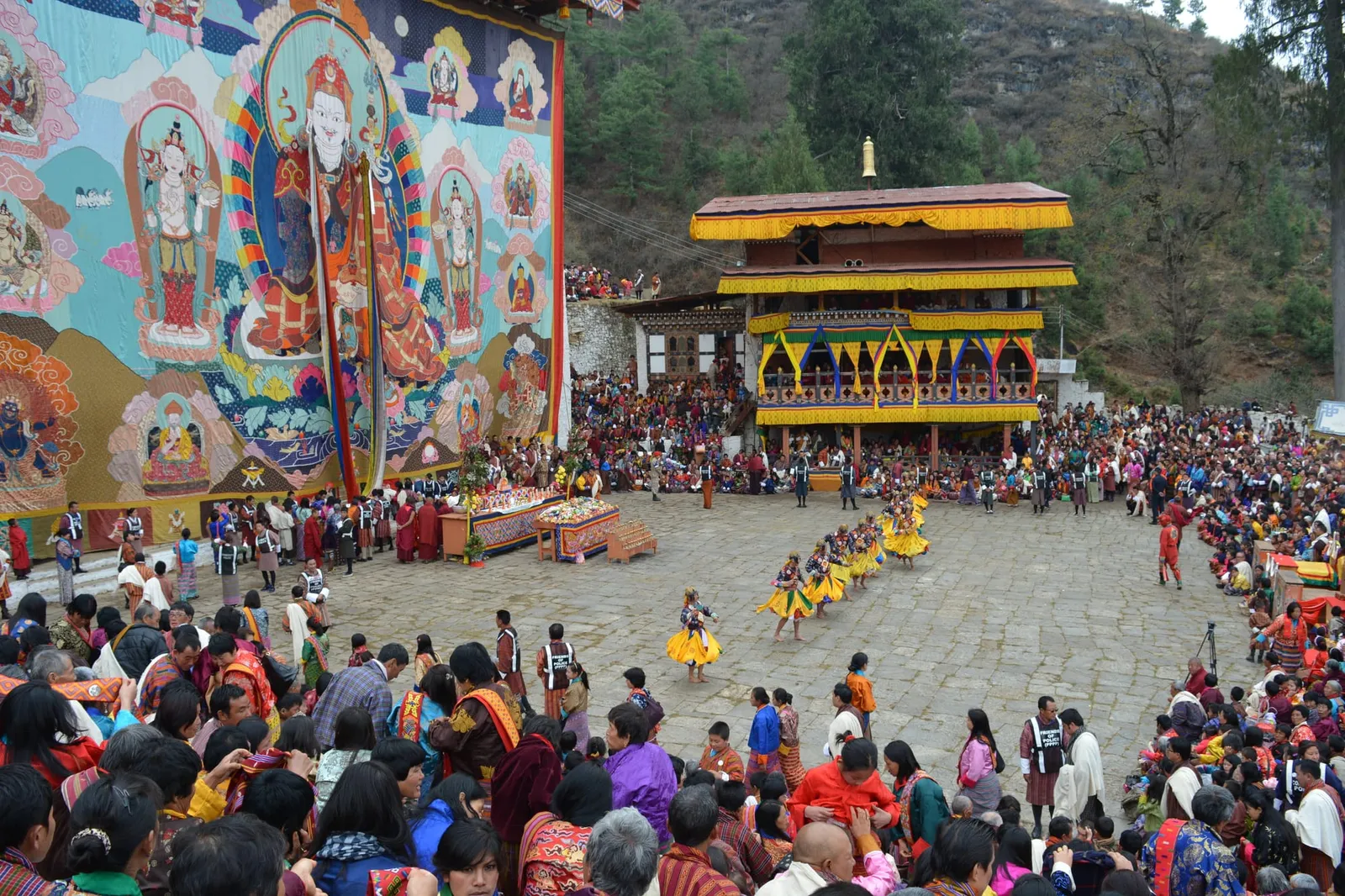
- Festivals and Holidays: Each district in Bhutan celebrates its unique annual tshechu. Check local schedules to plan your visit around these vibrant festivals.
- Weights and Measures: Bhutan uses metric measurements for weight, with advanced electronic scales commonly found in major cities.

- Best Price Guaranteed
- Book Now, Pay Later
- Local Expertise
- Hand-Picked Hotels
- Value for money
- Quality Service
- Responsible Tourism
- Tailor-Made Holidays
- No Booking Fee
- 100% Visa Approval
- 24/7 Customer Service
- No Hidden Costs