Lungta: Blessings Carried by the Wind – Discover Bhutan’s Sacred Wind Horse Tradition

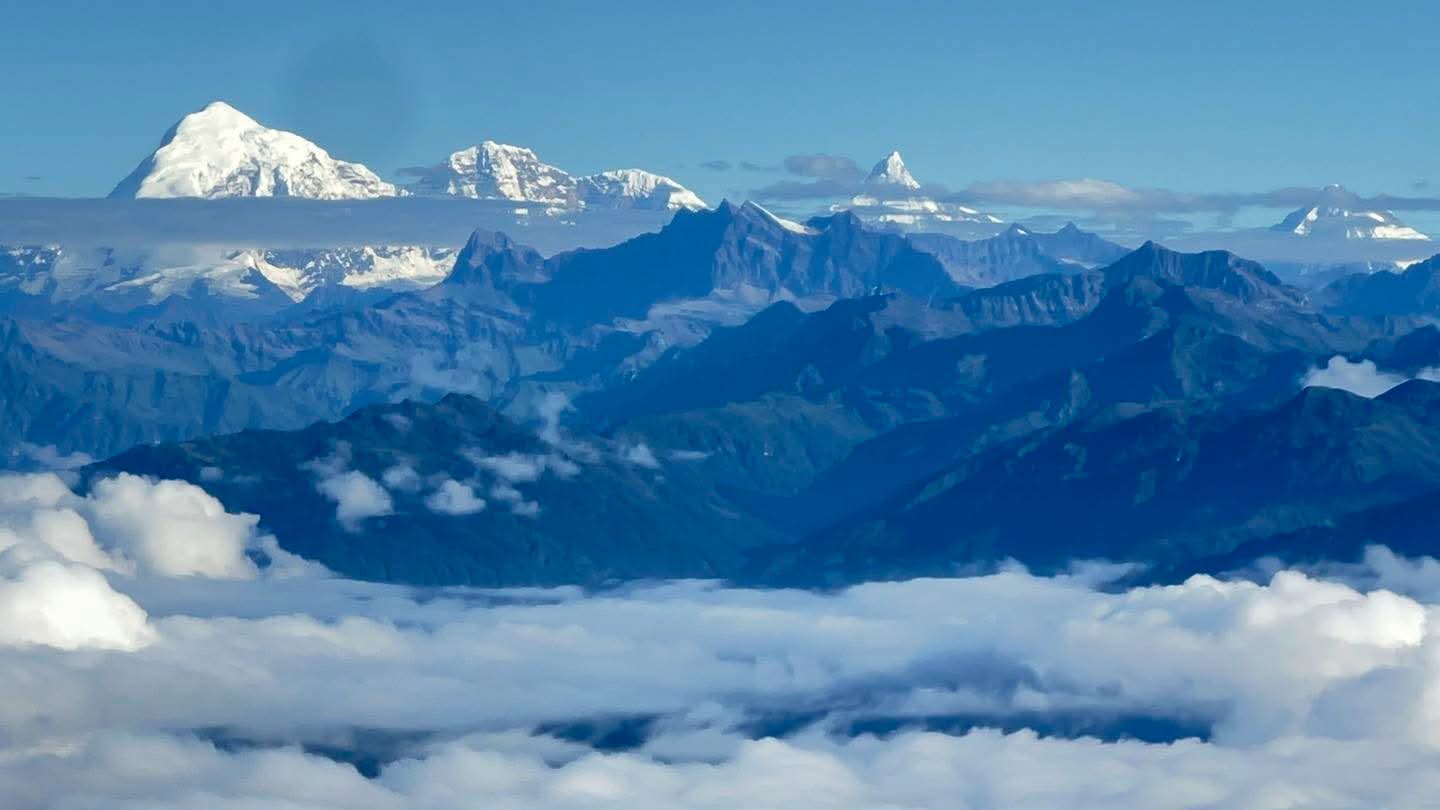
High in Bhutan’s Himalayan mountains, where prayer flags ripple across dramatic ridgelines and ancient monasteries watch over timeless valleys, the wind is believed to carry more than mountain air—it carries prayers, hopes, and blessings.

Among Bhutan’s most beautiful spiritual traditions is Lungta (རླུང་རྟ་), the Wind Horse. More than a simple ritual, Lungta represents faith in motion, where every breeze becomes a messenger between humanity and the divine. Whether standing atop a sacred mountain pass, beside an ancient stupa, or overlooking a peaceful valley, the sight of colourful Lungta papers dancing into the sky is both unforgettable and deeply moving.

For travellers exploring Bhutan, witnessing—or respectfully participating in—this centuries-old tradition offers a profound glimpse into the country’s living Buddhist heritage and its enduring relationship with nature.


What Is Lungta?

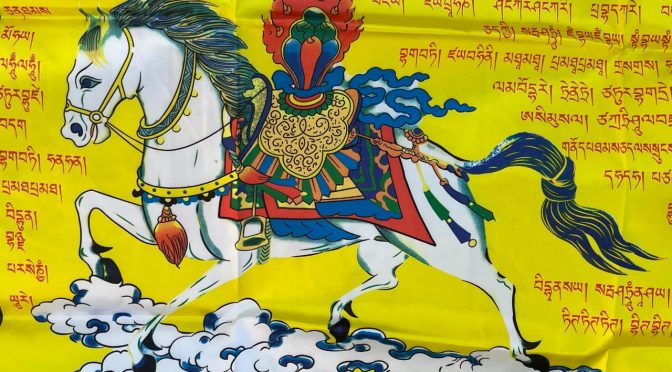
The word Lungta literally translates to “Wind Horse” in Tibetan and Bhutanese Buddhist tradition. It refers to small rectangular papers printed with sacred mantras, auspicious symbols, prayers, and the mythical Wind Horse carrying the Wish-Fulfilling Jewel.

Unlike prayer flags that remain suspended in the wind, Lungta papers are released into the air during a sacred ritual known as Sowing Lungta, allowing the wind itself to scatter blessings across mountains, valleys, and beyond.

Each piece symbolizes wishes for:

  • Happiness
  • Good health
  • Prosperity
  • Success
  • Longevity
  • Peace
  • Spiritual merit

The belief is beautifully simple yet deeply profound: once released, the wind carries these prayers throughout the universe, spreading positive energy to all sentient beings.


The Five Sacred Colours of Lungta

Every Lungta offering consists of five colours, each representing one of the five natural elements that sustain life and maintain harmony in the universe.

🟦 Blue — Sky

Representing vastness, openness, and wisdom.

🟨 Yellow — Earth

A symbol of stability, nourishment, and abundance.

🟥 Red — Fire

Representing energy, transformation, courage, and strength.

🟩 Green — Wind (Air)

Associated with movement, growth, vitality, and compassion.

⬜ White — Water

Representing purity, healing, clarity, and peace.

Together, these colours express the perfect balance between nature, humanity, and the spiritual world—a philosophy deeply woven into Bhutanese life.


The Sacred Tradition of Sowing Lungta

Across Bhutan, the ritual of Sowing Lungta remains an important spiritual practice observed by monks, pilgrims, families, and local communities.

Rather than simply throwing paper into the air, devotees perform the ritual with mindfulness and sincere intention.

As handfuls of colourful Lungta catch the mountain wind, they swirl into the endless Himalayan sky, carrying heartfelt prayers far beyond the horizon.

For many Bhutanese, this symbolic act represents letting go of fear, attachment, and suffering while offering hope and compassion to the world.


When Is Lungta Sown?

The ritual accompanies many important moments throughout life.

Crossing Sacred Mountain Passes

Travellers often stop at high passes adorned with fluttering prayer flags to offer Lungta, expressing gratitude for a safe journey while seeking blessings for the road ahead.

Visiting Monasteries and Holy Sites

Before entering revered temples, stupas, or meditation caves, devotees may release Lungta as an offering of respect and devotion.

During Buddhist Festivals

Festivals such as Saga Dawa, one of the holiest months in the Buddhist calendar, are considered especially auspicious times to perform the ritual.

Weddings and House Blessings

Families sow Lungta to bless newlyweds, new homes, and important life milestones, praying for harmony, prosperity, and lasting happiness.

Religious Ceremonies

Monastic rituals often include Lungta offerings dedicated to the well-being of communities, loved ones, and all living beings.


The Meaning Behind the Ritual

Although simple in appearance, every Lungta ceremony carries layers of symbolism.

The ritual represents:

  • Spreading blessings across the world
  • Inviting good fortune and positive energy
  • Dispelling obstacles and negative influences
  • Honouring deceased loved ones
  • Praying for peace and harmony
  • Strengthening one’s spiritual merit

Rather than asking only for personal happiness, Bhutanese Buddhism encourages prayers that benefit every living being.

This selfless intention lies at the heart of the Lungta tradition.


How the Lungta Ritual Is Performed
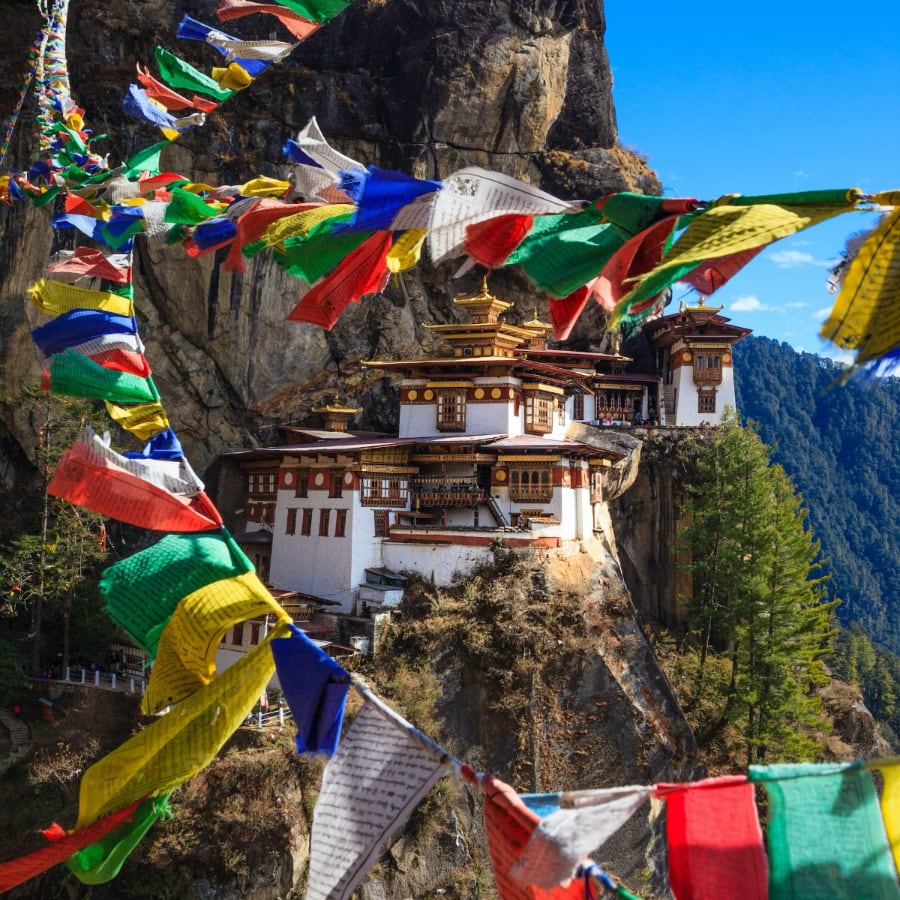
Tiger nest Tempel with prayer flag Visitors may occasionally witness this beautiful ceremony during their journey through Bhutan.The ritual generally follows several meaningful steps.

Preparing the Lungta

Special papers printed with sacred mantras, Buddhist prayers, protective deities, and the Wind Horse symbol are carefully prepared.

Chanting Sacred Prayers

Before releasing the papers, practitioners often recite mantras such as:

Om Mani Padme Hum

One of Buddhism’s most cherished mantras, invoking compassion and wisdom.

Releasing the Offering

Standing on a mountain ridge, beside a stupa, or at another sacred location, the Lungta papers are cast gently into the wind—traditionally while facing an auspicious direction.

Calling Out the Blessing

As the papers soar through the air, devotees often joyfully shout:

“Lha Gyal Lo!”

Meaning:

“Victory to the Gods!”

The echo of these words across Bhutan’s mountains creates a truly unforgettable spiritual moment.


More Than a Ritual: A Living Cultural Heritage

Lungta is not only a religious practice—it is also one of Bhutan’s most recognizable cultural symbols.

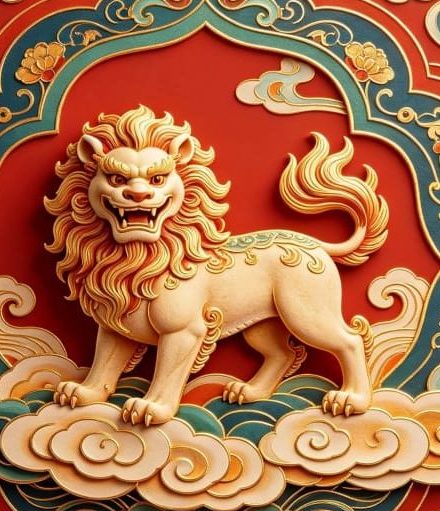
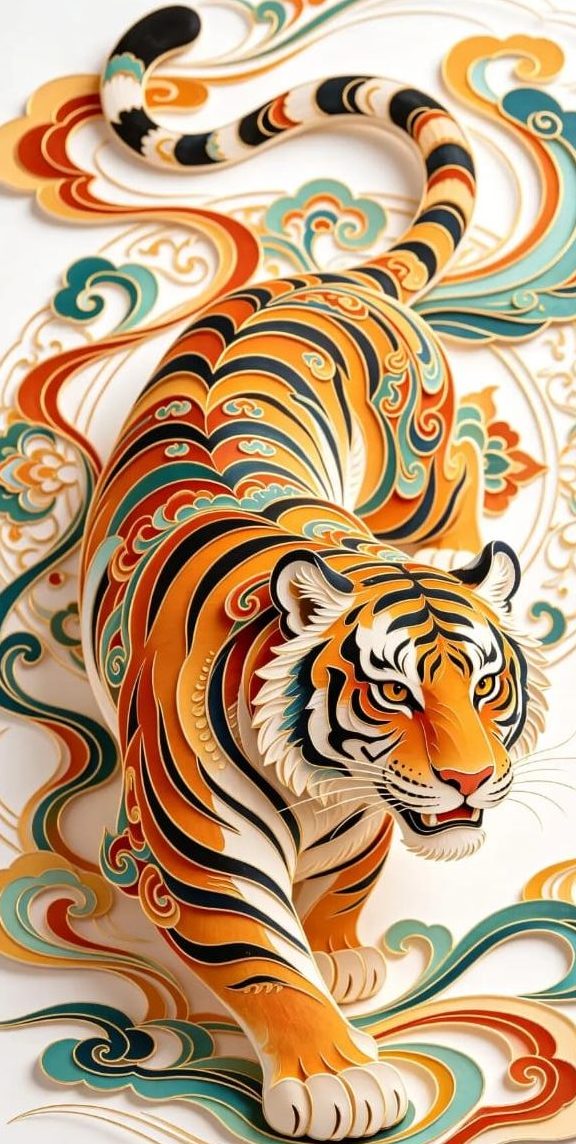
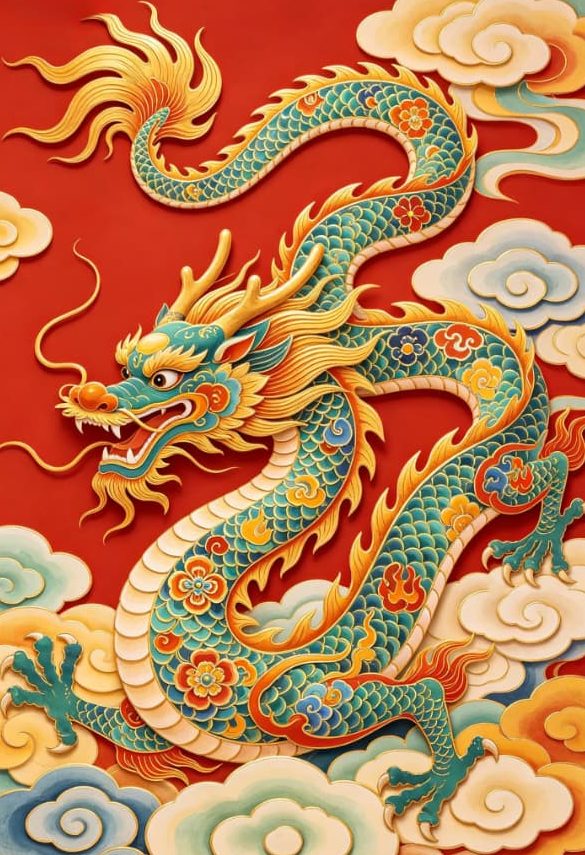
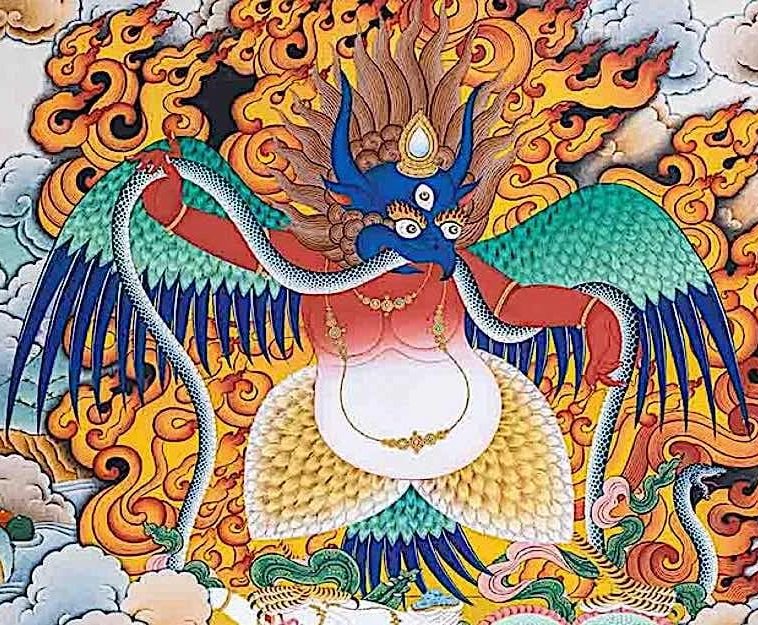
The artwork printed on each paper often features:

  • The mythical Wind Horse carrying the Wish-Fulfilling Jewel
  • Snow LionsLion
  • TigersTiger
  • Dragons
  • Garudas
  • Sacred Buddhist scriptures

Commonly printed prayers include:

  • Heart Sutra
  • Tara Mantra
  • Amitayus Mantra

These sacred designs transform each paper into both a spiritual offering and a work of traditional Himalayan art.


A Tradition That Respects Nature

Bhutan’s profound respect for the environment extends naturally to its religious practices.

Today, many Lungta papers are produced using biodegradable materials, ensuring that spiritual traditions continue in harmony with Bhutan’s commitment to environmental conservation.

This reflects the country’s unique philosophy that caring for nature is itself an act of spiritual responsibility.


Lungta in the Modern World

Although rooted in ancient Buddhist tradition, Lungta continues to inspire people around the globe.

Today you may find Lungta:

  • Released by pilgrims travelling to sacred Himalayan mountains
  • Used during Bhutanese New Year celebrations
  • Sown during personal milestones and family ceremonies
  • Featured in contemporary art and design
  • Inspiring textiles, home décor, photography, and fashion

For younger generations, Lungta remains both a sacred ritual and a proud expression of Bhutanese identity.


Experience Bhutan’s Living Spiritual Traditions

One of the greatest privileges of travelling through Bhutan is witnessing traditions that remain vibrant in everyday life.

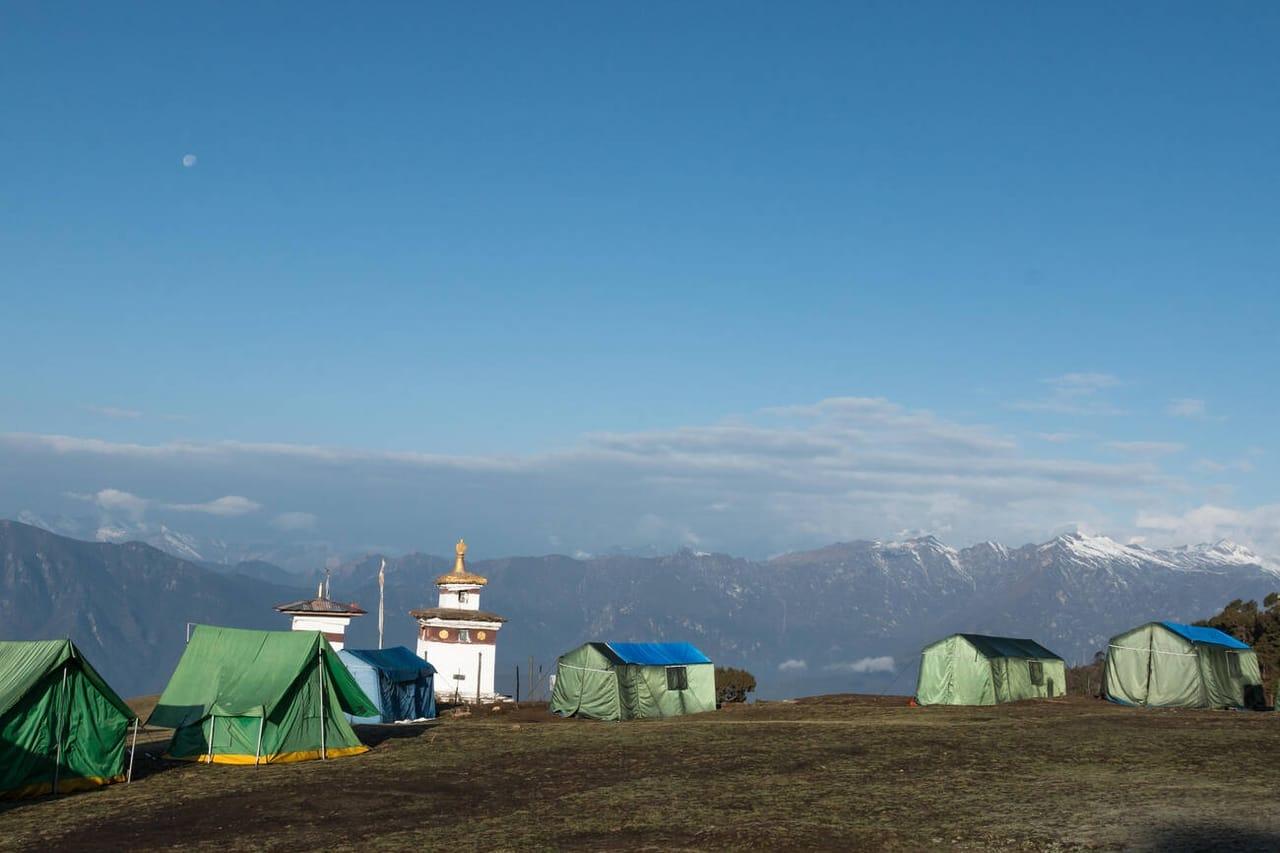
Whether you are crossing the spectacular Dochula Pass, hiking to the legendary Tiger’s Nest Monastery, exploring peaceful valleys, or visiting ancient temples, you may encounter colourful Lungta dancing across the Himalayan sky.

These quiet yet powerful moments often become the memories travellers treasure most—not because they are spectacular, but because they reveal Bhutan’s enduring spirit of compassion, mindfulness, and harmony with nature.

At Ling Travel Bhutan, our carefully crafted cultural journeys introduce visitors to these authentic traditions with genuine respect and local insight. From sacred monasteries and vibrant festivals to remote villages and breathtaking mountain passes, every experience offers a deeper understanding of Bhutan’s extraordinary spiritual heritage. Whether you are seeking a cultural tour, trekking adventure, wellness retreat, wildlife experience, or festival journey, our local experts are here to help you experience the true heart of the Kingdom.


Let the Wind Carry Your Blessings

In Bhutan, the wind is never just wind.

It is believed to carry prayers across valleys, over snow-capped mountains, and into the boundless sky.

To sow Lungta is to release your hopes, your gratitude, your compassion, and your dreams into the universe.

Perhaps one day, while standing on a quiet Himalayan pass surrounded by fluttering prayer flags, you too will toss a handful of colourful Lungta into the mountain breeze.

Watch as they rise effortlessly into the sky.

Let go.
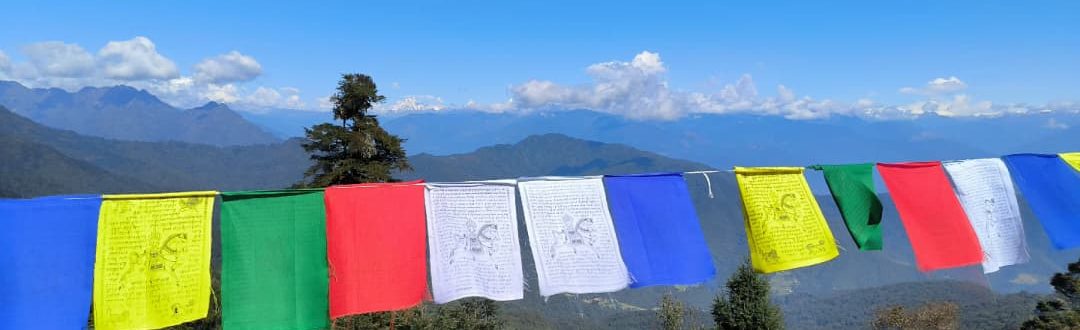
Let the wind carry your blessings.

And let Bhutan leave a lasting imprint upon your heart.

ཨོཾ་བཛྲ་ཨཱ་ཡུ་ཥཱེ་སྭཱ་ཧཱ། བདག་ཅག་གི་ཚེ་དང་བསོད་ནམས་དཔལ་དང་རླུང་རྟ་ཐམས་ཅད་གོང་ནས་གོང་དུ་བསྐྱེད་ཅིག

om benza ayukhé soha | dakchak gi tsé dang sönam pal dang lungta tamché gong né gong du kyé chik

 Increase our lifespan, merit, glory and windhorse further and further!
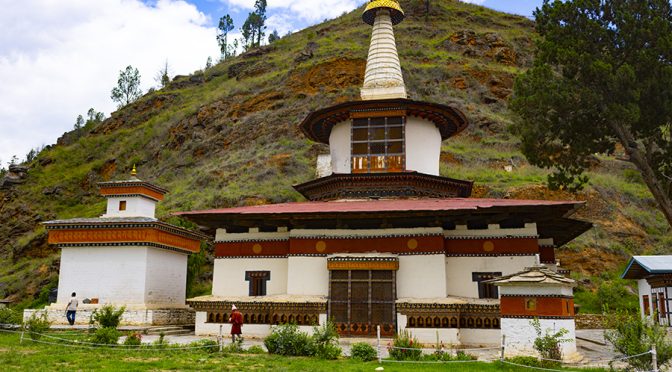
Jangtsa Dumtseg Lhakhang: Bhutan’s Mysterious Three-Storey Chorten Temple

Discover One of Bhutan’s Best-Kept Spiritual Secrets

Hidden among the emerald fields and traditional farmhouses of the peaceful Paro Valley stands one of Bhutan’s most extraordinary yet often overlooked sacred monuments—Jangtsa Dumtseg Lhakhang. Unlike any other temple in the kingdom, this remarkable 15th-century sanctuary was built not as a monastery or fortress, but as a three-storey chorten (stupa), making it one of Bhutan’s rarest architectural masterpieces.

While many travellers flock to the iconic Tiger’s Nest Monastery or the imposing Rinpung Dzong, those who venture to Jangtsa Dumtseg Lhakhang discover a quieter, more intimate side of Bhutan’s spiritual heritage. Every level of this mystical temple unveils profound Buddhist teachings through centuries-old murals, sacred iconography, and intricate symbolism, offering visitors a journey that is as enlightening as it is unforgettable.

Steeped in legend, devotion, and artistic brilliance, Jangtsa Dumtseg Lhakhang is more than a historical landmark—it is a living testament to Bhutan’s enduring Buddhist traditions. For travellers seeking authentic cultural experiences beyond the well-trodden paths, this hidden gem provides a rare opportunity to explore the spiritual heart of the Land of the Thunder Dragon.


The Fascinating History of Jangtsa Dumtseg Lhakhang

Jangtsa Dumtseg Lhakhang was constructed in 1421 by the legendary Tibetan saint Thangtong Gyalpo, one of the Himalayas’ most revered spiritual figures. Celebrated as an accomplished yogi, physician, engineer, and visionary bridge builder, he earned the enduring title of the “Iron Bridge Builder” for constructing numerous iron suspension bridges that connected isolated Himalayan communities.

Yet his legacy extends far beyond engineering. Throughout Bhutan and Tibet, Thangtong Gyalpo is remembered as a compassionate master who blended practical innovation with profound spiritual wisdom.

According to Bhutanese tradition, the temple was built to subdue a powerful female demon believed to be disturbing the peace and prosperity of the Paro Valley. Rather than defeating this negative force through violence, Thangtong Gyalpo transformed it through compassion and enlightened wisdom.

This powerful legend reflects one of Buddhism’s central teachings—that ignorance, fear, and suffering are not destroyed but transformed through wisdom, mindfulness, and compassion.

More than six centuries later, Jangtsa Dumtseg Lhakhang continues to serve as an active place of worship, preserving both its sacred purpose and its extraordinary artistic heritage for future generations.


A Rare Architectural Masterpiece in Bhutan

What immediately distinguishes Jangtsa Dumtseg Lhakhang from nearly every other religious structure in Bhutan is its remarkable design.

Unlike Bhutan’s majestic dzongs, fortress monasteries, or traditional lhakhangs, this sacred monument was built as a three-storey chorten, symbolising the Buddhist understanding of the universe and the path towards enlightenment.

Its architecture is not simply functional—it is profoundly symbolic.

Each floor represents a different stage of spiritual existence, inviting visitors to ascend physically while contemplating their own inner journey.

Lower Level – The Realm of Suffering

The first level represents the lower realms of existence.

Its symbolic paintings illustrate the consequences of ignorance, attachment, and harmful actions. Through vivid Buddhist imagery, visitors are reminded of the importance of ethical conduct, compassion, and mindfulness in everyday life.

Rather than creating fear, these artworks encourage reflection and personal growth.

Middle Level – The Human World

The second floor represents the human realm.

According to Buddhist philosophy, human life offers the precious opportunity to practise kindness, cultivate wisdom, and progress along the path to enlightenment.

This level celebrates the balance between worldly responsibilities and spiritual development, reminding visitors that every action shapes one’s future.

Upper Level – The Heavenly Realms

The highest floor symbolises enlightenment and the celestial realms.

Here, the journey culminates in liberation from suffering, where wisdom triumphs over attachment and ignorance.

Ascending through the three levels becomes a symbolic pilgrimage from darkness to awakening—a remarkable architectural expression of Buddhist philosophy rarely found elsewhere in Bhutan.


Ancient Murals That Tell Timeless Stories

One of Jangtsa Dumtseg Lhakhang’s greatest treasures lies hidden within its beautifully preserved interior.

The temple houses some of Bhutan’s finest surviving examples of early Buddhist mural painting, many dating back centuries.

Visitors can admire:

  • Magnificent centuries-old Buddhist murals
  • Intricately painted mandalas rich in symbolic meaning
  • Sacred depictions of enlightened Buddhas and Bodhisattvas
  • Traditional Buddhist iconography illustrating the cycle of life
  • Detailed paintings representing humanity’s journey from ignorance to enlightenment

Every wall serves as a visual scripture, teaching profound Buddhist lessons through colour, symbolism, and artistic mastery.

For historians, artists, photographers, and spiritual travellers alike, these murals offer an invaluable glimpse into Bhutan’s artistic legacy and religious traditions.


A Living Place of Worship

Although admired for its historical significance, Jangtsa Dumtseg Lhakhang remains first and foremost a living religious sanctuary.

Local devotees continue to visit throughout the year to honour centuries-old traditions and seek spiritual guidance.

Pilgrims come here to:

  • Offer prayers for peace, health, and prosperity
  • Receive blessings from resident monks
  • Reflect upon Buddhist teachings through sacred symbolism
  • Participate in religious ceremonies and seasonal festivals

The temple’s peaceful atmosphere encourages quiet contemplation, making it a meaningful destination regardless of one’s religious beliefs.

Walking through its sacred chambers is not simply sightseeing—it is an invitation to experience Bhutan’s living spiritual heritage firsthand.


Where is Jangtsa Dumtseg Lhakhang?

Jangtsa Dumtseg Lhakhang is located just outside Paro Town, overlooking one of Bhutan’s most beautiful valleys.

Surrounded by traditional farmhouses, fertile agricultural land, prayer flags, and forested hillsides, the temple enjoys a tranquil setting that perfectly reflects Bhutan’s harmonious relationship with nature.

Its convenient location makes it easy to combine with several of Paro’s most celebrated attractions, including:

  • Kyichu Lhakhang, one of Bhutan’s oldest and holiest temples
  • Taktsang (Tiger’s Nest Monastery), Bhutan’s iconic cliffside monastery
  • Rinpung Dzong, one of Bhutan’s finest fortress monasteries
  • The charming streets, cafés, and artisan shops of Paro Town

Many visitors choose to explore these landmarks together, gaining a comprehensive introduction to Bhutan’s rich Buddhist heritage and architectural wonders. This route also aligns with Ling Travel Bhutan’s cultural itineraries, where guests explore Paro’s most revered spiritual landmarks alongside authentic local experiences.


Best Time to Visit Jangtsa Dumtseg Lhakhang

Jangtsa Dumtseg Lhakhang welcomes visitors throughout the year, but two seasons provide particularly memorable experiences.

Spring (March–May)

Spring transforms the Paro Valley into a spectacular landscape of flowering rhododendrons, blossoming orchards, and vibrant greenery.

Pleasant temperatures and clear skies make this one of the best times for sightseeing, photography, and hiking.

Autumn (September–November)

Autumn offers crisp Himalayan air, brilliant blue skies, and exceptional mountain visibility.

This is also Bhutan’s peak festival season, allowing visitors to combine sacred temple visits with colourful religious celebrations and traditional mask dances.

Both seasons showcase Bhutan at its most beautiful while providing ideal conditions for cultural exploration.


Why Jangtsa Dumtseg Lhakhang Should Be on Your Bhutan Itinerary

While Bhutan’s famous landmarks rightly attract global attention, places like Jangtsa Dumtseg Lhakhang reveal the quieter, more contemplative side of the kingdom.

Here, visitors experience:

  • Rare Bhutanese religious architecture
  • Extraordinary Buddhist art
  • Ancient spiritual symbolism
  • Living religious traditions
  • Peaceful surroundings away from larger tourist crowds

Its blend of mythology, history, architecture, and active spiritual practice creates an experience unlike any other in Bhutan.

Whether you are fascinated by sacred architecture, Buddhist philosophy, photography, history, or cultural heritage, Jangtsa Dumtseg Lhakhang offers an enriching journey into Bhutan’s timeless soul.


Experience Jangtsa Dumtseg Lhakhang with Ling Travel Bhutan

Jangtsa Dumtseg Lhakhang is proudly featured in Ling Travel Bhutan’s 7-Day Essential Bhutan Travel itinerary, where travellers explore this remarkable sanctuary alongside Kyichu Lhakhang, the legendary Tiger’s Nest Monastery, and many of Bhutan’s most treasured spiritual landmarks. The itinerary is designed to immerse guests in Bhutan’s living Buddhist traditions, combining sacred temples, historic dzongs, authentic village experiences, and breathtaking Himalayan landscapes.

At Ling Travel Bhutan, every journey is thoughtfully crafted to go beyond sightseeing. With experienced local guides, personalised service, and carefully designed itineraries, travellers gain deeper insight into Bhutan’s culture, spirituality, nature, and warm hospitality. Whether you are seeking cultural exploration, trekking adventures, wellness retreats, luxury holidays, or authentic local encounters, Ling Travel Bhutan offers journeys that reveal the true spirit of the Kingdom.

Whether you are captivated by sacred architecture, fascinated by ancient Buddhist art, or searching for meaningful cultural experiences, Jangtsa Dumtseg Lhakhang promises an unforgettable visit. Its mysterious legends, remarkable three-tiered design, centuries-old murals, and serene location make it one of the Paro Valley’s most rewarding hidden gems.

Travel with Ling Travel Bhutan and discover this extraordinary sanctuary as part of a carefully curated journey through the Land of the Thunder Dragon, where every monastery, temple, valley, and mountain tells another chapter in Bhutan’s timeless story of spirituality, culture, and happiness.