Ling Travel Bhutan – Your Trusted Bhutan Travel Partner
Ling Travel Bhutan is a licensed Destination Management Company (DMC) based in Thimphu, Bhutan, founded by Ugyen Tashi.
We specialize in tailor-made Bhutan travel experiences, offering cultural tours, trekking adventures, spiritual journeys, festival tours, cycling holidays, wildlife experiences, and wellness retreats.
Our team is dedicated to providing authentic Bhutanese hospitality, personalized itineraries, professional local guides, comfortable accommodation, and seamless travel arrangements.
We welcome international travellers, families, private groups, and travel agencies seeking authentic experiences in the Kingdom of Bhutan.
Discover Bhutan with local expertise and genuine Bhutanese hospitality.
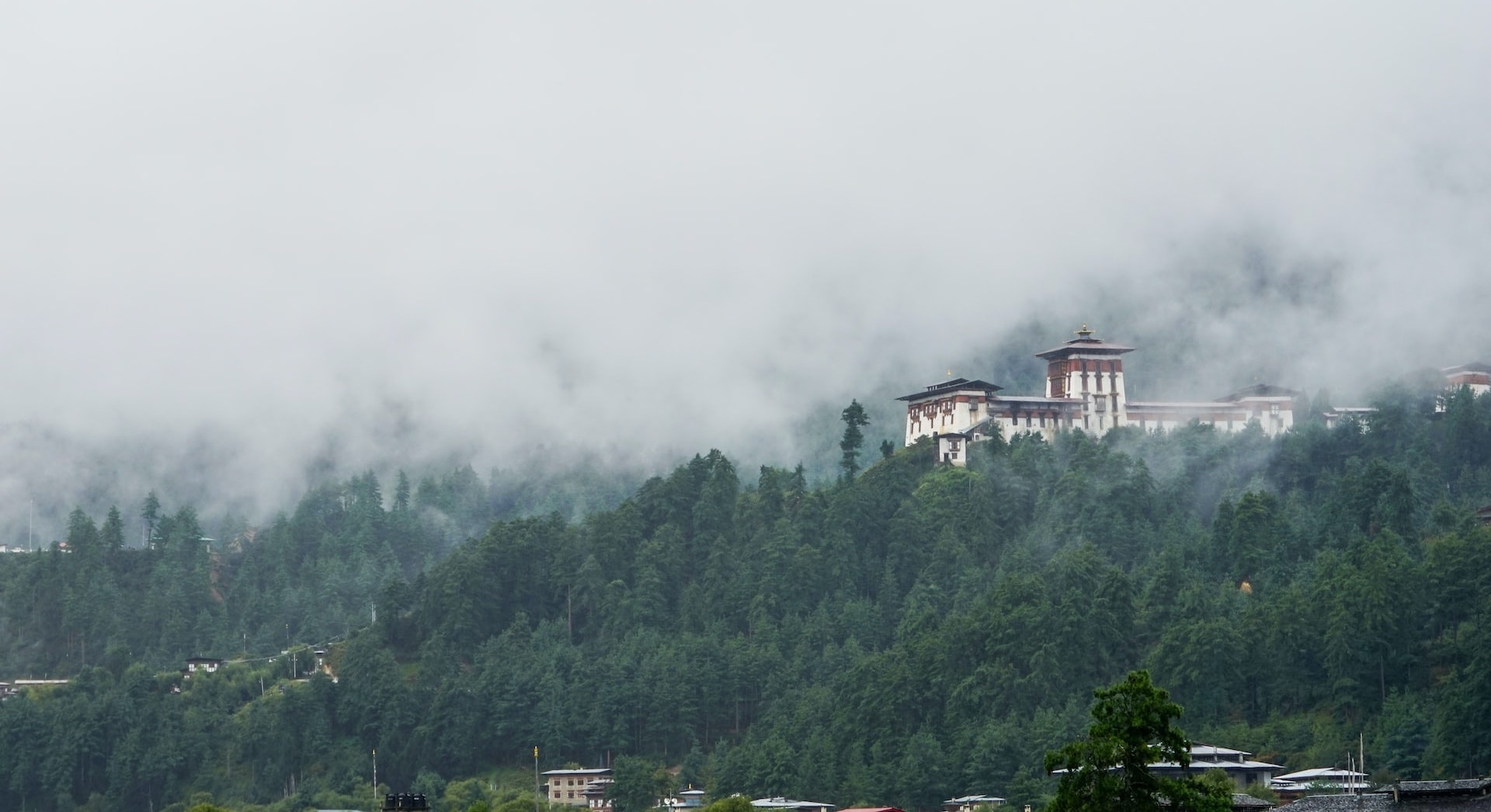
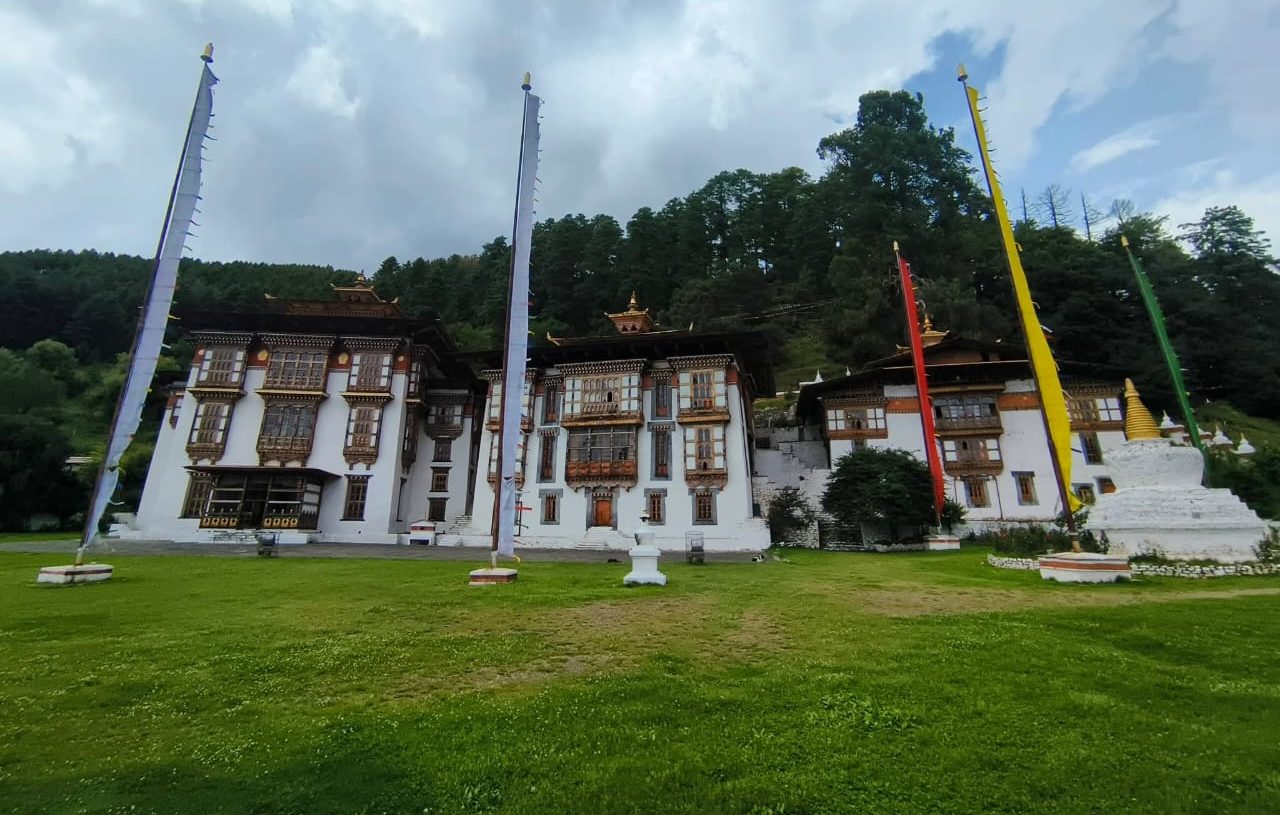
A Journey Through Bhutan’s Royal and Spiritual HeritagePerched high above the iconic Trongsa Dzong, the Ta Dzong National Museum stands as a testament to Bhutan’s rich cultural and spiritual legacy. Originally built in 1652 as a strategic watchtower, this historic structure has been transformed into a Royal Heritage Museum, offering visitors a deep dive into the intertwined stories of Bhutanese monarchy, Buddhism, art, and tradition.For travellers exploring central Bhutan, Ta Dzong is more than just a museum—it’s a living repository of the kingdom’s military history, royal lineage, and spiritual practices. Whether you’re a history enthusiast, a spiritual seeker, or a cultural explorer, Ta Dzong promises an unforgettable experience.
From Watchtower to Royal Heritage Museum
A Strategic Beginning
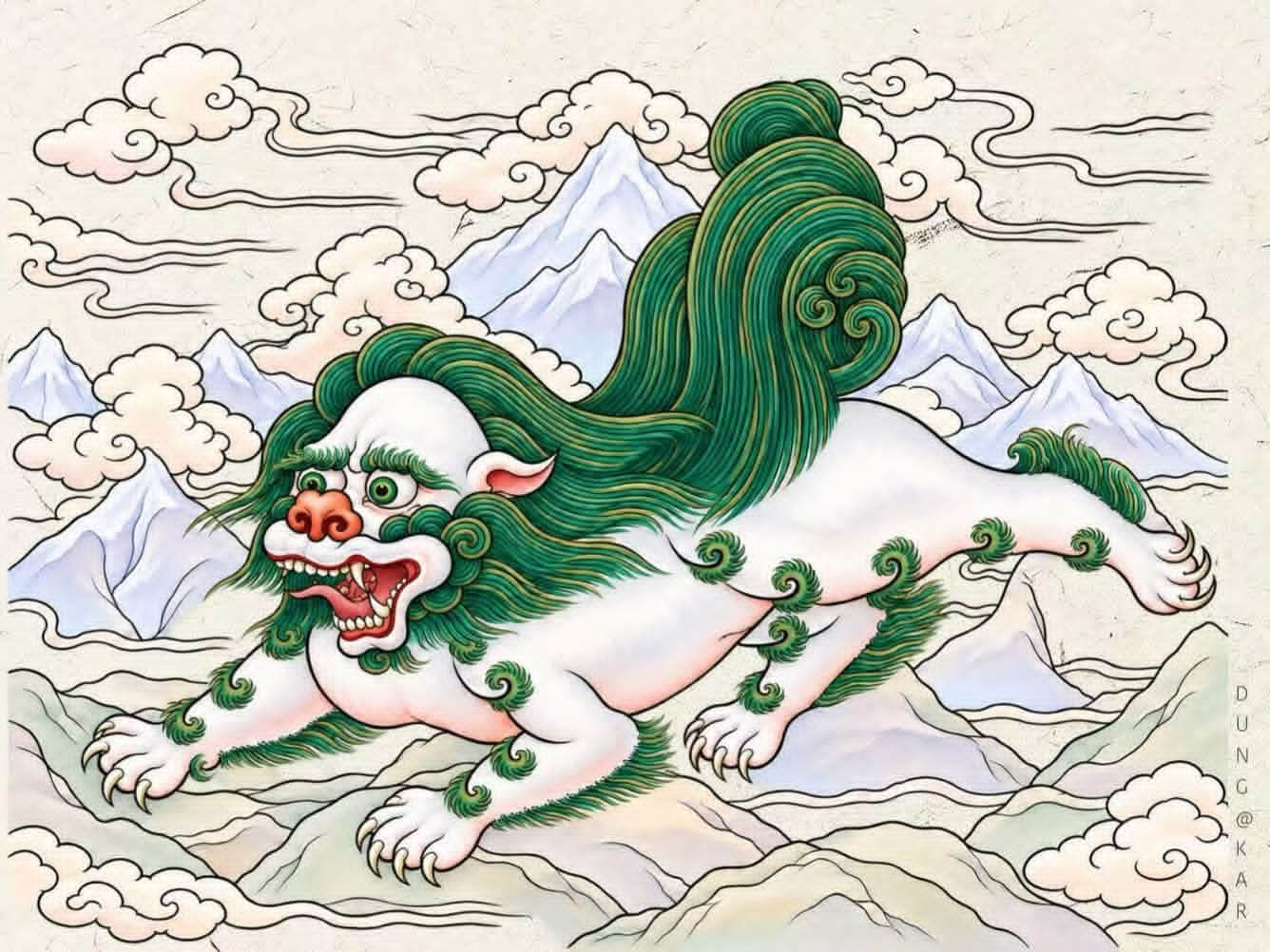
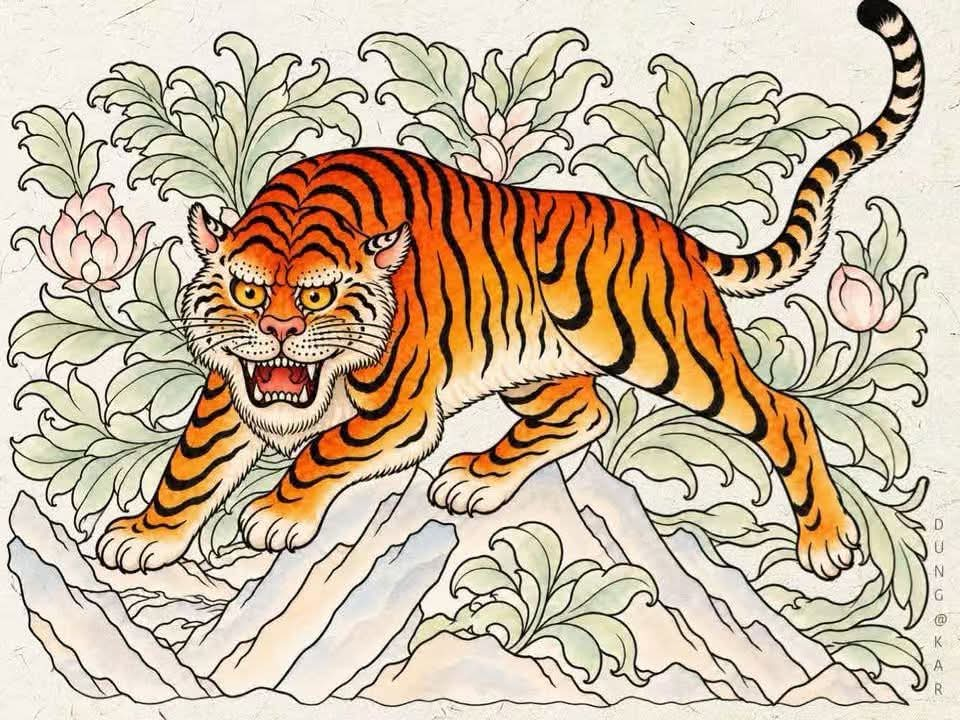
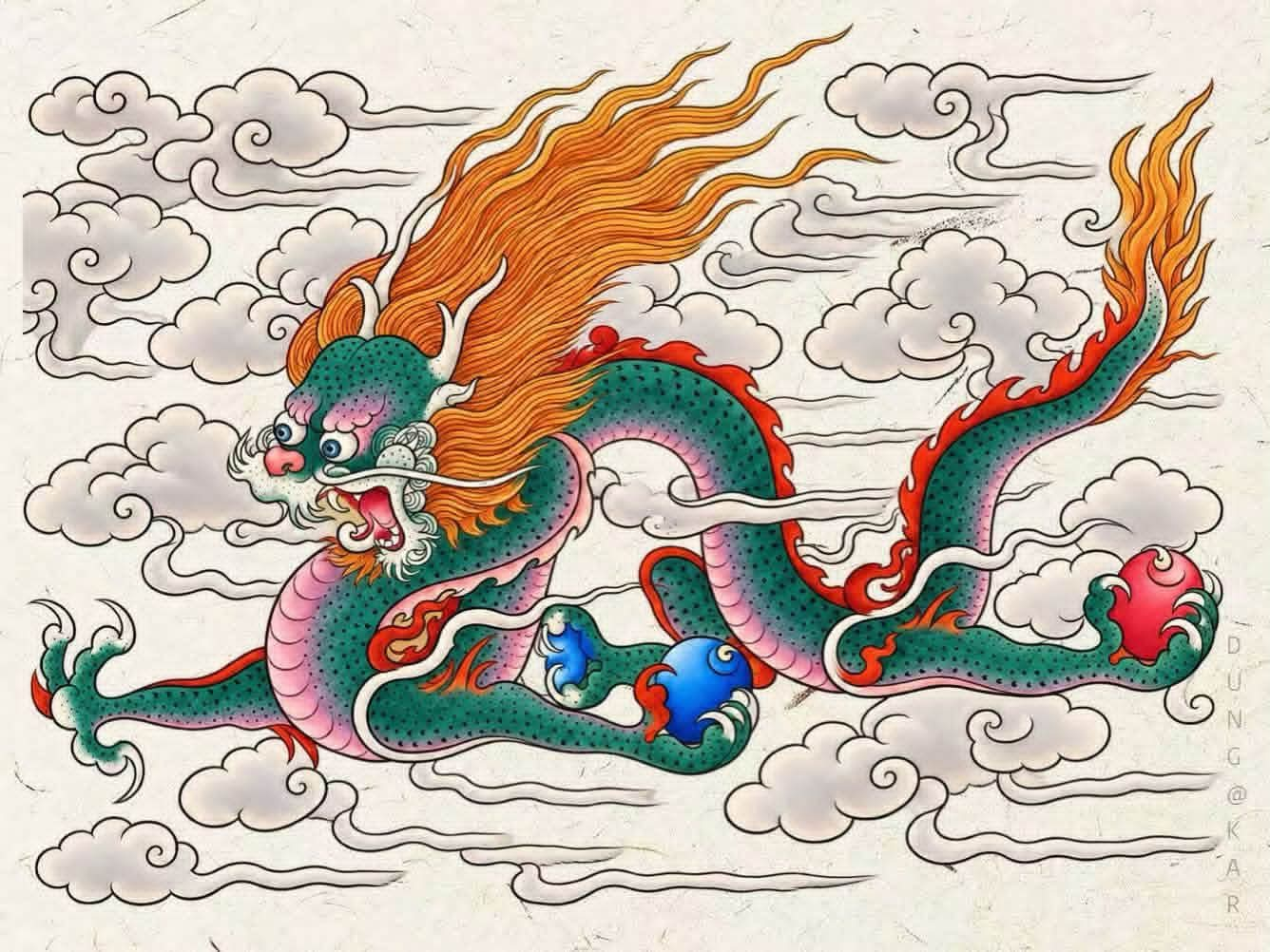
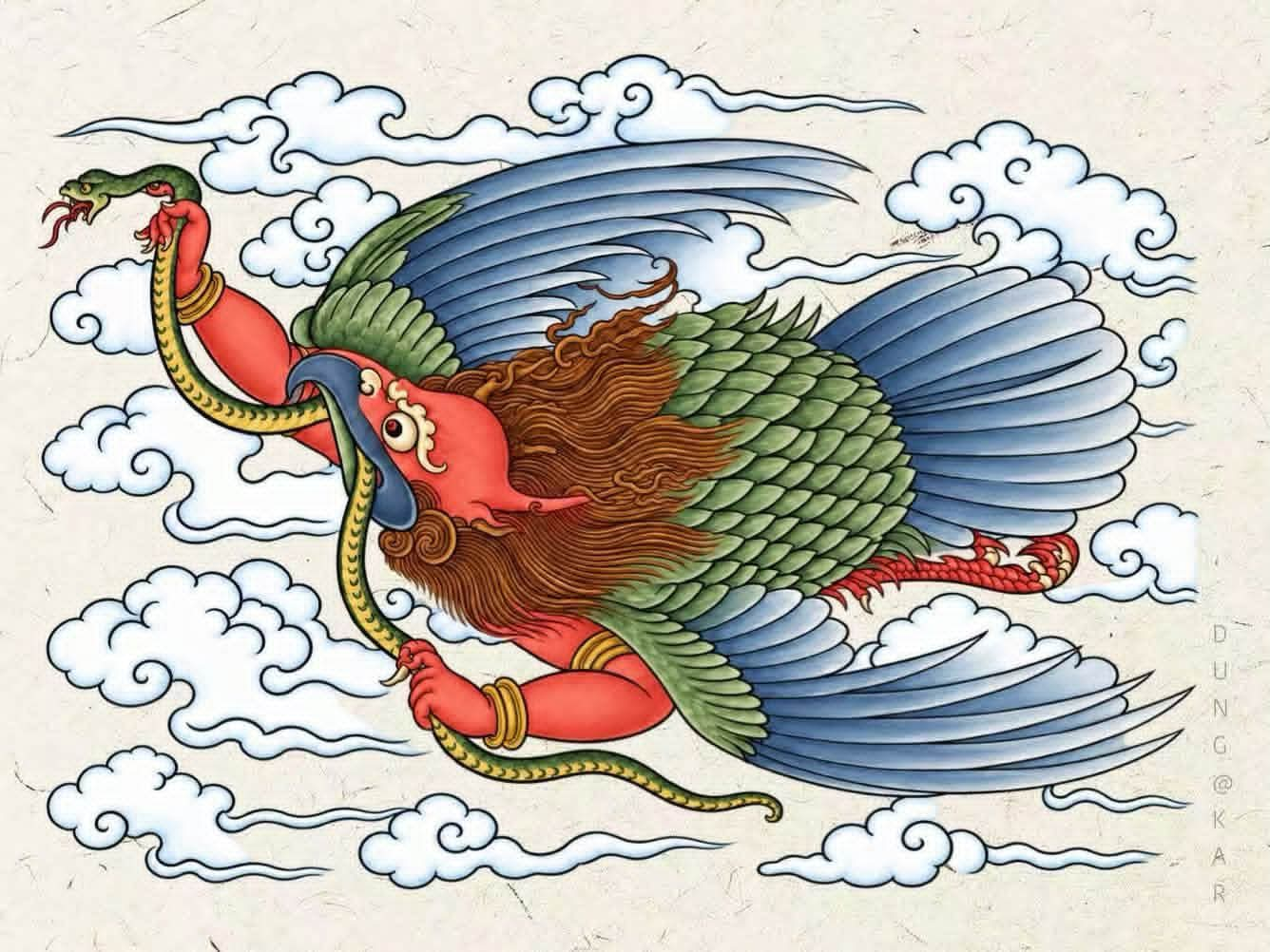
In 1652, Chogyal Minjur Tenpa, the first Governor of Trongsa, constructed Ta Dzong as a watchtower to protect the Trongsa Dzong below. Its strategic location on a commanding spur provided an unobstructed view of the surrounding landscape, with its four surveillance points symbolizing the Four Celestial Animals—Dragon, Garuda, Tiger, and Lion—each representing protection over the four cardinal directions.
A Transformation for the Ages
Between 2005 and 2008, Ta Dzong underwent extensive restoration, generously supported by the Government of Austria. In 2008, it was inaugurated as the Royal Heritage Museum, marking a new chapter in its history. Today, it serves as both a cultural institution and a place of devotion, with two active chapels preserving its sacred character.
A Museum Above Bhutan’s Royal Heartland
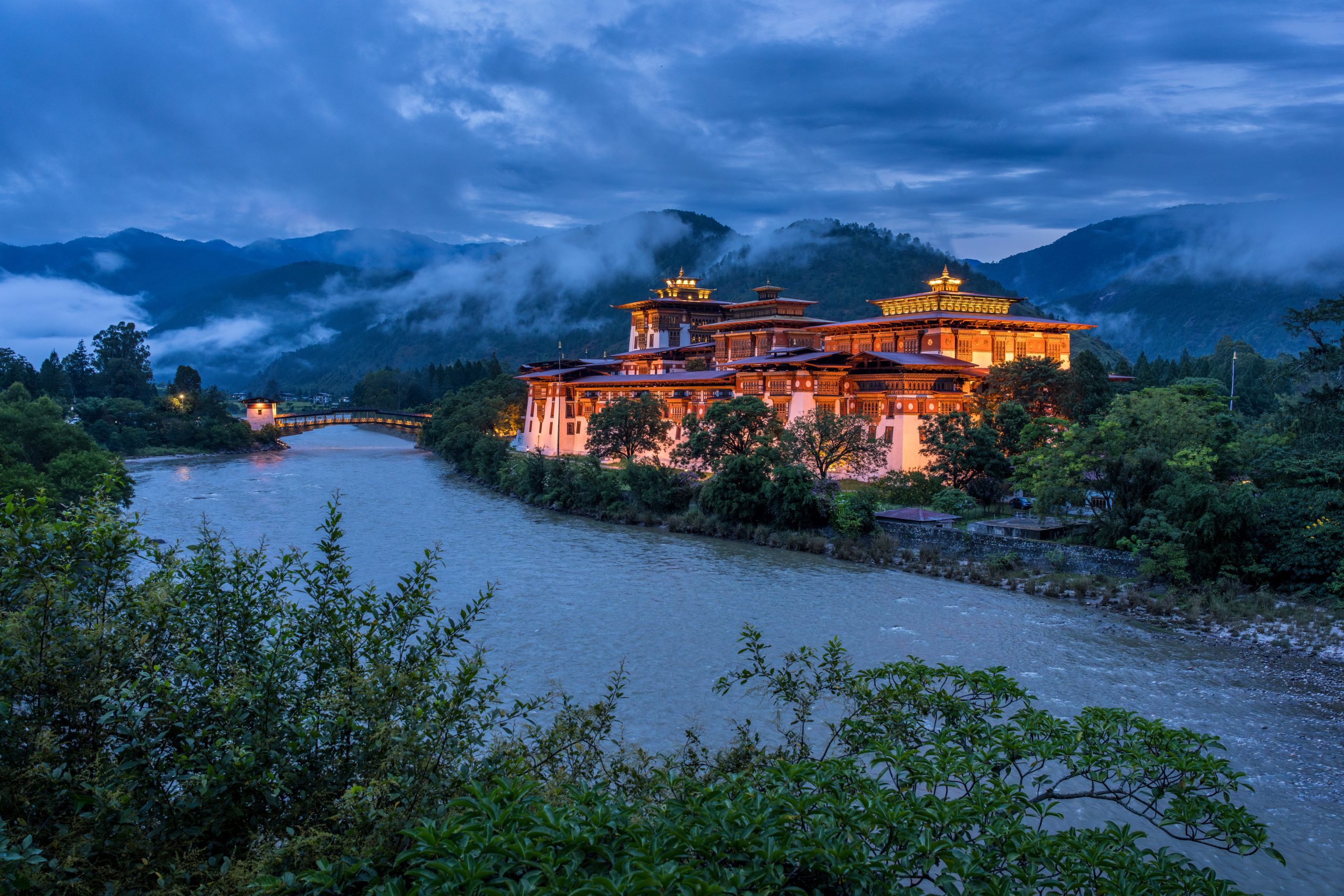
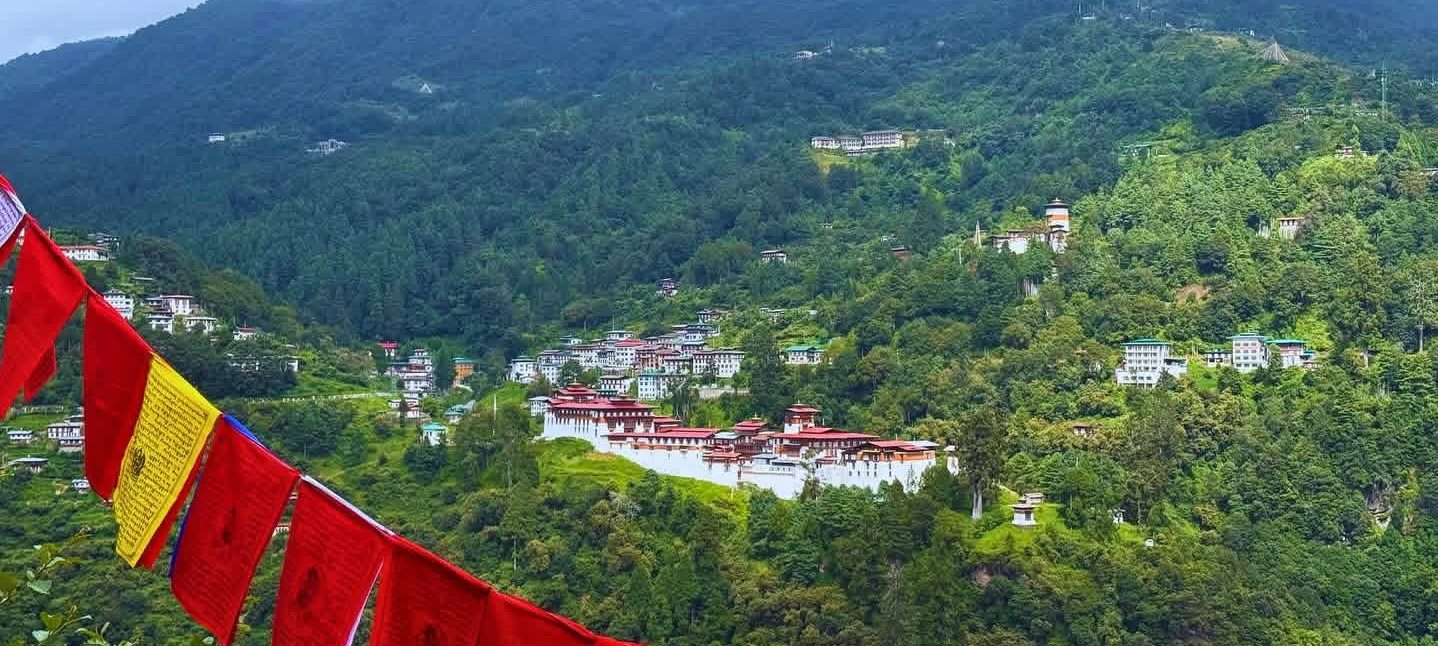
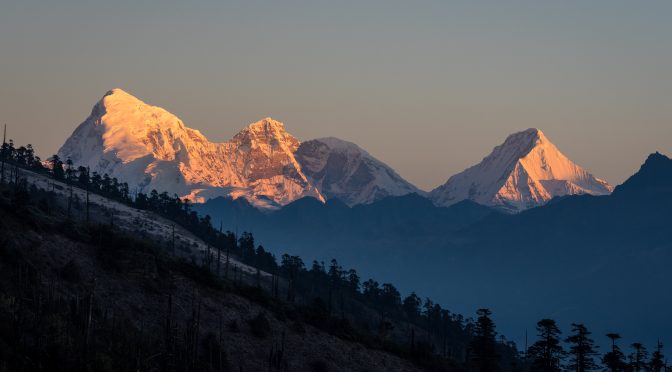
The approach to Ta Dzong from Trongsa town is an experience in itself. As you ascend, the landscape unfolds to reveal the Trongsa Dzong—one of Bhutan’s most imposing fortresses—stretching along a mountain ridge. Beyond it, the dramatic Mangde Chhu gorge and the Black Mountains create a breathtaking backdrop.
This panoramic view, once used for military surveillance, now sets the stage for your museum experience, immersing you in the historical significance of the site.
Eleven Galleries: A Journey Through Bhutan’s Legacy
Ta Dzong’s eleven galleries guide visitors through Bhutan’s royal and spiritual heritage, each offering a unique perspective on the kingdom’s rich cultural tapestry.
Highlights of the Galleries
The Four Guardian Kings: Clay statues and a prayer wheel introduce the museum’s spiritual essence.
Ngagi Wangchuk and the Early Sacred Site: Personal relics of the 16th-century sage Ngagi Wangchuk and guiding deities.
The Story of the Raven Crown: Explore the legacy of Lama Chanchub Sondru and the Raven Crown, a symbol of Bhutan’s monarchy.
The Wangchuck Dynasty: Royal possessions, ceremonial objects, and photographs tracing Bhutan’s royal lineage.
Sacred Mask Dances: Vibrant Tshechu masks and costumes from Bhutan’s famous religious festivals.
Rituals and Buddhism: Ritual objects, sacred imagery, and a golden butter lamp showcasing Bhutan’s Buddhist traditions.
Temple of Ling Gesar: An active Buddhist temple for prayers and protection.
Guru Rinpoche’s Legacy: Eight manifestations of Guru Rinpoche, a central figure in Bhutanese Buddhism.
Maitreya Temple: A sacred space featuring a secret image of Drang Song.
The Five Tathagata Buddhas: A mandala scheme representing sacred geography and spiritual meaning.
Ultimate Enlightenment: A silver floating chorten symbolizing spiritual realization.
Two Active Chapels: A Living Tradition
Ta Dzong’s two active chapels—Gesar Lhakhang and Maitreya Lhakhang—offer a unique blend of history and spirituality:
Gesar Lhakhang: Dedicated to King Gesar of Ling, a legendary warrior-king.
Maitreya Lhakhang: Dedicated to Maitreya, the Buddha of the future.
These chapels emphasize the seamless connection between Bhutan’s past and its living traditions.
Why Visit Ta Dzong National Museum?
Ta Dzong is a must-visit for those seeking to go beyond Bhutan’s most famous landmarks. Here’s what you’ll gain:
A deeper understanding of Bhutan’s Wangchuck dynasty
Insights into the historical significance of Trongsa
A glimpse into Buddhist philosophy and rituals
Appreciation for Bhutanese sacred art and iconography
Knowledge of religious masks and festival traditions
A connection between monarchy and Buddhism
Pair your visit with Trongsa Dzong for a comprehensive cultural experience.
Practical Information for Visitors
Admission Fees
International Visitors: Nu. 500
Locals: Nu. 100
Free Entry: Monks, nuns, students, and seniors (65+)
Visiting Time
Museum: 1–2 hours
Combined with Trongsa Dzong: Half-day experience
Etiquette
Follow standard museum etiquette.
Show respect in the active chapels.
Adhere to photography restrictions in sacred spaces.
At Ling Travel Bhutan, we craft immersive journeys that blend cultural discovery, spiritual experiences, and adventure. Our tailored itineraries allow you to explore Bhutan’s living heritage, sacred traditions, and stunning landscapes.When you visit Trongsa, don’t just see the fortress—climb the hill, enter the watchtower, and stand beside the Raven Crown, sacred artifacts, and ancient images. Look out across the same mountains that guardians once watched centuries ago.
Ta Dzong is not just a museum—it’s a place where Bhutan’s past comes alive.
Bhutan Festival Calendar 2027 – Your Ultimate Guide by Ling Travel Bhutan
Your Gateway to Bhutan’s Rich Cultural Heritage
📜 Introduction: Why Bhutan’s Festivals Are Must-see
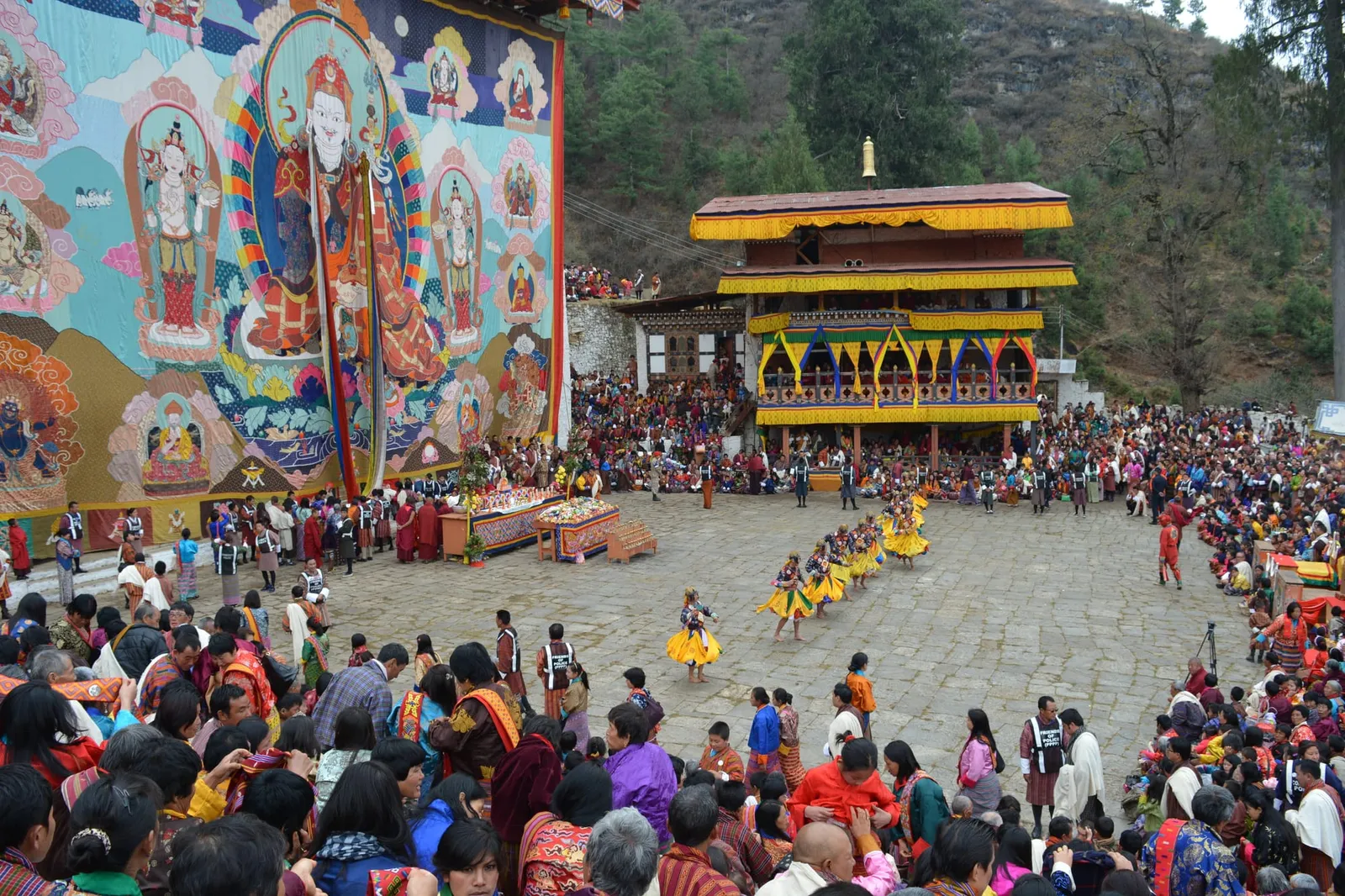
Bhutan, the Land of the Thunder Dragon, is more than a destination—it’s an experience. Nestled in the Himalayas, this small kingdom is a treasure trove of ancient traditions, vibrant culture, and spiritual depth. One of the best ways to connect with Bhutan’s soul is by attending its colorful festivals, known as Tshechus and Dromchoes.
At Ling Travel Bhutan, we believe every traveler should experience the magic of these festivals at least once. Whether you’re a culture enthusiast, spiritual seeker, or adventure lover, Bhutan’s festivals promise unforgettable memories.
Why Attend a Bhutanese Festival?
Witness masked dances performed by monks in elaborate costumes.
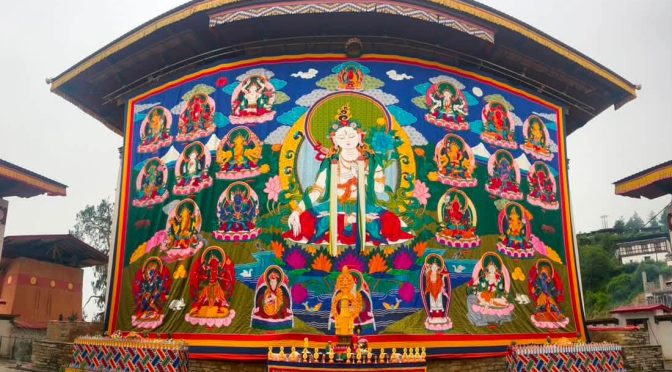
Experience the unveiling of giant Thongdrels (sacred silk scrolls) that bestow blessings.
Soak in the joyous atmosphere of communities celebrating together.
Explore Bhutan’s stunning landscapes while embracing its living heritage.
This 2027 Festival Calendar is your ultimate guide to planning the perfect trip. Mark your calendars and prepare for an adventure of a lifetime!
📅 Bhutan Festival Calendar 2027 (Tentative Dates)
⚠️ Note: All dates are based on the Bhutanese lunar calendar and are subject to change. We recommend confirming with Ling Travel Bhutan before finalizing your travel plans.
🌸 February 2027 – A Festive Start to the Year
February kicks off Bhutan’s festival season with vibrant celebrations across the kingdom. The crisp mountain air and clear skies make it an ideal time to visit.
No.
Festival
Location
Date
Highlights
1
Lhamoi Dromchhen
Trongsa Dzong, Trongsa
11th – 13th
Sacred dances honoring Guru Rinpoche
2
Punakha Dromchoe
Punakha Dzong, Punakha
13th – 15th
Reenactment of Tibetan-Bhutanese wars
3
Punakha Tshechu
Punakha Dzong, Punakha
16th – 18th
Masked dances and religious rituals
4
Tharpaling Thongdrol
Tharpaling Lhakhang, Bumthang
20th
Giant Thongdrel display
5
Tangsibi Mani
Tangsibi Lhakhang, Ura, Bumthang
22nd – 24th
Prayer flags and blessings
6
Chhorten Kora
Chorten Kora, Trashiyangtshe
20th Feb & 8th March
Circumambulation of the stupa
💡 Travel Tip: Punakha’s pleasant climate in February makes it a great time to explore Punakha Dzong, one of Bhutan’s most beautiful fortresses.
🌼 March 2027 – The Heart of Festival Season
March is one of the busiest months for festivals in Bhutan, with celebrations happening almost every week. The Paro Tshechu is a must-see!
No.
Festival
Location
Date
Highlights
7
Gomphukora
Gom Kora Lhakhang, Trashiyangtshe
16th – 18th
Sacred dances and rituals
8
Talo Tshechu
Talo Gonpa, Punakha
16th – 18th
Local village celebrations
9
Gasa Tshechu
Gasa Dzong, Gasa
16th – 18th
Remote and authentic experience
10
Zhemgang Tshechu
Zhemgang Dzong, Zhemgang
16th – 18th
Unique dances of the Khenpa people
11
Paro Tshechu
Rinpung Dzong, Paro
18th – 22nd
Thongdrel on the last day
⭐ Why Paro Tshechu is Special:
The Thongdrel (giant silk thangka) is displayed on the last day, offering blessings to all who witness it.
Paro is home to the iconic Tiger’s Nest Monastery (Paro Taktsang), which you can visit during your trip.
🌺 April 2027 – Festivals and Nature in Bloom
April brings spring blooms and a mix of cultural and nature festivals. The Rhododendron Festival is perfect for nature lovers!
No.
Festival
Location
Date
Highlights
12
Rhododendron Week
Shetemey, Merak, Trashigang
3rd – 9th
Wild rhododendron blooms and cultural shows
13
Domkhar Tshechu
Domkhar, Bumthang
16th – 18th
Traditional Bumthang dances
14
Ura Yakchoe
Ura Lhakhang, Bumthang
18th – 22nd
Sacred relic display
15
Rhododendron Festival
Lamperi Botanical Park, Thimphu
22nd – 23rd
Nature walks and flower exhibitions
🌿 Travel Tip: Combine your festival trip with a visit to Bumthang, Bhutan’s spiritual heartland, filled with ancient temples and monasteries.
🌿 June 2027 – Summer Festivals in the Himalayas
June is a quieter month for festivals but offers a chance to experience Bhutan’s serene beauty without the crowds.
No.
Festival
Location
Date
Highlights
16
Nimalung Tshechu
Nimalung Dratshang, Bumthang
12th – 14th
Monastic dances in a sacred site
17
Kurjey Tshechu
Kurjey Lhakhang, Bumthang
14th
Pilgrimage site of Guru Rinpoche
🏔️ Travel Tip: June is great for trekking in Bhutan. Consider the Bumthang Cultural Trek to combine festivals with adventure.
🍂 September 2027 – Adventure Meets Culture
September is the month for adventure seekers! The Tour of the Dragon is a world-famous mountain biking race.
No.
Festival
Location
Date
Highlights
18
Tour of the Dragon
Bumthang to Thimphu
5th
268 km mountain bike race across 4 passes!
🚴 Why Join the Tour of the Dragon?
One of the toughest and most scenic bike races in the world.
Cross 4 high-altitude passes (including Dochula at 3,100m).
Experience Bhutan’s stunning landscapes on two wheels.
🍁 October 2027 – The Grand Finale of Festival Season
October is peak festival season in Bhutan, with Thimphu Tshechu being the biggest and most colorful celebration.
No.
Festival
Location
Date
Highlights
19
Thimphu Drubchen
Tashi Chhodzong, Thimphu
5th
Dramatic reenactments of Bhutan’s victories
21
Wangdue Tshechu
Wangduephodrang
8th – 10th
Dances by the Moenpa community
22
Tamshing Phala Chhoepa
Tamshing Lhakhang, Bumthang
10th – 12th
Ancient dances of Bumthang
23
Thimphu Tshechu
Tashi Chhodzong, Thimphu
10th – 12th
The largest festival in Bhutan!
24
Gangtey Tshechu
Gangtey Gonpa, Wangduephodrang
13th – 15th
Thongdrel on the last day
25
Jhomolhari Mountain Festival
Dangochong, Thimphu
14th – 15th
Celebration of Mount Jhomolhari
26
Thangbi Mewang
Thangbi Lhakhang, Bumthang
15th – 16th
Fire dance performances
🎭 Why Thimphu Tshechu is a Must-See:
Thousands of locals gather in their finest traditional attire.
Masked dances performed by monks from across Bhutan.
The Thongdrel ceremony on the last day is a spiritual highlight.
🍃 November 2027 – Festivals in the Kingdom’s East
November is a great time to explore Eastern Bhutan, with festivals in Haa, Pemagatshel, and Bumthang.
No.
Festival
Location
Date
Highlights
20
Haa Tshechu
Lhakhang Karpo, Haa
6th – 8th
Dances by the Haa valley community
27
Pemagatshel Tshechu
Pemagatshel Dzong, Pemagatshel
6th – 9th
Thongdrel on the last day
28
Chhukha Tshechu
Chhukha Dzong, Chhukha
6th – 8th
Dances of the southern region
29
Dechenphu Tshechu
Dechenphu Lhakhang, Thimphu
8th
Local Thimphu traditions
30
Jakar Tshechu
Jakar Dzong, Bumthang
6th – 9th
Sacred dances in Bumthang’s heart
31
Black Necked Crane Festival
Gangtey Gonpa, Phobjikha
11th
Celebration of Bhutan’s winter visitors
32
Jambay Lhakhang Drup
Jambay Lhakhang, Bumthang
14th – 17th
One of Bhutan’s oldest festivals
33
Prakhar Duchhoed
Prakar Khakhang, Bumthang
15th – 17th
Community gatherings and blessings
🦢 Black Necked Crane Festival:
Celebrates the arrival of the endangered Black-Necked Cranes in Phobjikha Valley.
Includes cultural performances, crane dances, and environmental awareness programs.
❄️ December 2027 – Winter Festivals and Year-End Celebrations
December brings winter festivals and a chance to experience Bhutan’s cooler climate and warm hospitality.
No.
Festival
Location
Date
Highlights
34
Goenpai Drupchen
Trongsa Dzong, Trongsa
3rd – 5th
Religious rituals and dances
35
Mongar Tshechu
Mongar Dzong, Mongar
6th – 8th
Eastern Bhutan’s vibrant traditions
36
Trashigang Tshechu
Trashigang Dzong, Trashigang
7th – 9th
Dances of the Tshangla people
37
Phuntsholing Tshechu
Phuntsholing, Chhukha
6th – 8th
Border town celebrations
38
Jambay Lhakhang Singye Cham
Jambay Lhakhang, Bumthang
13th
Sacred masked dances
39
Nalakhar Tshechu
Ngaa Lhakhang, Bumthang
13th – 15th
Local Bumthang traditions
40
Druk Wangyel Tshechu
Douchula, Thimphu
13th
Modern festival with traditional roots
❄️ January 2028 – New Year, New Festivals
Some festivals spill over into the new year, giving you a chance to start 2028 with a Bhutanese adventure!
No.
Festival
Location
Date
Highlights
41
Trongsa Tshechu
Trongsa Dzong, Trongsa
5th – 9th
Thongdrel on the last day
42
Lhuentse Tshechu
Lhuentse Dzong, Lhuentse
5th – 9th
Eastern Bhutan’s unique dances
43
Samdrupjongkhar Tshechu
Samdrupjongkhar
10th – 12th
Border town celebrations
44
Nabji Lhakhang Drup
Nabji Lhakhang, Trongsa
Date not specified
Sacred rituals and dances
🌟 Top 5 Festivals You Shouldn’t Miss in 2027
If you’re planning a trip to Bhutan in 2027, these are the festivals you absolutely must experience:
1️⃣ Paro Tshechu (18th – 22nd March)
Why? The Thongdrel ceremony on the last day is one of the most sacred and visually stunning experiences in Bhutan.
Where to Stay: Paro has luxury resorts, boutique hotels, and cozy guesthouses.
What to Do: Visit the Tiger’s Nest Monastery and explore Paro’s ancient dzongs and temples.
2️⃣ Thimphu Tshechu (10th – 12th October)
Why? The largest festival in Bhutan, held in the capital city, offering a grand spectacle of color and culture.
Where to Stay: Thimphu has options for all budgets, from 5-star hotels to charming homestays.
What to Do: Explore Thimphu’s vibrant markets, museums, and cafes.
3️⃣ Punakha Dromchoe (13th – 15th February)
Why? A unique reenactment of Bhutan’s historical victories over Tibetan invaders.
Where to Stay: Punakha offers riverside resorts and traditional lodges.
What to Do: Visit the Punakha Dzong, one of Bhutan’s most beautiful and strategically located fortresses.
4️⃣ Tour of the Dragon (5th September)
Why? If you love adventure, this is your chance to bike across Bhutan’s most stunning landscapes.
Where to Stay: Thimphu and Bumthang have great accommodation options for participants.
What to Do: Train with local guides and experience Bhutan’s thrilling mountain passes.
5️⃣ Black Necked Crane Festival (11th November)
Why? A unique celebration of Bhutan’s wildlife and environmental conservation.
Where to Stay: Phobjikha Valley offers eco-lodges and homestays with stunning valley views.
What to Do: Go birdwatching and explore the Gangtey Nature Trail.
🗺️ Festival Map: Where to Go in Bhutan
Bhutan’s festivals are spread across the kingdom, each offering a unique cultural experience. Here’s a quick guide to help you choose:
Region
Key Festivals
Best For
Western Bhutan
Paro Tshechu, Thimphu Tshechu, Haa Tshechu
Cultural immersion, easy access
Central Bhutan
Punakha Dromchoe, Trongsa Tshechu
Historical sites, scenic beauty
Bumthang
Ura Yakchoe, Jambay Lhakhang Drup
Spiritual retreats, trekking
Eastern Bhutan
Mongar Tshechu, Trashigang Tshechu
Off-the-beaten-path adventures
Southern Bhutan
Phuntsholing Tshechu, Chhukha Tshechu
Border town experiences
How to Plan Your Bhutan Festival Trip with Ling Travel Bhutan
Planning a trip to Bhutan for a festival? Ling Travel Bhutan makes it easy! Here’s how we can help:
✅ Step 1: Choose Your Festival
Browse our 2027 Festival Calendar and pick the festivals that interest you.
Let us know your preferred dates and regions.
✅ Step 2: Customize Your Itinerary
We’ll create a tailor-made itinerary that includes:
Festival visits with the best viewing spots.
Cultural experiences (e.g., monastery visits, traditional meals).
We handle visas, permits, accommodation, and transportation.
Enjoy hassle-free travel with our expert guides.
✅ Step 4: Experience Bhutan
Arrive in Bhutan and immerse yourself in the festival experience.
Our guides will ensure you don’t miss a single moment of the action!
💬 Frequently Asked Questions (FAQs)
❓ When is the best time to visit Bhutan for festivals?
Spring (March – May) and Autumn (September – November) are the best seasons for festivals, offering pleasant weather and clear skies.
❓ Do I need a visa to attend festivals in Bhutan?
Yes, all international visitors (except Indian, Bangladeshi, and Maldivian nationals) require a Bhutan visa, which we can arrange for you.
❓ How do I get festival tickets?
Most festivals are open to the public, and you don’t need tickets. However, arriving early is recommended for the best seats.
❓ What should I wear to a Bhutanese festival?
Dress modestly and respectfully. Traditional Bhutanese attire (e.g., Gho for men, Kira for women) is encouraged but not mandatory.
❓ Can I take photos during festivals?
Yes, but always ask for permission before photographing people, especially monks and locals in traditional attire.
❓ Are festivals crowded?
Popular festivals like Paro Tshechu and Thimphu Tshechu can get very crowded. We recommend arriving early for the best experience.
❓ Can Ling Travel Bhutan help with festival tours?
Absolutely! We specialize in festival tours and can create a customized itinerary that includes festival visits, cultural experiences, and adventure activities.
📞 Book Your Bhutan Festival Tour Today!
Ready to experience the magic of Bhutan’s festivals? Contact Ling Travel Bhutan today to start planning your dream trip!
A Spiritual Pilgrimage Through the Heart of Bhutan
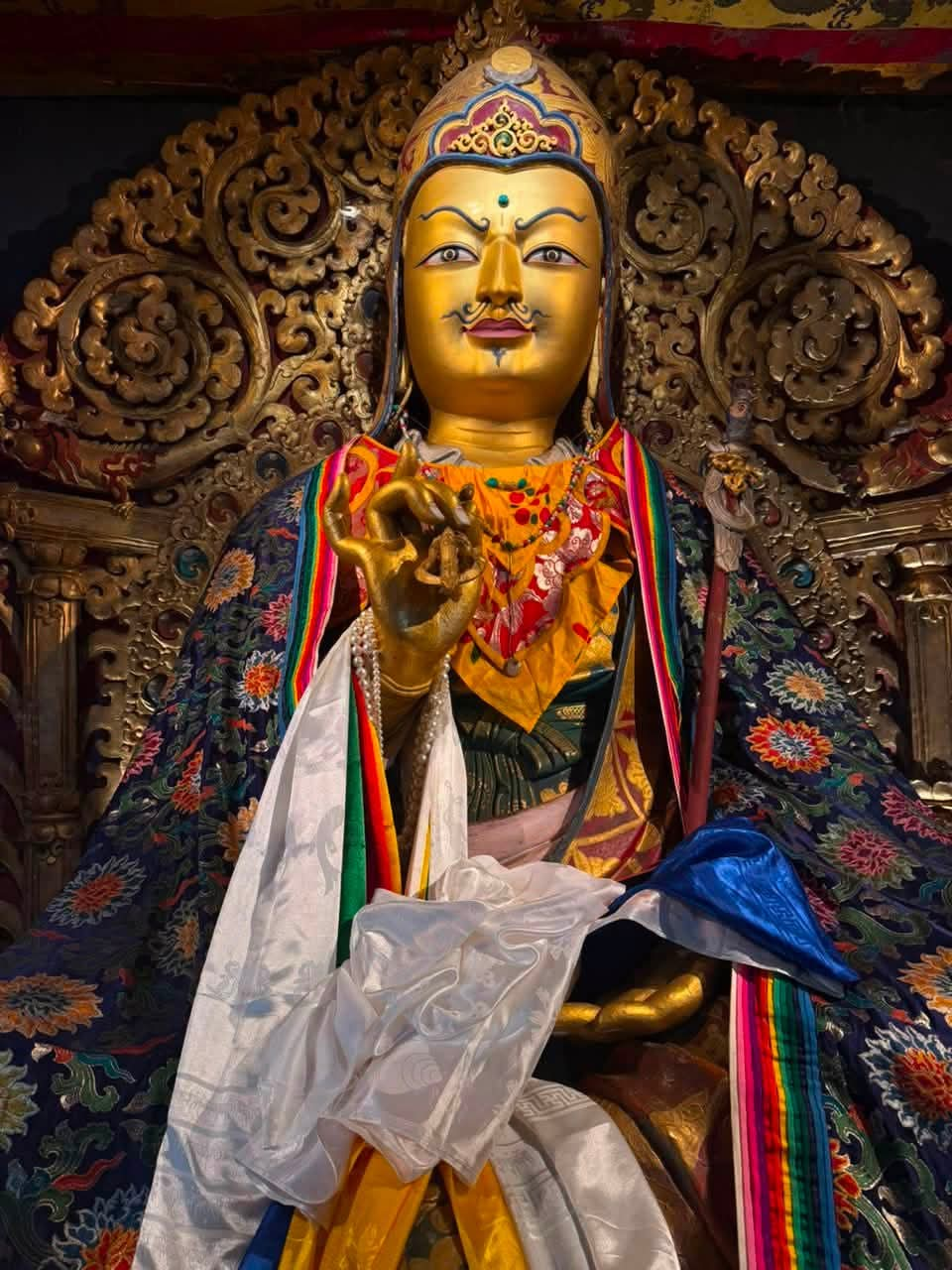
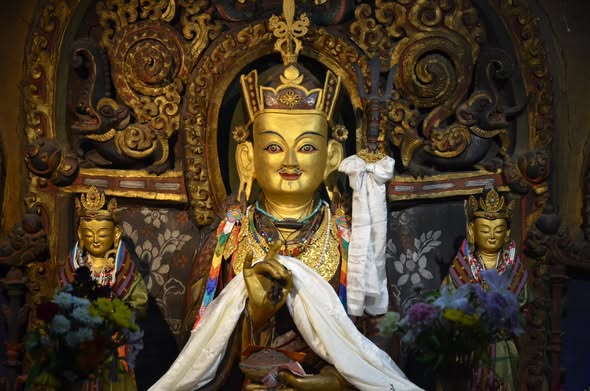
Guru Rinpoche (Padmasambhava), revered as the Second Buddha, whose teachings and sacred sites continue to shape Bhutan’s spiritual and cultural heritage.
In the heart of the Himalayas, where the crisp mountain air carries the echo of ancient mantras and thesnow-capped peaks seem to touch the heavens, the spirit of Guru Padmasambhava—affectionately known as Guru Rinpoche, the “Second Buddha”—permeates every valley, monastery, and prayer flag. Hislife, a tapestry of miracles, divine emanations, and boundless compassion, is intricately woven into thecultural and spiritual fabric of Bhutan. For travelers seeking more than just breathtaking landscapes,
Bhutan offers a pilgrimage of the soul, where every sacred site whisper stories of enlightenment,
transformation, and the triumph of wisdom over ignorance.Guru Rinpoche was no ordinary master. An emanation of both Buddha Amitābha and the peerless Śākyamuni Buddha, he appeared in this world with a singular purpose: to tame beings—both
human and spirit—that were otherwise untamable. His life transcends the boundaries of ordinary
comprehension, spanning realms from the Dharmakāya (the realm of absolute truth) to the Nirmāṇakāya (the emanation body that appears to guide sentient beings). In the Dharmakāya realm
of Luminous Vajra Essence, he has been naturally enlightened within primordial purity since the very
beginning of time, renowned as the Unchanging Light.
In the self-manifest Saṃbhogakāya realm known as Resounding Drum of Perfection, he appears as the boundless array
of the five wisdom families of Buddha Immense Ocean, possessing the five certainties. His external
manifestation is perceived by all the bodhisattvas on the ten bhūmis in myriad forms within the buddhafields of
the five families. Thus, he is known as Lotus Who Holds All—the cloudbanks of the Guru’s wisdom display.
This blog post invites you to embark on a spiritual journey through Bhutan, following the footsteps of
Guru Rinpoche. From his miraculous birth to his profound teachings and the sacred sites he blessed,
we explore how his legacy continues to illuminate the path for countless seekers.
The Legend of Guru Padmasambhava: The Lotus-Born Master
The life of Guru Padmasambhava is a testament to the inexhaustible compassion of the Buddhas.
His story begins not in an ordinary way, but through a miracle that defies the laws of nature. According to
the terma (hidden treasure) teachings, in the oceans surrounding the western land of Uḍḍiyāna, there lay an island close to the land of the rākṣasas. On this island, the blessings of all
the Buddhas took shape in the form of a multi-colored lotus flower.
Moved by compassion for the suffering of sentient beings, Buddha Amitābha, the Lord of Sukhāvatī (the Pure Land of Bliss), sent from his heart a golden vajra marked with the
syllable hrīḥ. This sacred symbol entered the bud of the lotus flower and
miraculously transformed into an eight-year-old child, endowed with all the major and minor
marks of perfection, holding a vajra in his right hand and a lotus in his left. This child was none other
than Padmākara, the Lotus-Born.
On that island, the young child remained, instructing the island’s devas and ḍākinīs in the profound Dharma,
his wisdom already as vast as the ocean.
From Prince to Exile: The Early Life of Padmākara
Meanwhile, the King of Uḍḍiyāna, Indrabhūti, found himself without an heir to the throne.
Through his great acts of making offerings to the Three Jewels and giving alms to the poor and needy,
the king had exhausted his treasury. In a bid to restore his kingdom’s fortune, he set out on a voyage
upon the great lake to find a wish-fulfilling jewel.
Upon returning with the jewel, both his minister Triguṇadhara and the king himself encountered
the amazing child on the island. Recognizing him as the answer to his prayers, King Indrabhūti took the
child back to the royal palace. There, he was given the names Padmākara (Lotus-Born) and Tsokyé Dorjé (Lake-Born Vajra). The prince was seated on a throne of precious jewels, and the
citizens were delighted as a rain of foods, clothing, and precious objects sprang forth from the
magic of the wish-fulfilling jewel.
As the young prince grew up, he brought countless beings to spiritual maturation through his youthful
play and games. He married the ḍākinī Prabhāvatī and ruled the kingdom of Uḍḍiyāna according
to the Dharma, becoming known as King Tortokchen (The Turbaned King). Yet, his true calling
lay not in royalty but in the service of all beings.
Seeing that as a ruler he would be unable to bring about spiritual benefit on a vast scale, Padmākara
begged his father for permission to abdicate. When refused, he devised a plan: during a royal dance,
he pretended that his trident slipped from his hand, striking and liberating the son of a demonic
minister. As a consequence of breaking the law against killing children, Padmasambhava was promptly
banished to the charnel grounds.
Thus began his journey to the sacred charnel grounds of Śītavana (Cool Grove), Nandanavana (Joyful Grove), and Sosadvīpa (Sosa Land), where he practiced
yogic disciplines. There, he received empowerments and blessings from the ḍākinīs Mārajīta (Tamer of Māra) and Śāntarakṣitā (Sustainer of Bliss), and brought
the ḍākinīs of the charnel grounds under his sovereign command. He became known as Śāntarakṣita (Preserver of Peace).
The Eight Supreme Manifestations
Guru Rinpoche’s activities are said to manifest in eight supreme forms, each representing
a different aspect of his enlightened activity to benefit beings. These manifestations are:
Guru Tsokyé Dorjé (Lake-Born Vajra) – His miraculous birth from the lotus.
Guru Shakya Sengé (Lion of the Śākyas) – His ordination as a monk under Prabhahasti.
Guru Nyima Özer (Rays of the Sun) – His radiant teachings and display of miracles at Bodh Gaya’s Vajra Throne.
Guru Loden Choksé (Wise Seeker of the Sublime) – His mastery of the Dharma and attainment of the first vidyādhara level.
Guru Pema Gyalpo (Lotus King) – His royal presence as a teacher in Uḍḍiyāna and Zahor.
Guru Sengé Dradrok (Lion’s Roar) – His victory over heretical teachers at Bodh Gaya.
Guru Dorjé Drolö (Wild Wrathful Vajra) – His wrathful form binding spirits and subduing obstacles.
Guru Padmasambhava – The culmination of all his manifestations, the essence of his enlightened activity.
“It is said that ten thousand, nine hundred stories of his life were composed and hidden for future disciples.
His activities are indeed a topic that lies far beyond the reach of the ordinary intellect.”
Sacred Sites in Bhutan: Walking in Guru Rinpoche’s Footsteps
Bhutan, often referred to as the Last Shangri-La, is a land deeply blessed by Guru Rinpoche’s
presence. From the towering cliffs of Paro Taktsang to the serene valleys of Bumthang, every corner of this Himalayan kingdom holds a piece of his divine legacy.
Paro Taktsang (Tiger’s Nest Monastery)
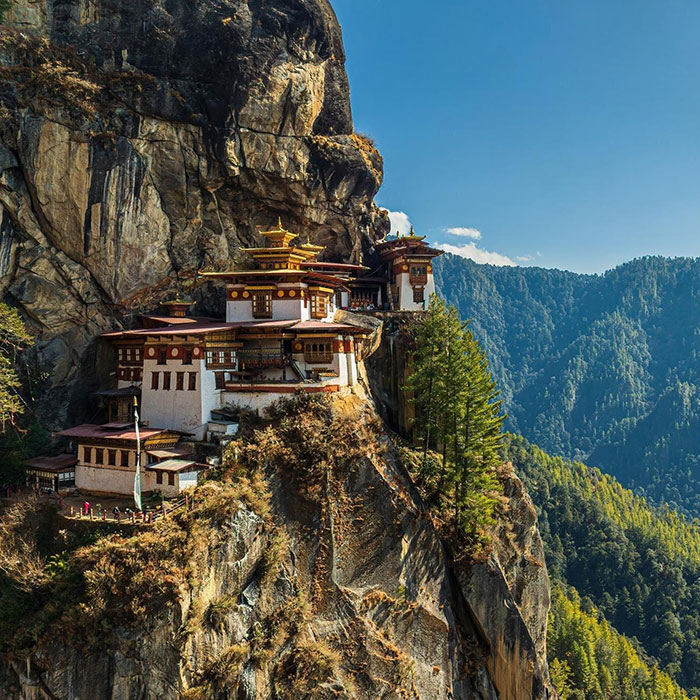
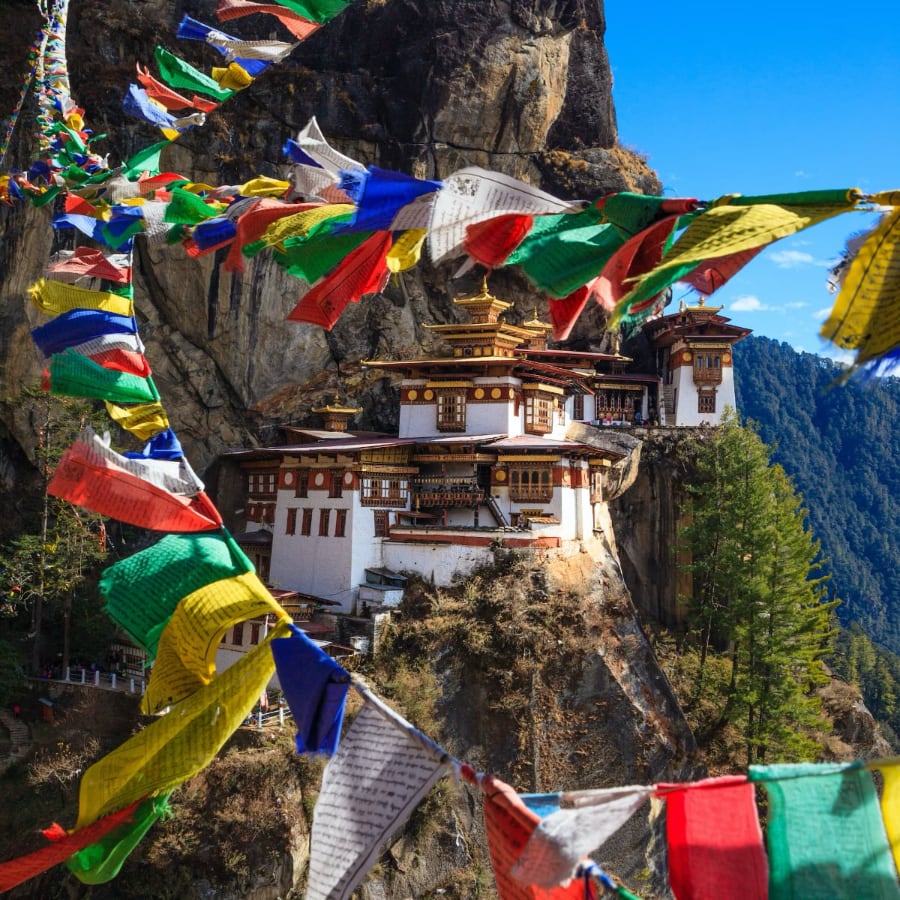
Tiger’s Nest Monastery (Paro Taktsang), Bhutan’s most famous sacred monastery, perched dramatically on a cliff overlooking the Paro Valley.
Perched precariously on a cliff 3,120 meters above sea level, Taktsang Monastery is
Bhutan’s most iconic pilgrimage site. According to legend, Guru Rinpoche arrived here on the
back of a tigress—a manifestation of his consort, Khandro Yeshé Tsogyal—
and meditated for three months in the Tiger’s Nest Cave.
The monastery, first built in 1692, clings to the cliffside like a jewel, offering
breathtaking views of the Paro Valley. Paro, Bhutan
2-3 hour hike
Kurjey Lhakhang (Temple of the Body Imprint)
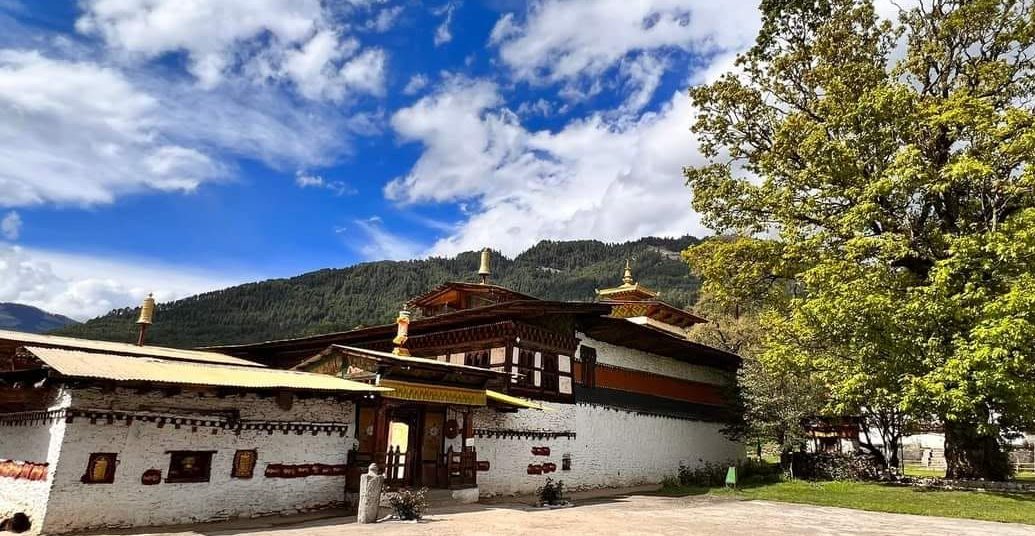
Kurjey Lhakhang in Bumthang, one of Bhutan’s most sacred temples, built around the cave where Guru Rinpoche meditated and left his body imprint.
Located in the sacred Choekhor Valley of Bumthang, Kurjey Lhakhang
(“Temple of the Imprint of the Body”) marks the spot where Guru Rinpoche left his body imprint on a cliff while subduing a local deity.
Bumthang, Bhutan
Best in spring/autumn
Tamshing Lhakhang in Bumthang, a historic Buddhist monastery founded by Pema Lingpa in 1501 and renowned for its ancient murals and spiritual heritage.
Tamshing Lhakhang (Temple of the Good Message)
Founded in 1501 by Pema Lingpa, a renowned tertön (treasure revealer), Tamshing Lhakhang is one of Bhutan’s oldest and most sacred monasteries.
Bumthang, Bhutan
Famous for Burning Lake
Membartsho, or the Burning Lake, is one of Bhutan’s most sacred pilgrimage sites, where the revered treasure revealer Pema Lingpa discovered sacred treasures hidden by Guru Rinpoche. Description
Membartsho (The Burning Lake)
Membartsho, or the Burning Lake, is one of Bhutan’s most sacred pilgrimage
sites. It is here that the great tertön Pema Lingpa discovered sacred treasures hidden by Guru Rinpoche.
Tang Valley, Bumthang Sacred lake
Mount Hepori (Bumthang)
This sacred mountain in Bumthang is where Guru Rinpoche subdued the local deities and
spirits that were obstructing the spread of Buddhism in Bhutan.
Bumthang, Bhutan
Footprint relic
Pilgrimage Tips for Travelers
Embarking on a spiritual pilgrimage through Bhutan is a transformative experience. To make the most
of your journey, here are some essential tips to ensure a meaningful and respectful visit.
Best Time to Visit
Bhutan’s Tsechus (annual festivals) are the best times to experience the country’s
spiritual culture. Key festivals include:
Paro Tsechu (March/April) – Celebrated at Paro Dzong, featuring a grand Thongdrol display.
Thimphu Tsechu (September/October) – The largest festival in Bhutan.
Bumthang Tsechu (October/November) – A colorful celebration in the spiritual heart of Bhutan.
Cultural Etiquette
Bhutan is a deeply spiritual country. Respect local customs:
Dress modestly when visiting monasteries and temples.
Circumambulate stupas and temples clockwise.
Remove your hat and shoes before entering sacred spaces.
Avoid pointing with your feet or touching religious objects.
Guided vs. Solo Travel
A guided pilgrimage tour offers invaluable insights into the spiritual significance of each site. Ling Travel Bhutan offers customized spiritual tours tailored to your interests.
What to Pack
Pack smartly for your pilgrimage:
Comfortable Hiking Shoes – Essential for sites like Taktsang Monastery.
Layered Clothing – Bhutan’s weather can be unpredictable.
Modest Clothing – Long skirts, pants, and shawls for temple visits.
Sun Protection – Hat, sunglasses, and sunscreen.
Why Bhutan? The Land of the Thunder Dragon
Bhutan is not just a destination—it is a living embodiment of Guru Rinpoche’s teachings.
His influence is palpable in every aspect of Bhutanese life.
The Legacy of Termas (Hidden Treasures)
One of the most fascinating aspects of Guru Rinpoche’s activity in Bhutan is his concealment of
countless termas (hidden treasures). These treasures—sacred texts, relics, and teachings—
were hidden to be revealed by tertöns (treasure revealers) at the right time.
The Concept of Beyul (Hidden Valleys)
Bhutan is believed to be one of the Beyuls, or hidden valleys, blessed by Guru Rinpoche
as refuges for practitioners during times of strife.
Guru Rinpoche’s Enduring Presence
Guru Rinpoche’s connection to Bhutan is not confined to the past. His presence is said to be eternally active, with emanations and blessings continuing to benefit beings.
“In Bhutan, every mountain, river, and forest is alive with the blessings of Guru Rinpoche. To walk this
land is to walk in the footsteps of enlightenment.”
The Journey to Bhutan: What to Expect
Visa and Entry Requirements
All tourists must book their trip through a licensed Bhutanese tour operator like Ling Travel Bhutan.
The daily Sustainable Development Fee (SDF) of $100 per night covers accommodation, meals,
transportation, and a licensed guide.
Getting There
The most common entry point to Bhutan is Paro International Airport. Airlines such as Druk Air and Bhutan Airlines operate flights from Thailand, India, Nepal,
Bangladesh, and Singapore.
Accommodation
Bhutan offers a range of accommodations, from luxury resorts to cozy guesthouses.
Food and Cuisine
Bhutanese cuisine is a delightful blend of flavors, with dishes like ema datshi (chili
and cheese), khewang (buckwheat pancakes), and red rice.
Begin Your Spiritual Journey with Ling Travel Bhutan
Guru Rinpoche’s life and teachings remind us that enlightenment is not a distant goal but a living presence in every moment. Bhutan offers a rare opportunity to connect with this wisdom.
At Ling Travel Bhutan, we specialize in crafting meaningful, transformative journeys
that honor the sacred legacy of Guru Rinpoche.
Let us guide you through the land of the Thunder Dragon, where every step is a prayer, every
mountain a temple, and every moment an opportunity to awaken.
Ready to Walk in the Footsteps of Guru Rinpoche?
Book your customized spiritual pilgrimage tour with Ling Travel Bhutan today.
“May the blessings of Guru Rinpoche guide your path, and may every step you take in Bhutan bring you closer to enlightenment.”
Ling Travel Bhutan
Ling Travel Bhutan is a premier tour operator based in Bhutan, specializing in spiritual pilgrimages,
cultural tours, and adventure travel. With over a decade of experience, we are committed to
providing authentic, sustainable, and transformative journeys.
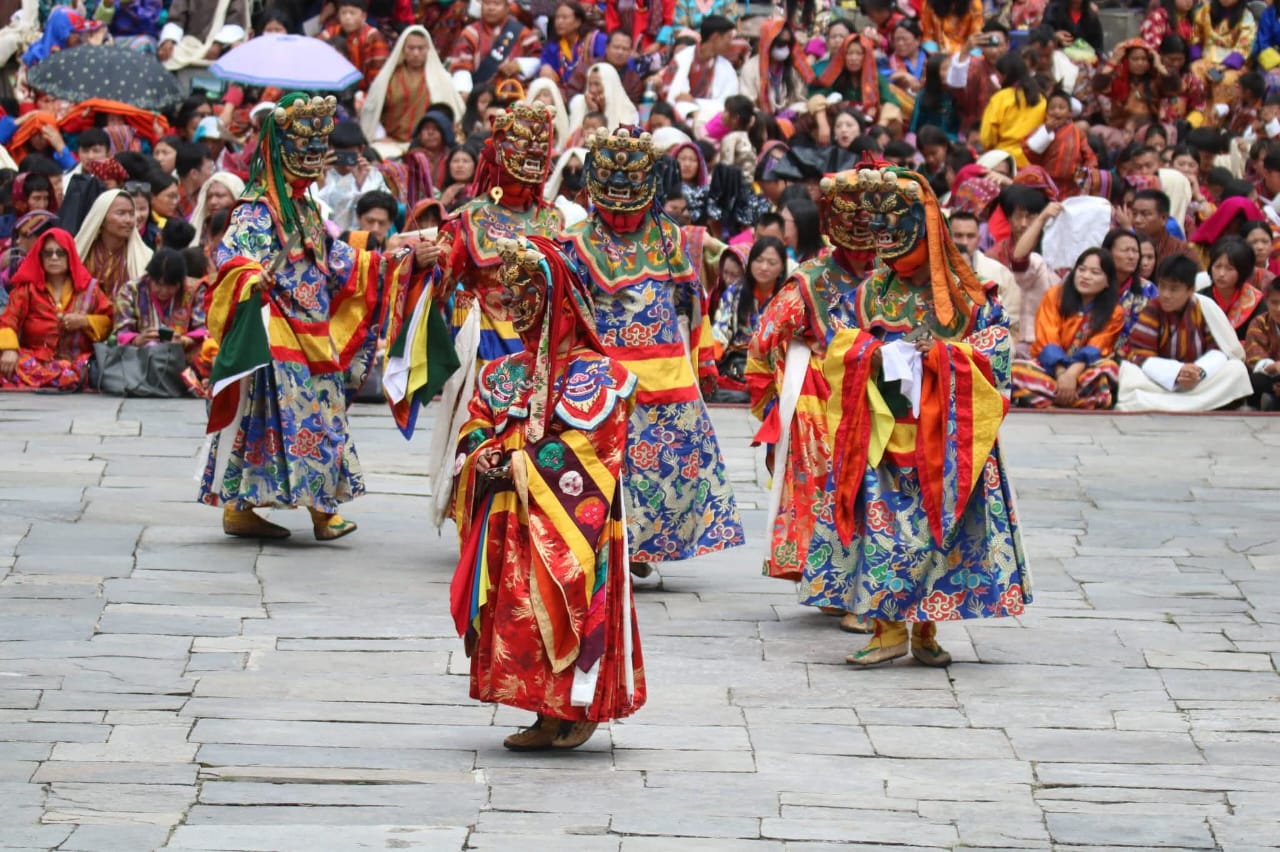
Monks performing a traditional masked Cham dance during a Tsechu festival in Bhutan
The Magic of Bhutan’s Tsechus: A Guide to Festivals
Discover the vibrant festivals of Bhutan and their deep spiritual significance.
Exploring Bhutan’s Monasteries: A Spiritual Itinerary
Visit the most sacred monasteries in Bhutan and learn about their histories.
Trekking in Bhutan: A Journey to the Roof of the World
Combine adventure with spirituality on Bhutan’s most breathtaking treks.
What if a nation’s greatest wealth wasn’t measured in money, but in the happiness of its people?
In a world obsessed with economic growth, one small Himalayan kingdom chose a different path. Bhutan doesn’t chase GDP—it chases Gross National Happiness (GNH). And that choice shapes everything: how the country governs, protects its forests, preserves its culture, and welcomes travellers.
Understanding GNH isn’t just interesting background reading. It’s the key to understanding why Bhutan feels unlike anywhere else on Earth.
What Is Gross National Happiness?
For decades, the world has measured progress through economic output. More money, more factories, more exports—surely that leads to happier societies?
Bhutan respectfully disagrees.
The Kingdom believes economic growth matters, but not at the expense of well-being, cultural identity, environmental health, or spiritual values. So instead of tracking GDP alone, Bhutan measures national progress through Gross National Happiness—a holistic framework that seeks balanced, sustainable development for all its citizens.
The Origins of Gross National Happiness
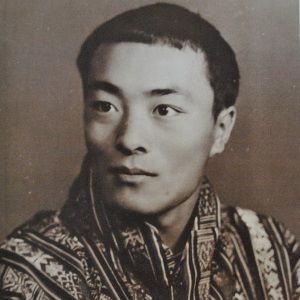
The idea that development should serve the people’s happiness took root during the reign of His Majesty the Third Druk Gyalpo, Jigme Dorji Wangchguckwho believed the purpose of development was to make “the people prosperous and happy.”
But the philosophy—and the famous phrase itself—was born later.
In 1972, His Majesty the Fourth Druk Gyalpo, Jigme Singye Wangchuck, coined the term “Gross National Happiness” and declared:
“Gross National Happiness is more important than Gross National Product.”
That single statement challenged the global development model. It inspired economists, governments, and the United Nations to rethink what “progress” actually means.
Happiness Beyond Wealth
The Fourth King often observed that wealthy people aren’t always happy—and that those who are genuinely happy frequently feel rich regardless of their income.
True well-being, he argued, comes from balance: material comfort and spiritual growth, strong communities, healthy relationships, cultural identity, environmental harmony, and good governance.
Bhutan doesn’t pursue growth for growth’s sake. It pursues harmony between people, nature, and development.
GNH in Everyday Bhutan
Visitors notice it immediately. GNH isn’t a policy document sitting in a government office—it’s alive in daily life.
You’ll feel it when you:
Hike through forests that cover over 70% of the country
Step inside a peaceful Buddhist monastery tucked into the Himalayas
Watch ancient masked dances at a vibrant Tshechu festival
Share a meal and genuine warmth with a family in a traditional village
Trek to the iconic Tiger’s Nest Monastery, where spirituality and landscape merge
Bhutan moves at a different pace. The invitation isn’t to rush between sights—it’s to slow down, connect, and experience a culture where happiness genuinely matters.
Global Recognition
The United Nations has formally acknowledged that GDP alone does not reflect human well-being and that the pursuit of happiness is a fundamental human goal.
Today, researchers and governments worldwide study Bhutan’s model as a real-world example of sustainable, people-centered development.
Why This Matters to Travellers
A journey through Bhutan is not a typical holiday.
It’s an opportunity to:
Experience authentic Bhutanese culture unfiltered by mass tourism
Explore pristine Himalayan landscapes protected by national policy
Connect with ancient Buddhist heritage still lived, not just displayed
Practice mindful travel in a country that values presence over speed
Witness sustainable tourism in action
That deeper connection is what makes Bhutan one of the world’s most rewarding destinations.
Experience the Land of Happiness with Ling Travel Bhutan
Our experiences let you explore the true spirit of Bhutan through:
Cultural Tours – Dzongs, monasteries, and living traditions
Trekking Adventures – Himalayan trails for every level
Wildlife Experiences – Rare species in protected landscapes
Festival Tours – Tshechus, local celebrations, and spiritual events
Wellness & Mindfulness Retreats – Meditation, yoga, and renewal
Luxury Bhutan Holidays – Comfort without compromising authenticity
Tailor-Made Itineraries – Crafted around your interests and pace
Whether you’re trekking to Tiger’s Nest, sharing tea with a local family, or simply breathing in the mountain air, you’ll experience the values of Gross National Happiness firsthand.
Ready to discover the world’s happiest kingdom?
Let Ling Travel Bhutan create a personalized journey that takes you into the heart of Bhutan’s extraordinary culture, breathtaking landscapes, and timeless philosophy of happiness.
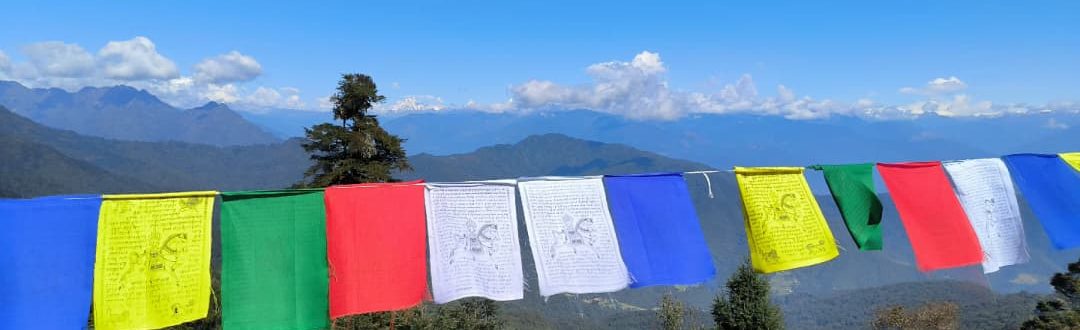
High in Bhutan’s Himalayan mountains, where prayer flags ripple across dramatic ridgelines and ancient monasteries watch over timeless valleys, the wind is believed to carry more than mountain air—it carries prayers, hopes, and blessings.
Among Bhutan’s most beautiful spiritual traditions is Lungta (རླུང་རྟ་), the Wind Horse. More than a simple ritual, Lungta represents faith in motion, where every breeze becomes a messenger between humanity and the divine. Whether standing atop a sacred mountain pass, beside an ancient stupa, or overlooking a peaceful valley, the sight of colourful Lungta papers dancing into the sky is both unforgettable and deeply moving.
For travellers exploring Bhutan, witnessing—or respectfully participating in—this centuries-old tradition offers a profound glimpse into the country’s living Buddhist heritage and its enduring relationship with nature.
What Is Lungta?
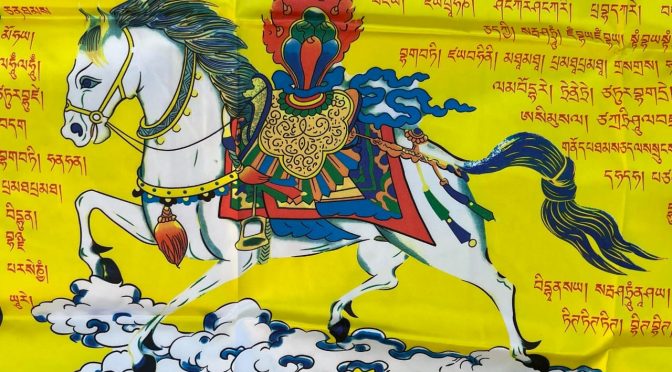
The word Lungta literally translates to “Wind Horse” in Tibetan and Bhutanese Buddhist tradition. It refers to small rectangular papers printed with sacred mantras, auspicious symbols, prayers, and the mythical Wind Horse carrying the Wish-Fulfilling Jewel.
Unlike prayer flags that remain suspended in the wind, Lungta papers are released into the air during a sacred ritual known as Sowing Lungta, allowing the wind itself to scatter blessings across mountains, valleys, and beyond.
Each piece symbolizes wishes for:
Happiness
Good health
Prosperity
Success
Longevity
Peace
Spiritual merit
The belief is beautifully simple yet deeply profound: once released, the wind carries these prayers throughout the universe, spreading positive energy to all sentient beings.
The Five Sacred Colours of Lungta
Every Lungta offering consists of five colours, each representing one of the five natural elements that sustain life and maintain harmony in the universe.
🟦 Blue — Sky
Representing vastness, openness, and wisdom.
🟨 Yellow — Earth
A symbol of stability, nourishment, and abundance.
🟥 Red — Fire
Representing energy, transformation, courage, and strength.
🟩 Green — Wind (Air)
Associated with movement, growth, vitality, and compassion.
⬜ White — Water
Representing purity, healing, clarity, and peace.
Together, these colours express the perfect balance between nature, humanity, and the spiritual world—a philosophy deeply woven into Bhutanese life.
The Sacred Tradition of Sowing Lungta
Across Bhutan, the ritual of Sowing Lungta remains an important spiritual practice observed by monks, pilgrims, families, and local communities.
Rather than simply throwing paper into the air, devotees perform the ritual with mindfulness and sincere intention.
As handfuls of colourful Lungta catch the mountain wind, they swirl into the endless Himalayan sky, carrying heartfelt prayers far beyond the horizon.
For many Bhutanese, this symbolic act represents letting go of fear, attachment, and suffering while offering hope and compassion to the world.
When Is Lungta Sown?
The ritual accompanies many important moments throughout life.
Crossing Sacred Mountain Passes
Travellers often stop at high passes adorned with fluttering prayer flags to offer Lungta, expressing gratitude for a safe journey while seeking blessings for the road ahead.
Visiting Monasteries and Holy Sites
Before entering revered temples, stupas, or meditation caves, devotees may release Lungta as an offering of respect and devotion.
During Buddhist Festivals
Festivals such as Saga Dawa, one of the holiest months in the Buddhist calendar, are considered especially auspicious times to perform the ritual.
Weddings and House Blessings
Families sow Lungta to bless newlyweds, new homes, and important life milestones, praying for harmony, prosperity, and lasting happiness.
Religious Ceremonies
Monastic rituals often include Lungta offerings dedicated to the well-being of communities, loved ones, and all living beings.
The Meaning Behind the Ritual
Although simple in appearance, every Lungta ceremony carries layers of symbolism.
The ritual represents:
Spreading blessings across the world
Inviting good fortune and positive energy
Dispelling obstacles and negative influences
Honouring deceased loved ones
Praying for peace and harmony
Strengthening one’s spiritual merit
Rather than asking only for personal happiness, Bhutanese Buddhism encourages prayers that benefit every living being.
This selfless intention lies at the heart of the Lungta tradition.
How the Lungta Ritual Is Performed
Visitors may occasionally witness this beautiful ceremony during their journey through Bhutan.The ritual generally follows several meaningful steps.
Preparing the Lungta
Special papers printed with sacred mantras, Buddhist prayers, protective deities, and the Wind Horse symbol are carefully prepared.
Chanting Sacred Prayers
Before releasing the papers, practitioners often recite mantras such as:
Om Mani Padme Hum
One of Buddhism’s most cherished mantras, invoking compassion and wisdom.
Releasing the Offering
Standing on a mountain ridge, beside a stupa, or at another sacred location, the Lungta papers are cast gently into the wind—traditionally while facing an auspicious direction.
Calling Out the Blessing
As the papers soar through the air, devotees often joyfully shout:
“Lha Gyal Lo!”
Meaning:
“Victory to the Gods!”
The echo of these words across Bhutan’s mountains creates a truly unforgettable spiritual moment.
More Than a Ritual: A Living Cultural Heritage
Lungta is not only a religious practice—it is also one of Bhutan’s most recognizable cultural symbols.
The artwork printed on each paper often features:
The mythical Wind Horse carrying the Wish-Fulfilling Jewel
Snow Lions
A majestic lion captured in a wildlife photograph.
Tigers
Tiger photographed in the wild – Bhutan wildlife
Dragons
Discover the beauty of Bhutan’s wildlife and natural environment.
Garudas
Discover the natural beauty and rich biodiversity of Bhutan.
Sacred Buddhist scriptures
Commonly printed prayers include:
Heart Sutra
Tara Mantra
Amitayus Mantra
These sacred designs transform each paper into both a spiritual offering and a work of traditional Himalayan art.
A Tradition That Respects Nature
Bhutan’s profound respect for the environment extends naturally to its religious practices.
Today, many Lungta papers are produced using biodegradable materials, ensuring that spiritual traditions continue in harmony with Bhutan’s commitment to environmental conservation.
This reflects the country’s unique philosophy that caring for nature is itself an act of spiritual responsibility.
Lungta in the Modern World
Although rooted in ancient Buddhist tradition, Lungta continues to inspire people around the globe.
Today you may find Lungta:
Released by pilgrims travelling to sacred Himalayan mountains
Used during Bhutanese New Year celebrations
Sown during personal milestones and family ceremonies
Featured in contemporary art and design
Inspiring textiles, home décor, photography, and fashion
For younger generations, Lungta remains both a sacred ritual and a proud expression of Bhutanese identity.
Experience Bhutan’s Living Spiritual Traditions
One of the greatest privileges of travelling through Bhutan is witnessing traditions that remain vibrant in everyday life.
Whether you are crossing the spectacular Dochula Pass, hiking to the legendary Tiger’s Nest Monastery, exploring peaceful valleys, or visiting ancient temples, you may encounter colourful Lungta dancing across the Himalayan sky.
These quiet yet powerful moments often become the memories travellers treasure most—not because they are spectacular, but because they reveal Bhutan’s enduring spirit of compassion, mindfulness, and harmony with nature.
At Ling Travel Bhutan, our carefully crafted cultural journeys introduce visitors to these authentic traditions with genuine respect and local insight. From sacred monasteries and vibrant festivals to remote villages and breathtaking mountain passes, every experience offers a deeper understanding of Bhutan’s extraordinary spiritual heritage. Whether you are seeking a cultural tour, trekking adventure, wellness retreat, wildlife experience, or festival journey, our local experts are here to help you experience the true heart of the Kingdom.
Let the Wind Carry Your Blessings
In Bhutan, the wind is never just wind.
It is believed to carry prayers across valleys, over snow-capped mountains, and into the boundless sky.
To sow Lungta is to release your hopes, your gratitude, your compassion, and your dreams into the universe.
Perhaps one day, while standing on a quiet Himalayan pass surrounded by fluttering prayer flags, you too will toss a handful of colourful Lungta into the mountain breeze.
Watch as they rise effortlessly into the sky.
Let go.
Let the wind carry your blessings.
And let Bhutan leave a lasting imprint upon your heart.
Discover One of Bhutan’s Best-Kept Spiritual Secrets
Hidden among the emerald fields and traditional farmhouses of the peaceful Paro Valley stands one of Bhutan’s most extraordinary yet often overlooked sacred monuments—Jangtsa Dumtseg Lhakhang. Unlike any other temple in the kingdom, this remarkable 15th-century sanctuary was built not as a monastery or fortress, but as a three-storey chorten (stupa), making it one of Bhutan’s rarest architectural masterpieces.
While many travellers flock to the iconic Tiger’s Nest Monastery or the imposing Rinpung Dzong, those who venture to Jangtsa Dumtseg Lhakhang discover a quieter, more intimate side of Bhutan’s spiritual heritage. Every level of this mystical temple unveils profound Buddhist teachings through centuries-old murals, sacred iconography, and intricate symbolism, offering visitors a journey that is as enlightening as it is unforgettable.
Steeped in legend, devotion, and artistic brilliance, Jangtsa Dumtseg Lhakhang is more than a historical landmark—it is a living testament to Bhutan’s enduring Buddhist traditions. For travellers seeking authentic cultural experiences beyond the well-trodden paths, this hidden gem provides a rare opportunity to explore the spiritual heart of the Land of the Thunder Dragon.
Jangtsa Dumtseg Lhakhang was constructed in 1421 by the legendary Tibetan saint Thangtong Gyalpo, one of the Himalayas’ most revered spiritual figures. Celebrated as an accomplished yogi, physician, engineer, and visionary bridge builder, he earned the enduring title of the “Iron Bridge Builder” for constructing numerous iron suspension bridges that connected isolated Himalayan communities.
Yet his legacy extends far beyond engineering. Throughout Bhutan and Tibet, Thangtong Gyalpo is remembered as a compassionate master who blended practical innovation with profound spiritual wisdom.
According to Bhutanese tradition, the temple was built to subdue a powerful female demon believed to be disturbing the peace and prosperity of the Paro Valley. Rather than defeating this negative force through violence, Thangtong Gyalpo transformed it through compassion and enlightened wisdom.
This powerful legend reflects one of Buddhism’s central teachings—that ignorance, fear, and suffering are not destroyed but transformed through wisdom, mindfulness, and compassion.
More than six centuries later, Jangtsa Dumtseg Lhakhang continues to serve as an active place of worship, preserving both its sacred purpose and its extraordinary artistic heritage for future generations.
A Rare Architectural Masterpiece in Bhutan
What immediately distinguishes Jangtsa Dumtseg Lhakhang from nearly every other religious structure in Bhutan is its remarkable design.
Unlike Bhutan’s majestic dzongs, fortress monasteries, or traditional lhakhangs, this sacred monument was built as a three-storey chorten, symbolising the Buddhist understanding of the universe and the path towards enlightenment.
Its architecture is not simply functional—it is profoundly symbolic.
Each floor represents a different stage of spiritual existence, inviting visitors to ascend physically while contemplating their own inner journey.
Lower Level – The Realm of Suffering
The first level represents the lower realms of existence.
Its symbolic paintings illustrate the consequences of ignorance, attachment, and harmful actions. Through vivid Buddhist imagery, visitors are reminded of the importance of ethical conduct, compassion, and mindfulness in everyday life.
Rather than creating fear, these artworks encourage reflection and personal growth.
Middle Level – The Human World
The second floor represents the human realm.
According to Buddhist philosophy, human life offers the precious opportunity to practise kindness, cultivate wisdom, and progress along the path to enlightenment.
This level celebrates the balance between worldly responsibilities and spiritual development, reminding visitors that every action shapes one’s future.
Upper Level – The Heavenly Realms
The highest floor symbolises enlightenment and the celestial realms.
Here, the journey culminates in liberation from suffering, where wisdom triumphs over attachment and ignorance.
Ascending through the three levels becomes a symbolic pilgrimage from darkness to awakening—a remarkable architectural expression of Buddhist philosophy rarely found elsewhere in Bhutan.
Ancient Murals That Tell Timeless Stories
One of Jangtsa Dumtseg Lhakhang’s greatest treasures lies hidden within its beautifully preserved interior.
The temple houses some of Bhutan’s finest surviving examples of early Buddhist mural painting, many dating back centuries.
Visitors can admire:
Magnificent centuries-old Buddhist murals
Intricately painted mandalas rich in symbolic meaning
Sacred depictions of enlightened Buddhas and Bodhisattvas
Traditional Buddhist iconography illustrating the cycle of life
Detailed paintings representing humanity’s journey from ignorance to enlightenment
Every wall serves as a visual scripture, teaching profound Buddhist lessons through colour, symbolism, and artistic mastery.
For historians, artists, photographers, and spiritual travellers alike, these murals offer an invaluable glimpse into Bhutan’s artistic legacy and religious traditions.
A Living Place of Worship
Although admired for its historical significance, Jangtsa Dumtseg Lhakhang remains first and foremost a living religious sanctuary.
Local devotees continue to visit throughout the year to honour centuries-old traditions and seek spiritual guidance.
Pilgrims come here to:
Offer prayers for peace, health, and prosperity
Receive blessings from resident monks
Reflect upon Buddhist teachings through sacred symbolism
Participate in religious ceremonies and seasonal festivals
The temple’s peaceful atmosphere encourages quiet contemplation, making it a meaningful destination regardless of one’s religious beliefs.
Walking through its sacred chambers is not simply sightseeing—it is an invitation to experience Bhutan’s living spiritual heritage firsthand.
Jangtsa Dumtseg Lhakhang is located just outside Paro Town, overlooking one of Bhutan’s most beautiful valleys.
Surrounded by traditional farmhouses, fertile agricultural land, prayer flags, and forested hillsides, the temple enjoys a tranquil setting that perfectly reflects Bhutan’s harmonious relationship with nature.
Its convenient location makes it easy to combine with several of Paro’s most celebrated attractions, including:
Kyichu Lhakhang, one of Bhutan’s oldest and holiest temples
Rinpung Dzong, one of Bhutan’s finest fortress monasteries
The charming streets, cafés, and artisan shops of Paro Town
Many visitors choose to explore these landmarks together, gaining a comprehensive introduction to Bhutan’s rich Buddhist heritage and architectural wonders. This route also aligns with Ling Travel Bhutan’s cultural itineraries, where guests explore Paro’s most revered spiritual landmarks alongside authentic local experiences.
Jangtsa Dumtseg Lhakhang welcomes visitors throughout the year, but two seasons provide particularly memorable experiences.
Spring (March–May)
Spring transforms the Paro Valley into a spectacular landscape of flowering rhododendrons, blossoming orchards, and vibrant greenery.
Pleasant temperatures and clear skies make this one of the best times for sightseeing, photography, and hiking.
Autumn (September–November)
Autumn offers crisp Himalayan air, brilliant blue skies, and exceptional mountain visibility.
This is also Bhutan’s peak festival season, allowing visitors to combine sacred temple visits with colourful religious celebrations and traditional mask dances.
Both seasons showcase Bhutan at its most beautiful while providing ideal conditions for cultural exploration.
While Bhutan’s famous landmarks rightly attract global attention, places like Jangtsa Dumtseg Lhakhang reveal the quieter, more contemplative side of the kingdom.
Here, visitors experience:
Rare Bhutanese religious architecture
Extraordinary Buddhist art
Ancient spiritual symbolism
Living religious traditions
Peaceful surroundings away from larger tourist crowds
Its blend of mythology, history, architecture, and active spiritual practice creates an experience unlike any other in Bhutan.
Whether you are fascinated by sacred architecture, Buddhist philosophy, photography, history, or cultural heritage, Jangtsa Dumtseg Lhakhang offers an enriching journey into Bhutan’s timeless soul.
Jangtsa Dumtseg Lhakhang is proudly featured in Ling Travel Bhutan’s 7-Day Essential Bhutan Travel itinerary, where travellers explore this remarkable sanctuary alongside Kyichu Lhakhang, the legendary Tiger’s Nest Monastery, and many of Bhutan’s most treasured spiritual landmarks. The itinerary is designed to immerse guests in Bhutan’s living Buddhist traditions, combining sacred temples, historic dzongs, authentic village experiences, and breathtaking Himalayan landscapes.
At Ling Travel Bhutan, every journey is thoughtfully crafted to go beyond sightseeing. With experienced local guides, personalised service, and carefully designed itineraries, travellers gain deeper insight into Bhutan’s culture, spirituality, nature, and warm hospitality. Whether you are seeking cultural exploration, trekking adventures, wellness retreats, luxury holidays, or authentic local encounters, Ling Travel Bhutan offers journeys that reveal the true spirit of the Kingdom.
Whether you are captivated by sacred architecture, fascinated by ancient Buddhist art, or searching for meaningful cultural experiences, Jangtsa Dumtseg Lhakhang promises an unforgettable visit. Its mysterious legends, remarkable three-tiered design, centuries-old murals, and serene location make it one of the Paro Valley’s most rewarding hidden gems.
Travel with Ling Travel Bhutan and discover this extraordinary sanctuary as part of a carefully curated journey through the Land of the Thunder Dragon, where every monastery, temple, valley, and mountain tells another chapter in Bhutan’s timeless story of spirituality, culture, and happiness.
Unlike the Finnish sauna, no icy plunge follows—just deep, lasting warmth. Wear a swimsuit, relax, and let attendants add fresh stones to keep the heat just right.
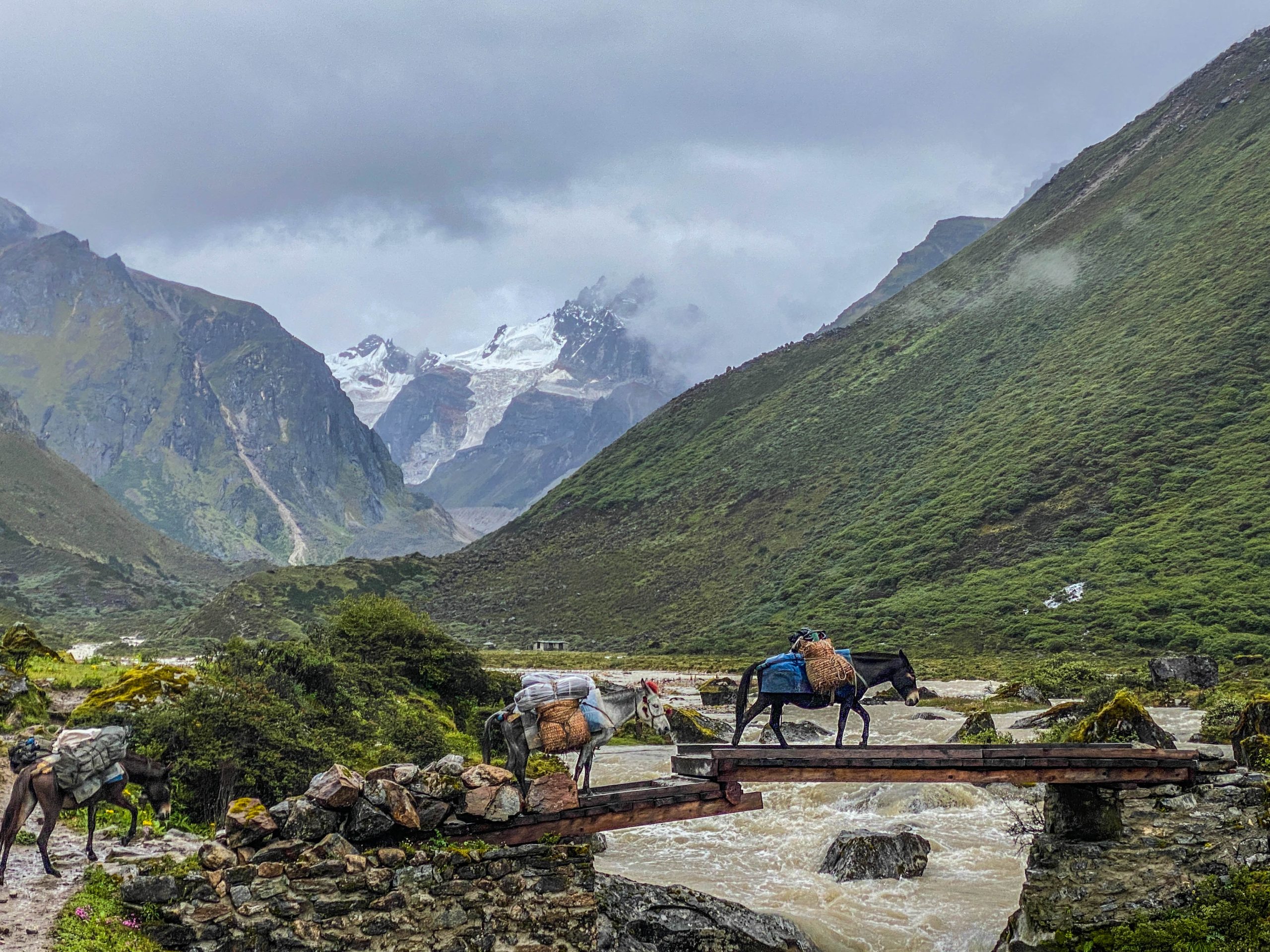
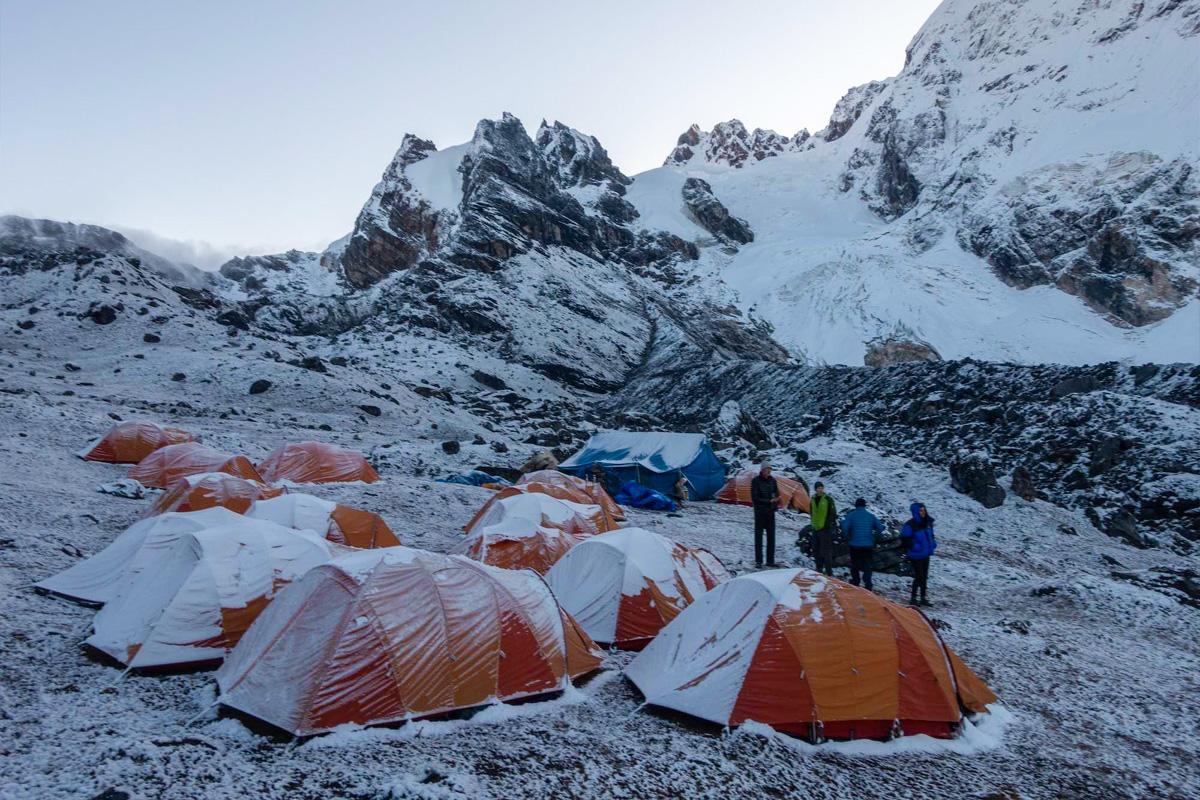
It’s nearing dusk on a Himalayan ridgeline. A cold, sleety rain lashes against your jacket, the trail beneath your boots dissolving into a slick quagmire. Each gust of icy wind cuts sharper than the last, and for a fleeting moment you wonder why you chose to walk Bhutan’s ancient Trans Bhutan Trail at all. Isn’t this supposed to be a holiday—a time of warmth, rest, and pampering?
Then, through the rain, a glow appears ahead. The faint outline of a lodge, windows ablaze with golden light, promises shelter. In that moment, hardship gives way to relief. You are reminded that Bhutan’s trails, though rugged, are balanced by a tradition of hospitality that pampers the body and soothes the soul.
This is the magic of the Trans Bhutan Trail: a 403-kilometer pilgrimage path once used by monks, messengers, and royals, now reopened for the world. Hiking it is both an adventure and a spiritual journey—but with the right touches, it can also be an indulgent one.
In this guide, we explore how to pair the rugged adventure of trekking with Bhutan’s most luxurious traditions—transforming your journey into an unforgettable balance of challenge and comfort.
Luxury Lodges: High Comfort in High Places
By nature, trekking is rarely synonymous with indulgence. Yet Bhutan is home to some of Asia’s most exquisite luxury lodges, many located within reach of the Trans Bhutan Trail.
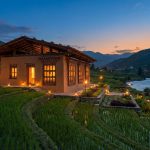
For the ultimate recharge, treat yourself to a night or two at properties operated by Six Senses, Amankora, or COMO Uma Bhutan. These world-class sanctuaries are more than just hotels—they are architectural odes to Bhutanese tradition. Designed to blend seamlessly into valleys like Paro, Thimphu, Punakha, Bumthang, and Phobjikha, they offer sweeping views of terraced rice fields and snow-kissed peaks.
From the moment you’re greeted with a handcrafted detox drink to the hours spent in steam rooms, infinity pools, or beneath the hands of expert masseuses, these retreats will restore both spirit and body. Meals feature organic, locally sourced ingredients prepared with Himalayan flair, and every detail—from timber beams to woven textiles—celebrates Bhutanese craftsmanship.
Though it’s not possible to traverse the entire Trans Bhutan Trail by staying solely in luxury lodges, you can craft an indulgent itinerary. With careful planning (and a support vehicle for transfers), you could trek segments from Haa to Punakha, staying in luxury properties along the way. Ling Bhutan’s tailored itineraries make such hybrid adventures seamless.
Bhutan’s Hot Stone Baths: A National Treasure
If a lodge feels out of reach, don’t worry. Bhutan offers a homegrown indulgence beloved by royals and farmers alike: the hot stone bath.
This ancient practice involves heating river stones over fire until they glow red, then immersing them in wooden tubs filled with water and medicinal herbs. As the stones crack and hiss, they release healing minerals believed to ease joint pain, improve circulation, and restore energy.
Candlelight, steaming water, and aromatic herbs combine to create an atmosphere of pure tranquility. You’ll find hot stone baths in boutique hotels, guesthouses, and even family farmhouses. After a day of hiking, sinking into one feels like being reborn.
Unlike the Finnish sauna, no icy plunge follows—just deep, lasting warmth. Wear a swimsuit, relax, and let attendants add fresh stones to keep the heat just right.
Yoga and Massage: Healing the Trekker’s Body
Bhutan’s Himalayan landscape is the perfect backdrop for yoga and meditation, though studios outside Thimphu and Paro remain rare. Fortunately, many hotels—especially higher-end ones—offer yoga classes open to non-guests. Yoga Yangchen in Paro and Thimphu is a trusted option for travellers seeking a guided practice.
Massages are also widely available in luxury spas, with treatments ranging from traditional herbal therapies to deep-tissue recovery sessions. In Paro, the Tshetob Ying Yum Spa offers some of the best reputations for restorative massage.
Pairing yoga, massage, and trekking is not simply indulgence—it’s alignment with Bhutan’s holistic philosophy of wellness, one that emphasizes harmony between body, mind, and spirit.
Meditation on the Trail
Bhutan is perhaps the most meditative country in the world. Along the Trans Bhutan Trail, you’ll encounter hermit caves, monasteries, and hidden retreats where monks and nuns dedicate years—even lifetimes—to silence and contemplation.
While these sacred sites are not meant for visitors, the trail itself provides a natural rhythm of mindfulness. The crunch of boots on earth, the flutter of prayer flags, and the distant call of a raven all become part of walking meditation.
If you wish to try formal
practice, many Bhutanese are happy to share guidance, and top-end lodges frequently host morning meditation sessions. Even a short practice in the crisp mountain air can leave you deeply refreshed.
Cultural Indulgence: Art, Craft, and Cuisine
Luxury in Bhutan is not only about comfort—it is also about immersion. As you walk the trail, you pass villages where Bhutan’s Zorig Chusum (13 traditional arts) thrive. From handwoven textiles in Lhuentse to bamboo crafts in Kangpara and hand-carved wooden bowls in Trashiyangtse, these crafts are living heritage.
Dining is also a form of cultural indulgence. Farm-to-table meals feature red rice, yak cheese, fresh vegetables, and fiery chilies. Sharing food with a Bhutanese family during a farmhouse visit—a hallmark of Ling Bhutan’s tours—offers hospitality as authentic as it is heartwarming.
Walking Towards Happiness
Ultimately, blending trekking with luxury in Bhutan is more than physical recovery—it is alignment with the kingdom’s guiding philosophy of Gross National Happiness (GNH). Unlike material wealth, GNH emphasizes balance: between modernity and tradition, nature and culture, body and spirit.
Every hot stone bath, yoga session, or night spent in a luxury lodge isn’t just comfort—it’s part of Bhutan’s unique formula for well-being.
Experience the Trans Bhutan Trail with Ling Travel
At Ling Travel Bhutan, we believe a journey through Bhutan should leave you not only with memories but with transformation. Our curated itineraries—whether the7-Day Essential Bhutan Travel, the romantic Bhutan Bridal Delights, or the challenging Jomolhari Trek—can be customized to include wellness rituals, cultural encounters, and luxury touches.
From securing stays in world-class lodges to arranging intimate farmhouse meals, from guiding you along the Trans Bhutan Trail to ensuring you end each day restored, we specialize in journeys that balance adventure with indulgence.
Ready to walk where history, wellness, and luxury meet?
Let Ling Travel craft your unforgettable journey on the Trans Bhutan Trail.

 Visitors may occasionally witness this beautiful ceremony during their journey through Bhutan.The ritual generally follows several meaningful steps.