Ta Dzong Museum, Trongsa
From Watchtower to Royal Heritage Museum
A Strategic Beginning
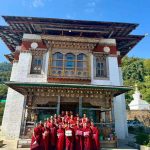
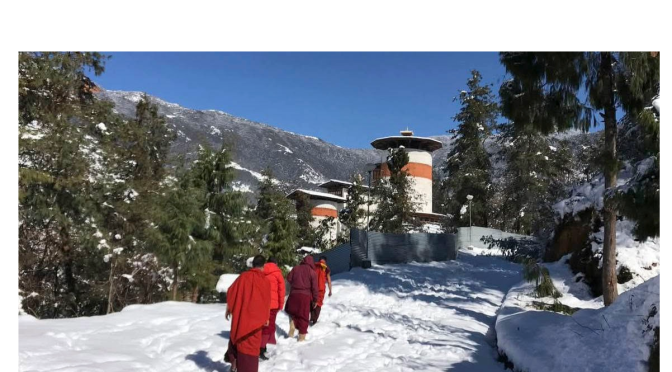
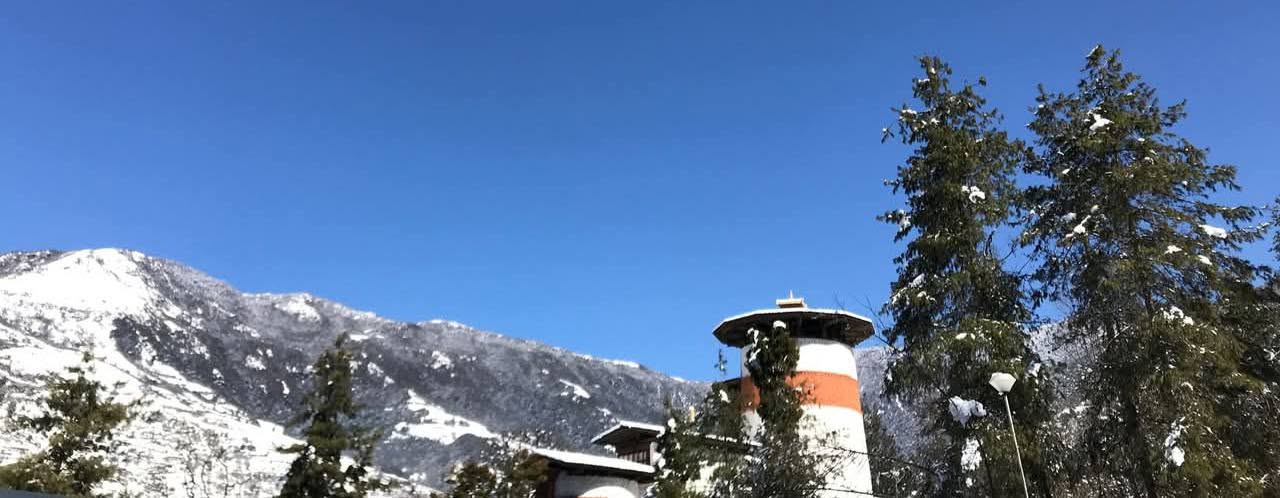
In 1652, Chogyal Minjur Tenpa, the first Governor of Trongsa, constructed Ta Dzong as a watchtower to protect the Trongsa Dzong below. Its strategic location on a commanding spur provided an unobstructed view of the surrounding landscape, with its four surveillance points symbolizing the Four Celestial Animals—Dragon, Garuda, Tiger, and Lion—each representing protection over the four cardinal directions.
A Transformation for the Ages
Between 2005 and 2008, Ta Dzong underwent extensive restoration, generously supported by the Government of Austria. In 2008, it was inaugurated as the Royal Heritage Museum, marking a new chapter in its history. Today, it serves as both a cultural institution and a place of devotion, with two active chapels preserving its sacred character.
A Museum Above Bhutan’s Royal Heartland
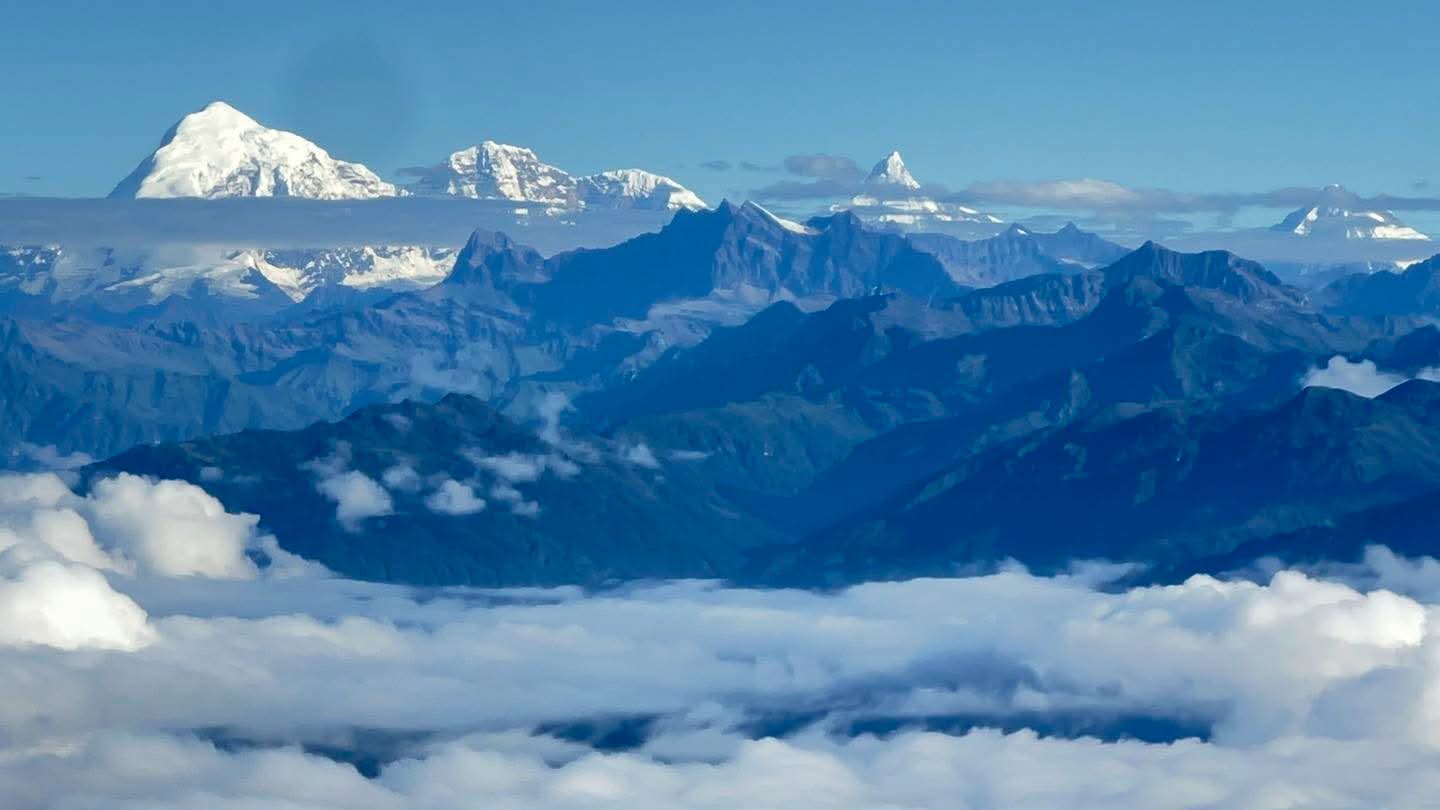
The approach to Ta Dzong from Trongsa town is an experience in itself. As you ascend, the landscape unfolds to reveal the Trongsa Dzong—one of Bhutan’s most imposing fortresses—stretching along a mountain ridge. Beyond it, the dramatic Mangde Chhu gorge and the Black Mountains create a breathtaking backdrop.
This panoramic view, once used for military surveillance, now sets the stage for your museum experience, immersing you in the historical significance of the site.
Eleven Galleries: A Journey Through Bhutan’s Legacy
Ta Dzong’s eleven galleries guide visitors through Bhutan’s royal and spiritual heritage, each offering a unique perspective on the kingdom’s rich cultural tapestry.
Highlights of the Galleries
- The Four Guardian Kings: Clay statues and a prayer wheel introduce the museum’s spiritual essence.
- Ngagi Wangchuk and the Early Sacred Site: Personal relics of the 16th-century sage Ngagi Wangchuk and guiding deities.
- The Story of the Raven Crown: Explore the legacy of Lama Chanchub Sondru and the Raven Crown, a symbol of Bhutan’s monarchy.
- The Wangchuck Dynasty: Royal possessions, ceremonial objects, and photographs tracing Bhutan’s royal lineage.
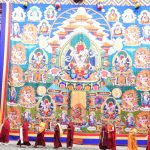
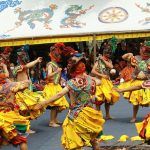
- Sacred Mask Dances: Vibrant Tshechu masks and costumes from Bhutan’s famous religious festivals.
- Rituals and Buddhism: Ritual objects, sacred imagery, and a golden butter lamp showcasing Bhutan’s Buddhist traditions.
- Temple of Ling Gesar: An active Buddhist temple for prayers and protection.
- Guru Rinpoche’s Legacy: Eight manifestations of Guru Rinpoche, a central figure in Bhutanese Buddhism.
- Maitreya Temple: A sacred space featuring a secret image of Drang Song.
- The Five Tathagata Buddhas: A mandala scheme representing sacred geography and spiritual meaning.
- Ultimate Enlightenment: A silver floating chorten symbolizing spiritual realization.
Two Active Chapels: A Living Tradition
Ta Dzong’s two active chapels—Gesar Lhakhang and Maitreya Lhakhang—offer a unique blend of history and spirituality:
- Gesar Lhakhang: Dedicated to King Gesar of Ling, a legendary warrior-king.
- Maitreya Lhakhang: Dedicated to Maitreya, the Buddha of the future.
These chapels emphasize the seamless connection between Bhutan’s past and its living traditions.
Why Visit Ta Dzong National Museum?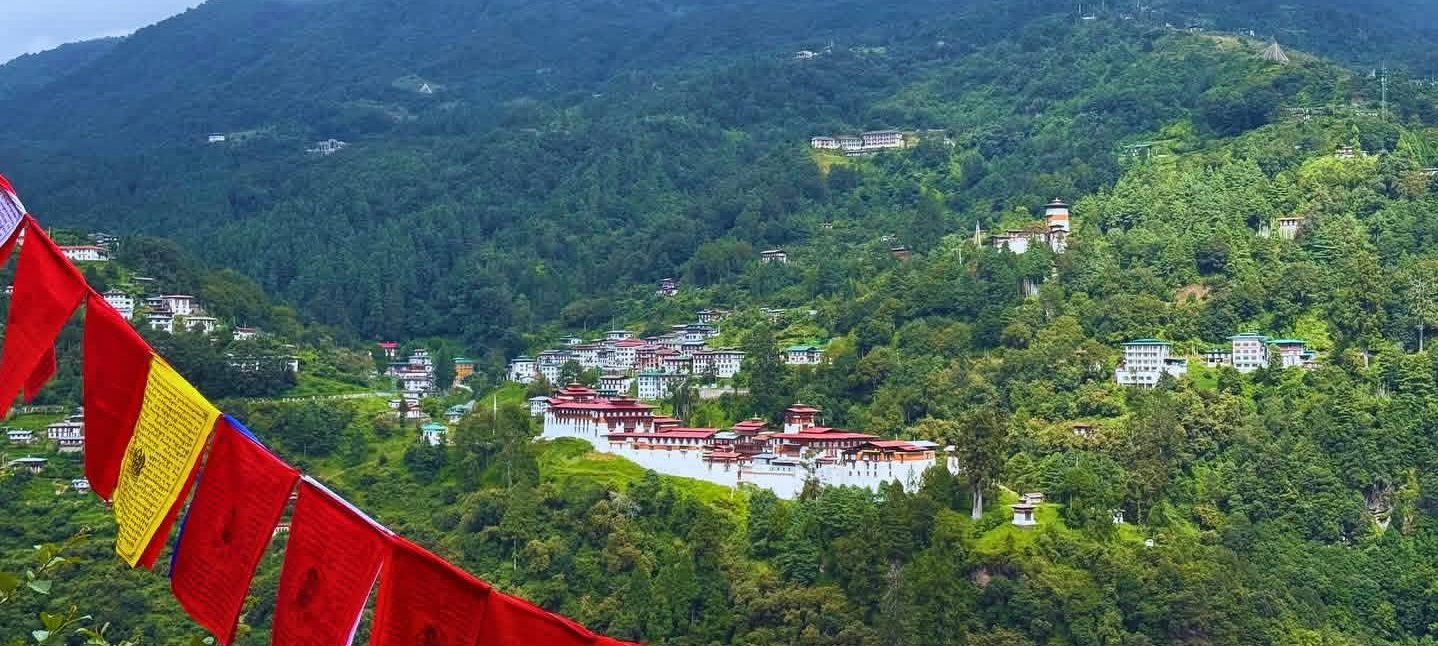
Ta Dzong is a must-visit for those seeking to go beyond Bhutan’s most famous landmarks. Here’s what you’ll gain:
- A deeper understanding of Bhutan’s Wangchuck dynasty
- Insights into the historical significance of Trongsa
- A glimpse into Buddhist philosophy and rituals
- Appreciation for Bhutanese sacred art and iconography
- Knowledge of religious masks and festival traditions
- A connection between monarchy and Buddhism
Pair your visit with Trongsa Dzong for a comprehensive cultural experience.
Practical Information for Visitors
Admission Fees
- International Visitors: Nu. 500
- Locals: Nu. 100
- Free Entry: Monks, nuns, students, and seniors (65+)
Visiting Time
- Museum: 1–2 hours
- Combined with Trongsa Dzong: Half-day experience
Etiquette
- Follow standard museum etiquette.
- Show respect in the active chapels.
- Adhere to photography restrictions in sacred spaces.
Ta Dzong is not just a museum—it’s a place where Bhutan’s past comes alive.
Contact Ling Travel Bhutan to plan your journey through central Bhutan today!