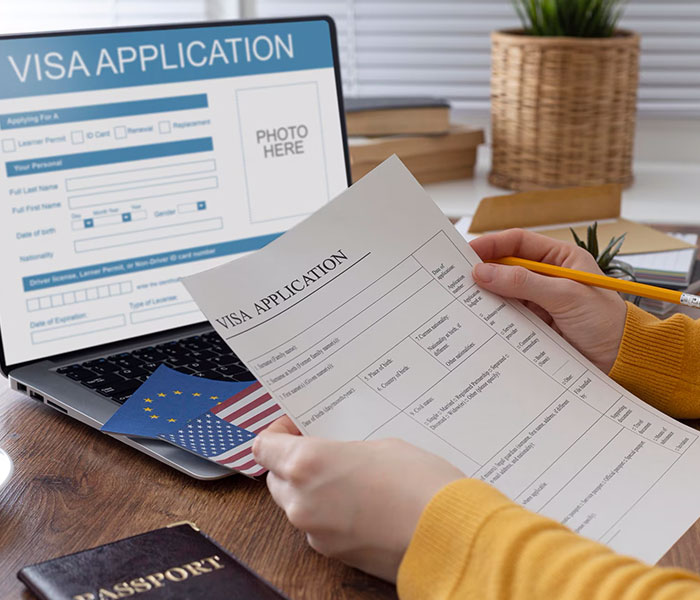
Travellers from India, Bangladesh, and the Maldives benefit from visa-free access to Bhutan. To enter, present a valid passport with a minimum of 6 months validity, or for Indian citizens, a voter ID card is also accepted to receive a complimentary entry permit at the immigration checkpoint.
After approval, your visa clearance document will be sent directly to your email. You will need to show this document to immigration authorities upon arrival in Bhutan. The visa will then be stamped into your passport, with the duration aligned to your approved travel itinerary.
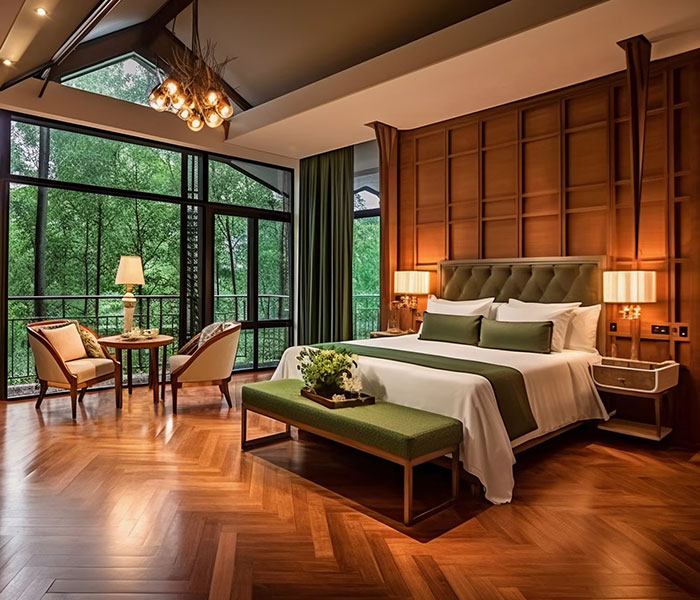
- Hotels: Stay in premium 3-star to 5-star hotels, Amenities include free Wi-Fi, television access, and room service. Please note that additional charges may apply for luxury hotel upgrades.
- Farm Stays: Experience authentic Bhutanese village life through locally operated farmhouses. These welcoming stays allow guests to explore traditional farming lifestyles while enjoying homemade meals and genuine Bhutanese hospitality.
- Camping: Ideal for extended trekking and hiking adventures, camping arrangements are designed to provide comfort even in remote locations. Your guide and support crew will manage all essentials, including meal preparation and transport logistics with the assistance of packhorses.
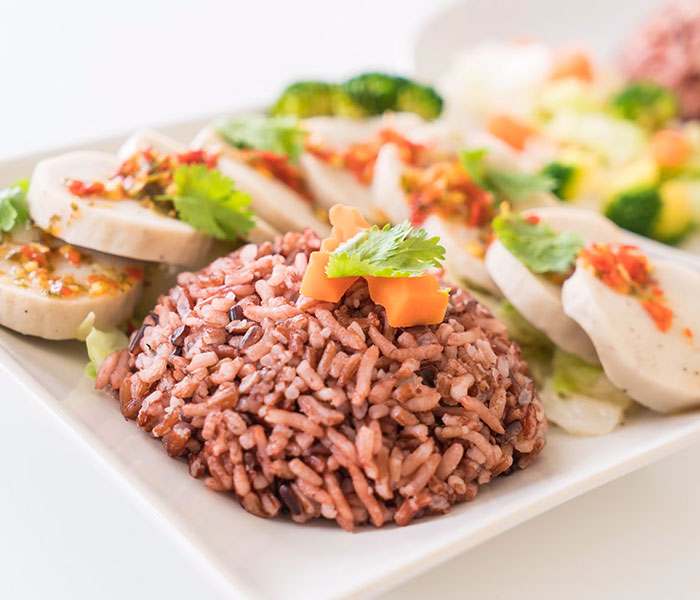
Among Bhutan’s well-loved dishes, Ema Datshi, the national favourite, combines spicy chilies with rich melted cheese. Kewa Datshi blends potatoes and cheese into a comforting, creamy dish, while Shamu Datshi features tender mushrooms cooked in a flavourful cheese-based sauce.
Be sure to also try Bhutan’s staple local rice, often served alongside Dhal, a hearty lentil preparation enjoyed across the country.
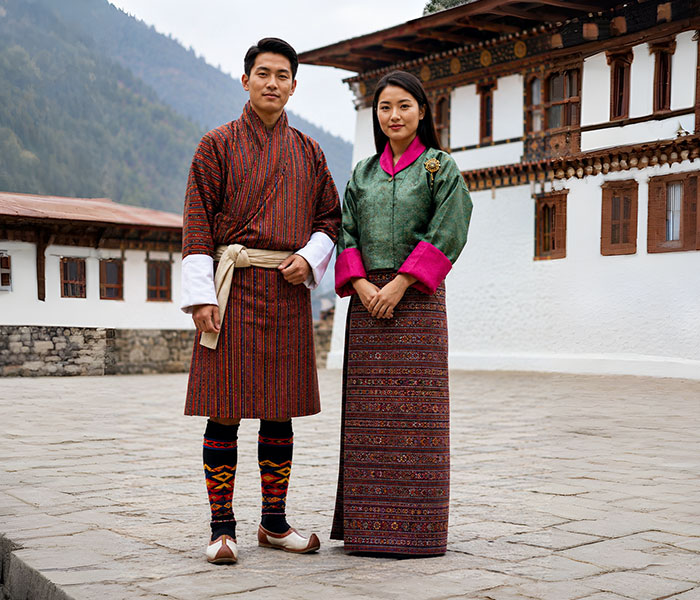
- While travelling through towns and local areas, comfortable clothing is generally acceptable. When visiting Dzongs, monasteries, or temples, modest attire is strongly encouraged.
- Both men and women are advised to wear long trousers or full-length bottoms along with collared tops or shirts with sleeves. Clothing should cover the shoulders and legs.
- Hats and footwear should be removed before entering religious or sacred places, as keeping them on may be viewed as disrespectful. Carrying a jacket is recommended for colder regions or higher elevations.
Communications
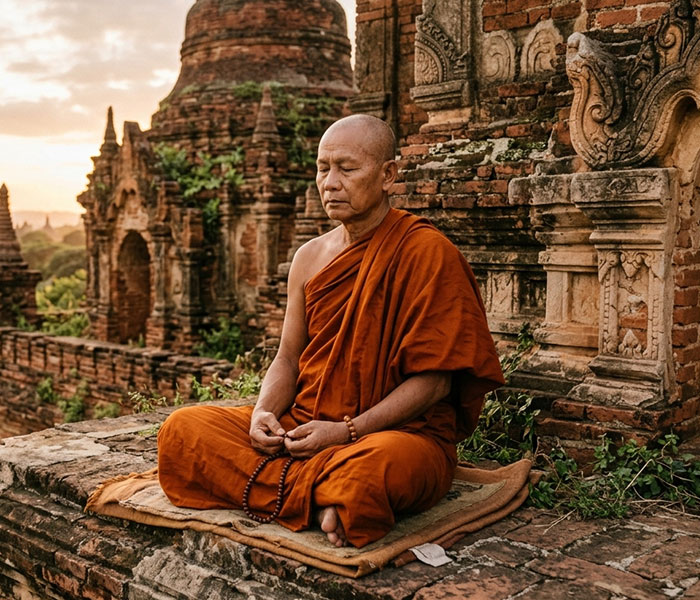
Bhutan has a reliable telecommunications system, with Wi-Fi commonly available in many hotels, cafés, and tourist accommodations. International roaming may work depending on your provider, though purchasing a local SIM card in Thimphu or Paro is often the most affordable and practical option for staying connected throughout your journey.
Currency
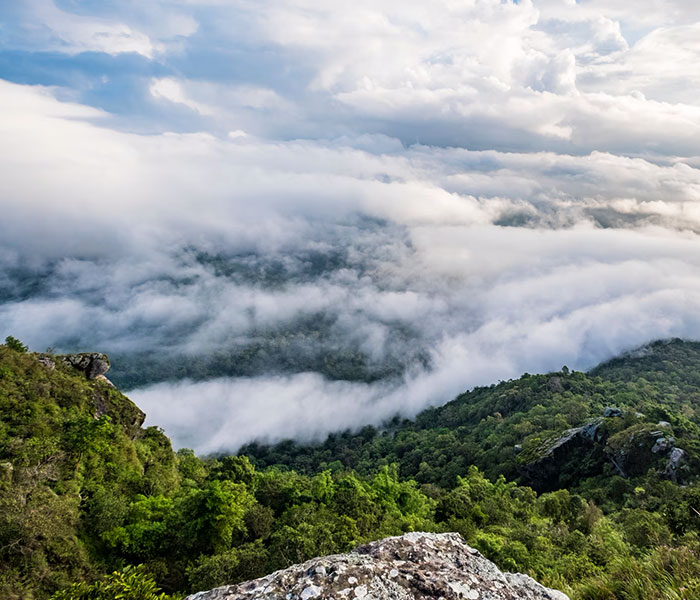
The official currency of Bhutan is the Ngultrum (Nu.), although Indian Rupees are commonly accepted in many areas. Travellers may find it convenient to carry US Dollars, which can be exchanged for Ngultrum after arrival. ATMs are available in larger towns and generally support Visa and Mastercard. While some premium hotels and handicraft shops accept card payments, carrying cash remains useful for everyday expenses.
Transportation
Visitors can access a variety of comfortable transport options suited to different group sizes and travel preferences. Choices include Toyota Coaster buses for larger groups, Hiace vans, Tucson SUVs, and Land Cruisers. Professional licensed drivers, together with experienced guides, support travellers throughout their journey from arrival to departure for a smooth and enjoyable experience.
Language
The official language of Bhutan is Dzongkha, which is spoken across the country. However, travellers need not worry about communication barriers, as English is commonly used and widely understood in everyday interactions. Many shopkeepers, hotel staff, guides, and taxi drivers can communicate comfortably in conversational English, making it easier for visitors to navigate and enjoy their experience in Bhutan.
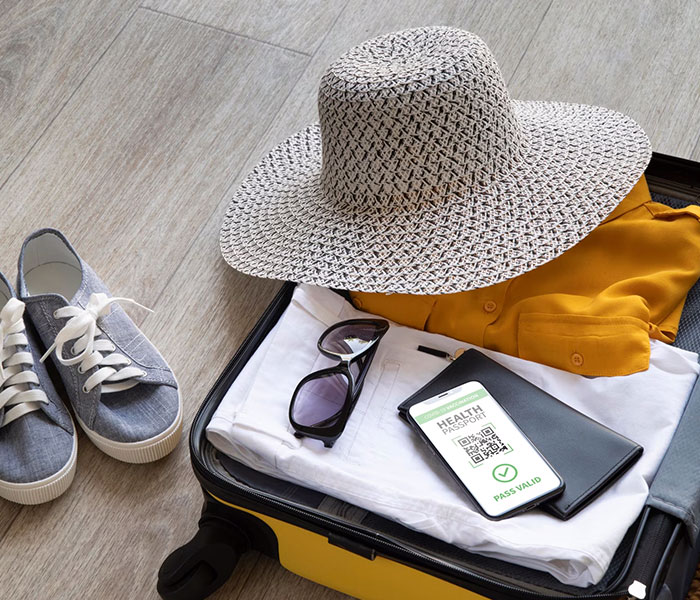
- Protect Your Valuables: Keep important items such as your passport, wallet, camera, and personal belongings secure while travelling or exploring attractions. Avoid leaving valuables unattended, particularly inside vehicles.
- Choose Safe Drinking Water: It is advisable to drink bottled water, as tap water may not always be treated for direct consumption. Bottled water is widely available and generally inexpensive throughout the country.
- Follow Local Regulations: Bhutan maintains strict laws regarding tobacco and prohibited substances. Be mindful of local rules, cooperate with official checks when required, and ensure you do not exceed permitted tobacco allowances.